Blog

  • Indochina Entry Rules 2026 for Indian Travel Trade

    Indochina Entry Rules 2026 for Indian Travel Trade

    Indochina Entry Rules 2026: A Quick Guide for Indian Travel Trade Partners

    Vietnam, Cambodia, and Laos are all fully open in 2026, and combined Indochina itineraries are one of the fastest growing segments out of India this year. But the entry rules across the three countries have changed significantly since COVID, and many agents are still working off outdated information.

    This is a quick reference for your sales desk. One table, three countries, all the current visa and arrival card requirements as of June 2026.

    The Side-by-Side Comparison

    Item Vietnam Cambodia Laos
    Visa required for Indians Yes Yes Yes
    Official e-visa portal evisa.gov.vn evisa.gov.kh laoevisa.gov.la
    E-visa cost (single entry) USD 25 USD 36 USD 50
    E-visa cost (multiple entry) USD 50 Not available Not available
    E-visa processing time 3 to 5 working days 3 business days 3 working days
    E-visa stay duration Up to 90 days Up to 30 days Up to 30 days
    Visa on Arrival Airport only, approval letter needed Airport + land borders, USD 30 cash Airport + land borders, USD 35 to 50 cash
    Passport validity 6 months + 2 blank pages 6 months + 2 blank pages 6 months + 2 blank pages
    Digital arrival card Yes Yes Yes
    Card name Digital Arrival Card e-Arrival Card (CeA) Lao Digital Immigration Form (LDIF)
    Card portal prearrival.immigration.gov.vn arrival.gov.kh Official Lao immigration site
    Card mandatory since April 15, 2026 (SGN); June 2026 (HAN) September 1, 2024 September 1, 2025
    Submission window Within 72 hours before arrival Within 7 days before arrival 2 to 3 days before arrival
    Card cost Free Free Free
    Special exemption Phu Quoc 30 days (strict conditions) None None
    Additional requirement Health Declaration from July 1, 2026 Combined into e-Arrival Card None

    Country-by-Country Snapshot

    Vietnam. The most popular Indochina destination for Indian travelers. The 90-day e-visa at USD 25 is the default for almost any leisure or business client. The Digital Arrival Card is now mandatory at Tan Son Nhat (Ho Chi Minh City) and Noi Bai (Hanoi), with Da Nang next in line. From July 1, 2026, a separate Health Declaration under Decree 165/2026 also applies to all border crossings. The Phu Quoc 30-day visa exemption exists but has caused real problems for Indian travelers who needed to touch the mainland. Default to the e-visa unless your client is doing an island-only beach trip.

    Cambodia. Angkor is still the headline draw, and the new Siem Reap-Angkor International Airport (SAI) makes access easier than ever. The e-visa costs USD 36, processes in 3 days, and is valid for 90 days from issue with a 30-day permitted stay. The e-Arrival Card is mandatory for all air arrivals at Phnom Penh, Siem Reap, and Sihanoukville. It combines what used to be three separate forms (immigration, health, customs) into a single QR code. Land borders still use paper forms.

    Laos. The quiet underrated option in Indochina, and a perfect add-on for Indian clients who already know Vietnam and Cambodia. The e-visa costs USD 35 to 50 for a 30-day single entry. The Lao Digital Immigration Form (LDIF) has been mandatory since September 1, 2025, at Vientiane (Wattay), Luang Prabang, Pakse airports, and the First Lao-Thai Friendship Bridge. VOA remains available but is slower at land borders.

    For Your Sales Desk: Four Operational Rules

    1. Default to e-visas for Indian clients on all three countries. The total visa cost for a full Indochina trip is under USD 110 per person, all processed online within a week.
    2. Brief every client on the relevant arrival card. Three countries means three forms and three QR codes. The cards are separate from the visa and apply even to visa-exempt or transit travelers.
    3. Use only the official portals. Copycat websites charge USD 20 to 50 for what are free government forms. Add the three correct links to every booking confirmation you send.
    4. Plan the entry sequence for combo trips. The most common Indian Indochina itinerary is Vietnam-Cambodia, often with a 3 or 4 day Laos add-on. Each country needs its own visa and arrival card. Each must be applied for separately. There is no joint Indochina visa.

    Why This Matters for Your Margin

    Visa and arrival card hiccups are now the single biggest cause of negative reviews on Indochina trips from India. Not the hotels, not the guides, not the flights. The paperwork. Get this right at the booking stage and you remove almost all the operational risk before the client even boards.

    At Absolute Asia Travel, we handle all three countries from our Hanoi base as a single integrated DMC. Send us your Indochina passenger lists and we will sort the visa routing, arrival cards, and ground logistics before you quote the trip.

  • Vietnam Family Travel 2026: What Indian Travel Agents Need to Know

    Vietnam Family Travel 2026: What Indian Travel Agents Need to Know

    Vietnam is one of the strongest family destinations in Asia right now, and Indian enquiries are growing fast. Good flight connections, honest value, a manageable travel window, and a mix of culture plus beach — it ticks the boxes for most Indian family clients.

    Here’s what you need to know to sell it well.

    Why It Works for Indian Families

    It’s compact. Hanoi to Ho Chi Minh City covers the country’s highlights without any transfer over 2 hours by domestic flight. Families get variety without exhausting themselves.

    Food is more manageable than clients expect. Rice, vegetables, tofu, eggs and noodle soups are on every menu. Most 4-5 star hotels in the tourist cities offer vegetarian breakfast. Jain requirements and strict veg needs are doable with advance briefing — not as an afterthought. Carry a Vietnamese dietary card; your ground operator can provide one.

    The value holds up. Private guiding, luxury cruises and solid 5-star hotels still deliver real quality without the price tags of Europe or Japan. Margins are protectable.

    3-generation groups travel well here. The pace, terrain and hotel infrastructure handle grandparents, parents and kids without much compromise.

    India-Specific Logistics

    Visa: Indian passport holders need an e-visa (USD 25, valid 90 days). Apply at evisa.xuatnhapcanh.gov.vn. It’s straightforward — 3 business days processing — but brief your clients early and don’t leave it to chance.

    Flights: Non-stop options from Mumbai and Delhi (Vietnam Airlines, IndiGo) to Hanoi and Ho Chi Minh City. Bangalore and Kolkata connect via short KL or Bangkok layovers. Total travel time stays under 9 hours from most Indian cities.

    Currency: Vietnamese Dong. 1 INR ≈ 290-300 VND. Prepare clients for large-looking numbers. USD is widely accepted at hotels and restaurants. Advise carrying some USD cash for tips, markets and boat crews.

    When to Sell Vietnam to Indian Clients

    Indian Holiday Window Vietnam Routing Advice
    Diwali (Oct-Nov) Ideal season. Book 3-4 months ahead — inventory fills.
    Christmas / New Year Best season across the country. Premium demand.
    February – April Excellent conditions, good availability.
    May – June (school holidays) Your biggest window — but route carefully. Avoid Ha Long in July-August (rough seas). Focus on Ho Chi Minh City, Mekong, Phu Quoc beach.

    The Standard Family Routing (7-10 Days)

    Hanoi (2 nights):
    Old Quarter exploration, Temple of Literature, good food scene. Relaxed arrival city.

    Ha Long Bay (1 night cruise):
    The trip highlight. Don’t compromise on the vessel — the gap between budget and quality cruises is enormous. Private cabin, 5-star vessel for premium clients.

    Hoi An (2 nights):
    Most photogenic town in Vietnam. Compact, walkable, easy beach access at An Bang. Give families a half-day free here for tailoring and markets.

    Ho Chi Minh City (2 nights):
    Cu Chi Tunnels, Ben Thanh Market, urban energy. One lighter excursion day is enough.

    Add Phu Quoc (3 nights) for clients who want a proper beach stay — 1-hour flight from Ho Chi Minh City, good resort infrastructure, calm waters outside typhoon season.

    Hotel and Rooming — Get This Right

    Rooming mistakes damage trust faster than anything else. Before you quote:

    • Does the hotel guarantee connecting rooms, or just request them? (Big difference.)
    • What is the maximum occupancy by child age?
    • Are extra beds available across all room categories?
    • Does breakfast pricing cover children on extra beds?

    For multi-gen groups of 10+, book a private cruise (not shared), and choose villas or suites rather than standard rooms. The per-person cost is higher; the group experience is incomparably better.

    How to Position Vietnam Against Other Destinations

    vs. Thailand: More authentic, less commercialised, often better value. Thailand is easier for Indian food; Vietnam offers more cultural depth. For first-timers who want “something different,” Vietnam wins.

    vs. Bali: Different product. Bali is a resort destination. Vietnam is an itinerary destination. Families wanting culture plus beach plus city will find Vietnam far richer.

    vs. Singapore: Urban, easy, very safe — but limited in variety. A 2-night Singapore stopover combined with a 7-night Vietnam circuit is a strong upsell.

    Tips for Converting Indian Family Enquiries

    • Lead with Ha Long Bay. Show them a good cabin and a view. Everything else follows.
    • Address food before they ask. It removes a barrier immediately and builds confidence.
    • Be honest about May-June. Adjust the routing, don’t ignore the weather. Clients who trust you refer you.
    • Quote two tiers only — 4-star and 5-star. More options create indecision.
    • Help with the e-visa. Walking clients through it removes a stall point.

    Quick FAQ Answers for Your Clients

    Is it safe for children? Yes — one of the safest countries in Southeast Asia. Main practical note: crossing roads in Hanoi and Ho Chi Minh City is chaotic. Your guide handles it; just warn clients so they’re not startled.

    How much should we budget? 4-star private tour: USD 150-500 per person per day (excluding international flights). 5-star with luxury cruise: USD 600-800 per person per day.

    Is 7 nights enough? It’s the minimum for a 3-city circuit. 10-12 nights gives a pace Indian families usually prefer once they understand the geography.

    Partner With Us

    Absolute Asia Travel is a Hanoi-based, fully licensed operator working exclusively with the travel trade across Vietnam, Cambodia, Laos, Thailand and Myanmar. We don’t sell directly to travellers.

    For India-origin enquiries, we offer nett B2B rates, India-briefed guides, and fast turnaround on custom itineraries.

    Contact: sales@absoluteasiatravel.com | www.absoluteasiatravel.com

  • Phu Quoc for Your Indian Clients: A Travel Agent’s Complete Guide

    Phu Quoc for Your Indian Clients: A Travel Agent’s Complete Guide

    A destination briefing for India travel trade

    If you’re still selling your Indian clients the same Vietnam circuit – Hanoi, Ha Long, Ho Chi Minh City – you’re leaving money on the table. Phu Quoc is the destination that closes deals. It has what Indian travelers actually want: warm water, white sand, good food options, luxury resorts, and family-friendly activities. And it costs a fraction of the Maldives.

    This guide is written for you, the agent. Not the end traveler. By the time you finish reading, you’ll know how to position Phu Quoc, handle the objections, answer the practical questions, and sell it with confidence.

    Why Phu Quoc Works for Indian Travelers

    Before the itinerary, let’s talk about the pitch.

    Indian travelers compare Phu Quoc against three destinations: Maldives, Bali, and Thailand. Here’s how Phu Quoc wins each comparison.

    Versus Maldives: Phu Quoc offers similar beach quality at 40-60% of the cost. You get an actual island to explore, not just a water villa. Families especially appreciate having things to do, not just things to see through the water.

    Versus Bali: Phu Quoc is less crowded, less commercial, and the beaches are genuinely better. Bali’s beaches are often disappointing for first-timers. Phu Quoc’s coastline, particularly Sao Beach, holds up to any comparison.

    Versus Thailand: Vietnam is less saturated in the Indian market. Your client gets to say they went somewhere different. That matters to a certain kind of traveler, and those are usually your better-spending clients.

    The island is also compact. You can see a lot in 4-5 nights without feeling rushed, which suits Indian travelers who prefer a well-paced itinerary over a loose, self-drive trip.

    Getting There from India: What You Need to Know

    Flights

    There are no direct flights from India to Phu Quoc yet. All connections go through a hub. The most common routing:

    • IndiGo, Air India via Hanoi or Ho Chi Minh City – from Delhi, Mumbai, Bengaluru, Kolkata, Hyderabad, Ahmedabad
    • Vietnam Airlines connects well from both Ho Chi Minh City and Hanoi to Phu Quoc (flight time: 1 hour from HCMC, 2 hours from Hanoi)
    • Other regional options: Singapore Airlines via Singapore, Thai Airways via Bangkok, Malaysia Airlines via Kuala Lumpur

    For most Indian cities, total journey time is 7-11 hours depending on the layover. Position this as: comparable to flying to Europe, but with beach weather on arrival.

    Agent tip: If your client is combining Phu Quoc with a Vietnam tour, fly them into Hanoi, do the north (Hanoi + Ha Long), then fly to Phu Quoc at the end as a beach finale. It’s a natural itinerary flow and sells well.

    Visa

    Indian passport holders require a visa for Vietnam. There are two routes:

    1. E-visa – single entry, valid 90 days, applied online at xuatnhapcanh.gov.vn. Processing typically 3-5 business days. This is the easiest option for most clients.
    2. Visa on Arrival (VOA) – requires a pre-approved letter, valid for those flying into international airports. Phu Quoc International Airport qualifies.

    Important: Phu Quoc is a visa-free zone for international arrivals staying on the island only (your Indian customers don’t need a visa to visit Phu Quoc in less than 30 days). However, if your customers would like to combine with mainland destinations, then they will need a visa for Vietnam.

    Agent tip: Always process the e-visa at least 2 weeks before departure. Don’t wait until the last minute with visa-on-arrival letters either – any processing delay and your client is stuck.

    Best Time to Go: Match It to the Indian Calendar

    Phu Quoc’s dry season runs November through April. This aligns perfectly with India’s peak leisure travel windows.

    Indian Holiday Period Phu Quoc Conditions Agent Note
    Christmas/New Year (Dec-Jan) Peak dry season, ideal weather Book 3-4 months ahead for luxury properties
    Pongal/Makar Sankranti (Jan) Excellent – warm and dry Good window for South Indian families
    Holi (March) Still dry season Often overlooked, great value
    Summer Holidays (April-June) April good; May-June gets wet April departures fine; June is rainy
    Diwali (Oct/Nov) November onwards is ideal Perfect timing – weather just turning good

    Avoid May to September for beach-focused trips. The southwest monsoon brings choppy seas and some beach closures. That said, if a client insists on traveling off-season, accommodation rates drop significantly and the island is quieter. Some clients actually prefer that.

    Beaches: Know the Difference Before You Recommend

    Not all beaches in Phu Quoc are the same, and matching the right beach to the right client matters.

    Sao Beach – Your go-to for first-timers

    Located on the southeast coast, Sao Beach is the benchmark. Powdery white sand, clear shallow water, and calm conditions make it ideal for families and anyone who wants postcard-worthy photos. The water is genuinely that blue.

    Sell it as: The Maldives beach your clients can actually walk to, with fresh coconuts and grilled seafood on the side.

    Agent tip: Tour groups tend to arrive between 10am and 2pm. Tell your clients to go early (before 9am) or late afternoon. They’ll practically have it to themselves. The northern end of the beach is quieter.

    Long Beach (Bai Truong) – For active travelers and sunset lovers

    Stretching 20km along the western coast, Long Beach is where most of the resort development sits. The sunset views here are excellent, and there’s no shortage of water activities. This is where your adventure-seeking couples and groups will be happiest.

    Sell it as: The lively hub with the best sunsets in Vietnam.

    Agent tip: Most 4 and 5-star hotels are along this stretch. If your client wants convenience – beach plus restaurants plus easy access to the town – put them here.

    Ong Lang Beach – For clients who want quiet

    A short drive north of the main town, Ong Lang is the low-key alternative. Fewer crowds, a handful of boutique resorts, gentle water. It suits couples who want to genuinely switch off.

    Sell it as: The quiet alternative that feels like you discovered something, without sacrificing comfort.

    Experiences Worth Highlighting to Your Clients

    The World’s Longest Cable Car to Hon Thom Island

    This is a Guinness World Record holder – 8 km of continuous cable car over open ocean. It takes 15 minutes each way, and the views are spectacular. On the island (Hon Thom, also called Pineapple Island), there’s a water park and beach area.

    Why it sells: It photographs incredibly well. Indian travelers love shareable experiences, and this is one of the most visually striking things in all of Southeast Asia. It also works for all ages.

    Island Hopping in the An Thoi Archipelago

    The southern tip of Phu Quoc is surrounded by small islands – Gam Ghi, May Rut, Hon Thom, and others. A full-day boat trip includes snorkeling over coral reefs, a floating lunch on the water, and beach stops.

    Why it sells: It’s the closest thing to a liveaboard snorkeling experience without the commitment or the price. Coral quality here is better than most of Thailand’s more famous spots.

    Agent tip: This is not for June to September departures. The sea can be rough. Confirm conditions with your operator before booking.

    Sunset Squid Fishing

    This sounds gimmicky. It isn’t. You go out as the sun sets, join local fishermen using bright lights to attract squid, and can have your catch cooked onboard. It’s a legitimate cultural experience, not just a tourist activity.

    Why it sells: It’s memorable, different, and genuinely fun for families. Kids especially love it.

    Pepper Farm and Fish Sauce Factory Tours

    Phu Quoc produces two things it’s famous for nationally: black pepper and fish sauce. The pepper farms are fragrant and photogenic. The fish sauce factories are fascinating in an unexpected way – the scale of production is impressive, and the fermentation process is genuinely interesting to watch.

    Why it sells: These add depth to a beach holiday. Clients who’ve “done beaches before” respond well to experiential add-ons like this. It gives the trip a story.

    Note for Indian clients: Fish sauce is a core ingredient in Vietnamese cooking. Clients with strict vegetarian requirements should be made aware that many Vietnamese dishes contain fish sauce even when described as “vegetarian.” Manage this expectation upfront.

    Phu Quoc National Park

    Covering nearly half the island, the national park has trekking trails, waterfall walks, and good birdwatching. Mount Chua is the highest point and rewards hikers with panoramic views.

    Agent tip: This suits nature-oriented clients. For the average beach-focused Indian family, it’s a half-day add-on, not the main draw. Frame it accordingly – don’t oversell it.

    Food: Setting Honest Expectations for Indian Travelers

    This is the conversation that makes or breaks the trip for many Indian clients. Be direct about what they’ll find.

    The good news: Phu Quoc has outstanding seafood. Freshly caught crab, prawns, squid, lobster, and fish cooked simply with salt and pepper or lemon – this is some of the best and most affordable seafood in Southeast Asia.

    The honest news: Indian food options are limited. There are a handful of Indian restaurants in Duong Dong town, but don’t promise a curry that rivals what they get at home. The island is not Bangkok or Bali, which both have strong Indian restaurant scenes.

    What to tell vegetarian clients: Strict vegetarian (no fish, no egg) travel in Phu Quoc requires planning. Vietnamese cuisine is heavily fish-sauce-based. Some Indian restaurants cater to this. Luxury hotels can arrange vegetarian options with advance notice. This is manageable, but it needs to be communicated clearly before the trip, not discovered on arrival.

    Local dishes worth recommending:

    • Herring salad (goi ca trich): Fresh, tangy, served with rice crackers. Most clients enjoy it.
    • Phu Quoc pepper crab: The island’s signature dish – fresh crab cooked with local black pepper. Excellent.
    • Bun quay (pulled noodles): A Phu Quoc specialty, cooked to order at the table. Worth trying.
    • Dinh Cau Night Market: Tell clients to visit here on their first or second evening. Street seafood, local snacks, cold beer, and a lively atmosphere. It’s an easy introduction to local food culture.

    Agent tip: Book your clients into hotels with good in-house restaurants as a safety net. This matters more in Phu Quoc than in, say, Ho Chi Minh City, where dining options are extensive.

    Accommodation: Tiers to Know

    Phu Quoc has one of the strongest luxury resort lineups in Vietnam. The island developed quickly, which means most properties are relatively new and in good condition.

    Ultra-luxury (position against Maldives):

    • Regent Phu Quoc
    • JW Marriott Phu Quoc Emerald Bay
    • InterContinental Phu Quoc Long Beach Resort
    • Premier Village Phu Quoc Resort (over-water villas available)

    These properties have excellent pools, private beach areas, and multiple restaurants. They’re comparable to 5-star Maldives resorts in service quality, at a fraction of the per-night rate.

    Upper-midscale (good for families and groups):

    • Salinda Resort
    • Vinpearl properties (large, consistent, family-oriented)
    • New World Resort

    Boutique (good for couples, repeat travelers, nature lovers):

    • Mango Bay Resort (Ong Lang Beach)
    • Cassia Cottage
    • Green Bay Phu Quoc Resort
    • Various small properties along Ong Lang and Long Beach

    Agent tip: The Phu Quoc United Center (Vin group development) on the north of the island has VinWonders theme park, Vinpearl Safari, and a cluster of hotels. If you have families with young children, this area makes logistical sense – everything is close together.

    Cultural Sites: Add Depth Without Overpromising

    Ho Quoc Pagoda

    A Buddhist pagoda set dramatically between the sea and hills. The architecture is striking, and the views from the top are good. This is a 1-2 hour visit maximum. Indian clients, particularly Hindus, often feel comfortable in Buddhist temples – the devotional atmosphere is familiar.

    Sell it as: A peaceful morning stop with great photography and mountain views.

    Phu Quoc Prison (Coconut Tree Prison)

    A historical site from the Indochina War era. Reconstructed displays of how prisoners were held and treated. It’s sobering and informative.

    Sell it for: Historically curious clients. Skip it for pure leisure travelers who aren’t interested in war history.

    How to Build the Itinerary

    Classic 3 Nights / 4 Days (stay at Vinpearl area – North Island)

    Day 1: Arrival, check-in, evening Grand World
    Day 2: Full Day Visit VinSafari and VinWonder
    Day 3: Full-day island hopping and snorkeling at An Thoi, Cable car to Hon Thom
    Day 4: Departure

    Classic 4 Nights / 5 Days (stay in Duong Dong town)

    Day 1: Arrival, check-in, evening at Dinh Cau Night Market
    Day 2: Sao Beach morning, pepper farm and fish sauce factory afternoon
    Day 3: Full Day Visit VinSafari and VinWonder, Grand World
    Day 4: Full-day island hopping and snorkeling at An Thoi, Cable car to Hon Thom
    Day 5: Departure

    This is a clean, well-paced itinerary that leaves room to breathe. Don’t overload it.

    Extended 6 Nights / 7 Days (with north/south balance)

    Add: Half-day at Phu Quoc National Park, cooking class, and a full resort day for families who want to simply relax.

    Quick Objection Handler

    “We’ve already done Vietnam.”
    Phu Quoc is its own thing. It barely feels like mainland Vietnam. Think of it as Vietnam’s answer to a private island resort. Different audience, different experience.

    “Is the food okay for vegetarians?”
    Manageable with planning. Luxury hotels handle it well. There are Indian restaurant options in town. Flag it with your hotel at booking.

    “Is it safe for families?”
    Very. The island is calm, roads are not heavily trafficked (outside the main town), beaches are gentle, and the resorts are well-equipped for families.

    “How does it compare to Bali?”
    Beaches are better. Less commercialized. Fewer tourists. It’s newer as a destination, which some clients see as a positive.

    “Is it worth it for just 4 nights?”
    Yes. The island is compact. 4-5 nights is actually the right duration. More than 6 and clients run out of things to do.

    Practical Details

    • Currency: Vietnamese Dong (VND). USD accepted at many tourist-facing businesses. Card payments work at hotels and major restaurants. ATMs available in Duong Dong.
    • Language: Basic English spoken at hotels and tourist businesses. Less so at local markets – pointing and numbers on a phone works fine.
    • Getting around: Taxis (metered, reliable) and Grab (ride-hailing app) are the practical options. Hotel transfers are easiest. Motorbike rental is available but not recommended unless your client is an experienced rider.
    • Power: Vietnam uses 220V/50Hz. Type A, B, and C sockets. Indian clients with round-pin plugs (Type C/D) generally work fine. Worth mentioning anyway.
    • Health: Standard travel health precautions apply. Mosquito repellent is important, especially for jungle and waterfall visits. Advise clients to pack it.

    The Summary

    Phu Quoc is a legitimate luxury beach destination with the infrastructure to back it up. It’s not undiscovered – but it’s also not overrun. The price-to-quality ratio is still strong compared to Maldives, and the activity options are far superior.

    For Indian agents, this is a destination that’s easy to sell because the value proposition is clear. Your honeymoon couples want the beach and the romance. Your families want the theme parks and the water activities. Your luxury clients want the five-star resorts at prices that feel almost unreasonable by comparison.

    Learn the destination. Know the seasons. Set honest food expectations. And you’ll have clients coming back to book it again.


    This guide is prepared by Absolute Asia Travel – a fully bonded, licensed travel company based in Hanoi, Vietnam, specializing in high-quality private tours across Vietnam & Indochina.

    For trade inquiries, itinerary support, or group pricing, contact: sales@absoluteasiatravel.com | www.absoluteasiatravel.com

  • What to Look for in a Local DMC in Vietnam

    What to Look for in a Local DMC in Vietnam

    What to Look for in a Local DMC in Vietnam: A Guide for India’s Travel Trade

    If you sell Vietnam and the rest of Southeast Asia to your clients, your ground partner does most of the work you never see. Your client feels it every day of the trip. Pick the right DMC and you look good. Pick the wrong one and you lose the client.

    So how do you choose? Here is what matters.

    1. A real local team, not a reseller

    You want people on the ground in Vietnam. They know the visa rules, the weather by region, the road conditions, the festival dates, and which permits take time. They book direct with hotels and guides, so you are not paying an extra layer. When a road floods in central Vietnam or a flight gets cancelled, a local team fixes it in hours, not days.

    2. Real understanding of the Indian traveler

    This is the part many DMCs get wrong. Your clients are not generic tourists. Some want pure vegetarian or Jain meals, every day, without a fuss. Families travel three generations together. Honeymoon couples want privacy and a few special touches. MICE and incentive groups need tight logistics and a backup plan for everything. A DMC that already serves the India market plans for all of this from the start.

    3. Fast, clear answers

    You work on deadlines. You need quotes and itineraries back quickly, in clear English, with no guessing about what is included. Slow replies cost you bookings. A good partner treats your enquiry like it matters, because it does.

    4. Honest pricing and fair trade terms

    You should always know what you are paying for and what margin you keep. No hidden costs. No surprises on the final invoice. Clear net rates, sensible payment terms, and a partner who protects your client relationship instead of going around you.

    5. Someone who picks up when things go wrong

    Trips do not always run to plan. A guest falls sick. A flight shifts. A family wants to change the route halfway through. What you want is one team you can reach, day or night, who solves it without drama.

    6. One point of contact who knows your account

    You should not have to explain your business every time you write. A dedicated contact remembers your clients, your style, and your past files. Over time this saves you hours on every booking.

    7. One partner for the whole region

    Many Indian itineraries combine countries. Vietnam with Cambodia or with Laos. One DMC that handles all five countries means one contract, one invoice, and one team to call.

    Why partners choose Absolute Asia Travel

    We are based in Hanoi, fully licensed and bonded, and we have spent years building private tours for high-end travelers from around the world. Here is what we offer our India trade partners.

    1. Three countries, one team. We handle Vietnam, Cambodia and Laos.
    2. Private, tailor-made trips only. No fixed departures, no catalogue. Every itinerary is built around your client.
    3. An India desk that knows your market. We plan for vegetarian and Jain dining, multi-generation families, honeymooners, and MICE groups.
    4. Local guides and direct hotel relationships, so quality stays high and the price stays fair.
    5. Quick, clear proposals in English, and a contact who stays with your account.
    6. Dedicated support team in India

    When you find a partner who works this way, you stop worrying about the ground and start growing your Vietnam sales.

    Let us talk. Email us at sales@absoluteasiatravel.com or visit www.absoluteasiatravel.com.
  • Egg coffee in Hanoi – an unforgettable experience

    Egg coffee in Hanoi – an unforgettable experience

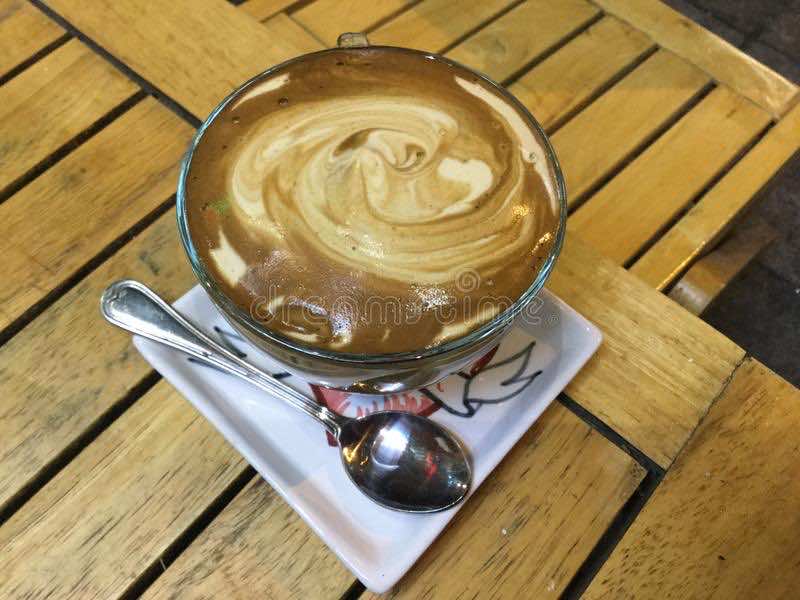
    At first, these two flavors seem really unrelated. However, if you once try this special coffee, their harmonious combination can blow your mind away: not too sweet, not too bitter, the creamy taste of egg foam combined with the passionate aroma of condensed coffee. If you go to Hanoi without trying this exclusive drink, you are deemed having not been there.

    Egg coffee, which is a longstanding creative drink of people in Hanoi, has become globally famous thanks to the special ardour of the tourists for this drink. One has said that he will always remember the unique taste of the extremely hot egg coffee contained in a simple ceramic mug; and every time when someone mentioned Hanoi, he will immediately associate the place with this drink.

    egg coffee5

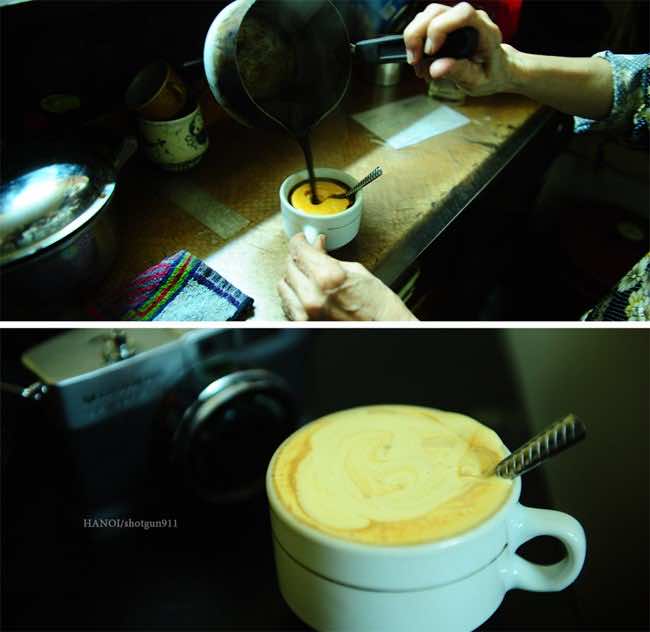
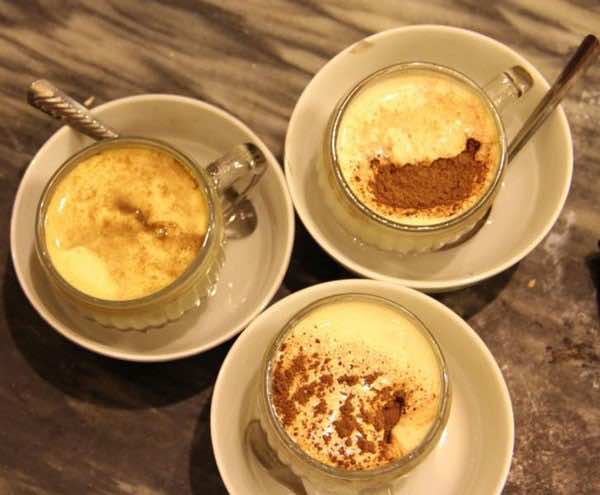
    The recipe for a cup of egg coffee is rather simple. First, fresh chicken eggs are a must in order to avoid the fishy smell. The second ingredient – coffee should be the premium coffee of Vietnam with condensed liquid and strong passionate aroma. Then extract the egg yolks (the whites are removed) and whip by hand or using an electric mixer until you can smell the aroma like cakes. Finally, pour hot coffee into the cup, egg foam will gradually float onto the top. That is how your egg coffee is prepared.

    egg coffee 1

    The method is actually not very complicated, however, you need to be extremely delicate and meticulous to have a good cup of egg coffee. Maybe this is the reason why in Hanoi there is only a limited number of favorable café of this drink. In fact, this recipe is by no means special or requires any secret technique, however, the sophisticated ingredients are a real challenge. The trick lies in the balanced ratio between egg, coffee and milk so that their combined taste is harmonious, not too sweet or bitter, creamy of foam (without any fishy smell) and passionate of coffee.

    egg coffee 3

    The creamy taste of egg foam mingled with the strong aroma of coffee delivers the unique flavor of this drink. Your coffee is served hot and you are recommended to drink it as soon as possible before it becomes fishy and unpleasant. Later, the recipe is added with a little amount of cacao powder as a topping. This new recipe is not only tastier but also makes the coffee appearance more attractive.

    egg coffee

    Like many other traditional dishes of Vietnam, people enjoy egg coffee slowly and leisurely. They slowly stir the floating soft foam on the top and then sip that creamy taste spoon by spoon, slowly feel the strong flavor in their mouth. The cup used as containers is usually small types that are fit in the hands. The amount is just enough for you to enjoy but makes you crave for another one.

    egg coffee4

    Though it is simply a cup of coffee made from egg, milk and black coffee, it still remains as a strange attraction for those who have tried. Egg coffee is particularly a must for those who cannot bear the bitterness of filter coffee but still want to enjoy the legendary taste of Vietnamese coffee. The sweet and creamy flavor of egg foam will reduce the ‘unpleasant’ taste of bitter coffee but still remain its strong passionate aroma.

    More from Absolute Travel

  • Cambodia E-visa: All You Need to Know

    Cambodia E-visa: All You Need to Know

    Cambodia E-visa: All You Need to Know 

    Cambodia is a sizable nation, sandwiched between Vietnam, Laos, and Thailand. Each year, there is a substantial rise in the number of tourist arrivals, with more than 62 lakh arrivals during recent years. Consisting of historical buildings and temples such as the majestic Angkor Wat, refreshing lakes such as the Tonle Sap and other exotic natural wonders, one can easily plan a trip to Cambodia. Thanks to Cambodia E-visa, today, the majority of the planet can visit this ever wondrous destination. There is a multitude of things to do in Cambodia. It is an off-beat escape from the commotion of mainstream Thailand, Malaysia, and Vietnam.

    Fun Fact: Cambodian flag is the flag on the planet that features a building.

    Today, we recommend travellers, especially those seeking pure luxury to visit this place, experience the warm hospitality and enjoy the scrumptious cuisine. This article will help you to get acquainted with the e-visa for Cambodia.

    Cambodia E-visa and its requirements

    One can travel to the country of Cambodia by completing all the necessary documentation online. The e-visa as the name suggests: lays provisions for completing all the necessary documentation online, making it much easier for tourists to visit Cambodia, saving them from the hassles of long queues at the embassy.

    Which countries are eligible for the e-visa?

    The e-visa program is very inclusive where people of almost all nationalities are eligible. There are a few exceptions which include tourists of the nationalities of Afghanistan, Algeria, Arab Saudi, Bangladesh, Iran, Iraq, Pakistan, Sri Lanka, Sudan, Nigeria.

    How to apply for Cambodia e-visa?

    Users have reported that the process for obtaining a Cambodian e-visa is fairly simple and it takes merely 15 minutes to complete the application. The first and only step involves filling an online visa application form here. Please note that this is the official website under the Government of Cambodia, hence you can apply here unhesitantly.

    Cambodia E-Visa Application Official Government Website

    Should you wish to fill the Cambodia visa application form on your smartphone, there are provisions for a mobile application that you can access. If you are an android user, then please click here.  For Apple/IOS users, here is the link.

    Cambodia E-Visa mobile application for IOS users

    Entry and exit points

    You must have a clear itinerary before you head online to fill the application form. Your itinerary must include the Port of Entry and the Port of Exit. With a Cambodian e-visa, a tourist can ONLY enter through the following entry points:

    1. Airports: Phnom Penh, Siem Reap, and Sihanoukville Airport
    2. Thai border Crossings: Cham Yeam (Koh Kong) and Poi Pet (nearest to Bangkok)
    3. Vietnamese border crossing: Bavet (Moc Bai): Situated between Phnom Penh and Saigon
    4. Laos border crossing: Tropaeng Kreal Border Post (Access from Vientiane)

    However, tourists have also reported that the most convenient access points are the International Airports of Phnom Penh and Siem Reap.

    How much does it cost?

    The Cambodian e-visa costs $37. This is 7$ higher than the cost of a regular visa. But, for the convenience, it is always worth shelling those extra 7$. Payment must be made during the application process. All major credit/debit cards are accepted. Please note that this payment portal is completely safe and secured since it is managed by the government.

    How long does it take to process the e-visa
    Usually, applications take 24 hours to be completely processed. However, during peak season, it might take up to 3 days too. But, we advise you to apply for the e-visa well in advance, (10-15 days) as an additional precaution.


    Applications filled more than 3 months prior to your expected departure date are not processed. So, hold your horses and wait for the right time.

    Validity
    Please note that Cambodian e-visa is specially designed for short term travelers. It is a single entry permit and is deemed invalid after your first entry. This e-visa is valid for a period of 30 days and is functional for 90 days from the date of issue.  If you are a business traveler who plans on making frequent trips, please note that the Cambodia e-visa is not ideal for you since it is strictly a single entry permit. You need to formally apply for a business visa at the nearest embassy. 

    If you are not eligible for the e-visa then what must be your call of action?

    If you hold the passport of Afghanistan, Algeria, Arab Saudi, Bangladesh, Iran, Iraq, Pakistan, Sri Lanka, Sudan, Nigeria, then you cannot apply for the e-visa. But, do not lose your hopes, this does not mean that you have been forbidden from visiting the country. In order to procure a visa, you must apply at the nearest Cambodian Embassy. There are certain documents required such as:

    1. Passport and passport-sized photographs
    2. Cover letter stating the purpose and intent of your visit
    3. Sufficient funds and bank statements/income tax statements
    4. Other documents as stated on the official website.

    Cambodia is a beautiful place with, worthwhile to spend a few days admiring the historical heritage sites. To make your trip more enriching, there is an array of luxury hotels in both Siem Reap and Pnom Penh. Some leading hotel chains include Anantara, Park Hyatt, Hilton Resorts, Holiday Inn and Zannier Hotels.

    We can help you book top-notch trip packages for Cambodia, curated and personalized with respect to your needs. We recommend you to contact us with your requirements here.

    We wish you good luck with your application and sincerely hope that your trip to Cambodia is once in a lifetime.

  • Laos – Money & Local Currency

    Laos – Money & Local Currency

    Money

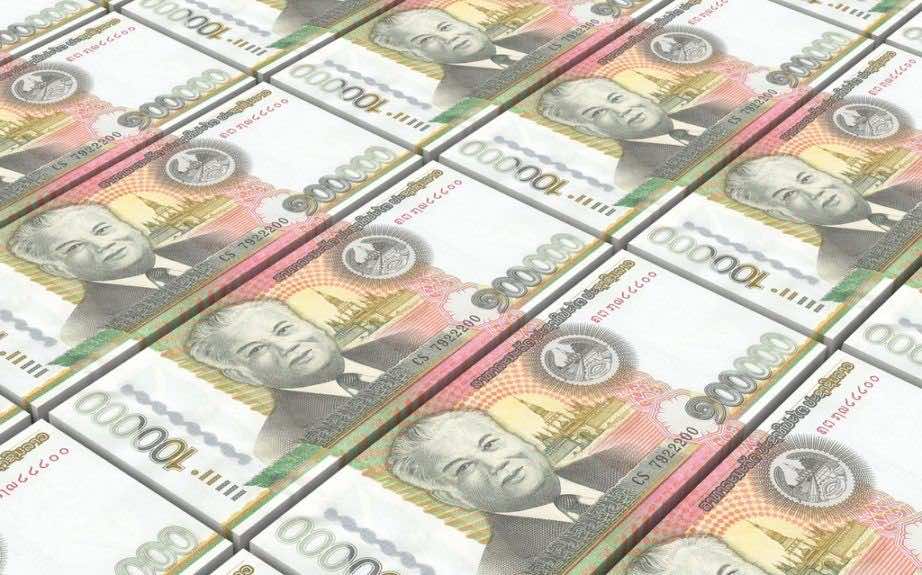
    The official national currency in Laos is the Lao kip (LAK). Although only kip is legally negotiable in everyday transactions, in reality three currencies are used for commerce: kip, Thai baht (B) and US dollars (US$). In larger cities and towns, baht and US dollars are readily acceptable at most businesses, including hotels, restaurants and shops.

    laos money

    In smaller towns and villages, kip is usually preferred. The rule of thumb is that for every day small purchases, prices are quoted in kip. More expensive goods and services (eg long-distance boat hire) may be quoted in baht or dollars, while anything costing US$100 or more (eg tours, long-term car hire) is quoted in US dollars.

    Despite experiencing relative stability in recent years, the kip cannot yet call itself a stable currency. As such, prices in this guidebook are given in the US dollar equivalent.

    The Lao kip is not convertible to any currency outside of the Lao PDR. Because of this, the only reliable sources of foreign exchange information are those inside the country.

    Cash

    Laos relies heavily on the Thai baht and the US dollar for the domestic cash economy. An estimated one-third of all cash circulating in Vientiane, in fact, bears the portrait of the Thai king, while another third celebrates US presidents.

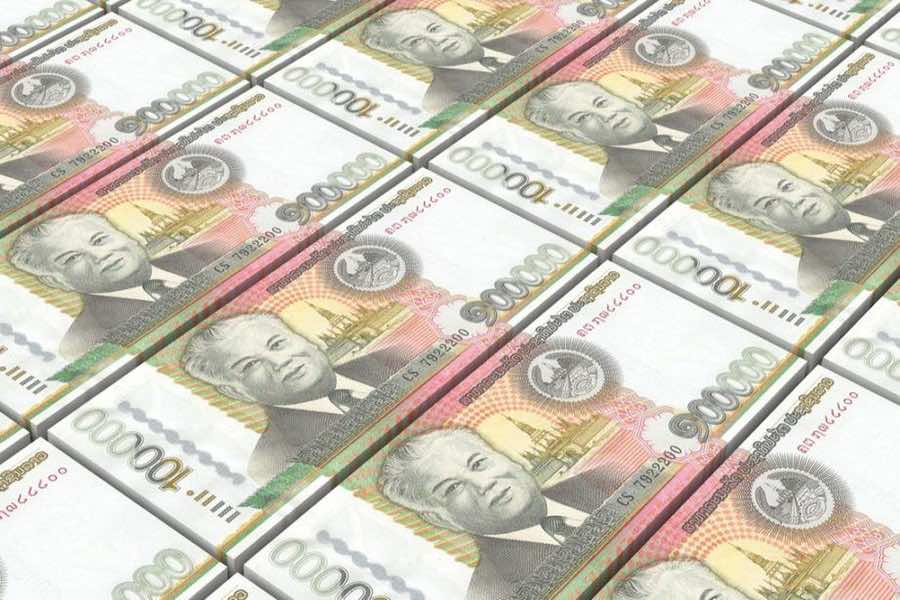
    However, the vast majority of transactions will be carried out in kip, so it’s always worth having a wad in your pocket. Kip notes come in denominations of 500, 1000, 2000, 5000, 10, 000, 20, 000 and the recently printed 50, 000 kip. Small vendors, especially in rural areas, will struggle to change the 20, 000 kip and 50, 000 kip notes – some we met had never even seen a 50, 000 kip note. Also, both of these larger notes are red, so watch you don’t go handing out 50, 000 kip notes thinking they’re 20, 000 kip.

    For larger transactions the dollar and the baht are favoured. They also make carrying money less of a hassle; five 1000 baht notes –about US$135 worth – are quite a bit easier to carry than 135 10, 000-kip notes. If you plan on making frequent transactions of over US$20, you can save luggage space by carrying most of your cash in baht and/or dollars, along with smaller amounts of kip.

    Once you leave Laos no-one – except perhaps other travellers on their way into Laos – will want your kip, so spend it before you go.
    Credit cards

    A growing number of hotels, upmarket restaurants and gift shops in Vientiane and Luang Prabang accept Visa and MasterCard, and to a much lesser extent Amex and JCB. Outside of these three towns, credit cards are virtually useless.

    ATMs

    Travellers on their last kip have been giving thanks that ATMs have made a tentative landing in Laos. But before you get overexcited, the ATMs are only in Vientiane and dispense a maximum of 700,000 kip (about US$70) a time, with each withdrawal incurring a US$2 fee from BCEL. If, like most of us, you also have to pay extortionate charges to your home bank on each overseas withdrawal, that doesn’t work out so well. So taking your plastic into the bank itself might still work out cheaper; see right.

    At the time of research ATMs dispensed cash – in Lao kip – to Visa and MasterCard accounts only, despite stickers promising access to Cirrus and Plus accounts. This might change, but don’t count on it. We met one traveller who had to go to Thailand to access his cash – an expensive diversion when you consider he needed to get a new visa to come back.

    Exchanging money

    After years of volatility the kip has in recent times remained fairly stable at about 10, 000 to the US dollar. Don’t, however, count on this remaining the same.

    Exchange rates are usually virtually the same whether you’re changing at a bank or a moneychanger. Both are also likely to offer a marginally better rate for larger bills (US$50 and US$100) than smaller bills (US$20 and less). Banks also tend to offer better rates for travellers cheques, though the whole process of exchange is much more protracted. Banks in Vientiane and Luang Prabang can change UK pounds, Euros, Canadian, US and Australian dollars, Thai baht and Japanese yen. Elsewhere most provincial banks change only US dollars or baht, though you might get lucky.

    The best overall exchange rates are those offered at the BCEL. Lao Development Bank has similar rates.

    Licensed moneychangers maintain booths around Vientiane (including at Talat Sao) and at some border crossings. Their rates are similar to the banks and they stay open longer.

    It can sometimes be difficult to change travellers cheques because the bank won’t have enough kip, especially in more remote provinces, so check that the bank can cover your cheques before you sign. Hence organising your stash of cash before you leave a big town is highly recommended. If you plan on carrying US dollars or baht, stock up before you arrive in Laos. If you want to buy these currencies in Laos head to a market in a larger town or city, ask around for a money changer and don’t expect great rates.

    Exchange rates at upcountry banks tend to be slightly lower than what you’d get in Vientiane, despite the fact that the national bank mandates a single daily rate for all government banks.

  • All Passport and Visa Requirements When Traveling to Laos

    All Passport and Visa Requirements When Traveling to Laos

    All visitors entering Laos must possess valid passports. Visas can be obtained from Lao Embassies and Consulates abroad. In addition, visas can also be obtained on arrival at the international checkpoint.

    Visas can be secured in advance of arrival at Lao Embassies. This can be done in several ways through a tour company recognized by the Lao PDR, from Lao Embassies or Consulate in countries.

    For those wishing to extend their stay, it is possible to extend your visa at the Immigration Office in Vientiane, through travel agencies. It is also possible to obtain a Visa-on-Arrival at international checkpoints.

    Validity starts from day of entry into Laos. Tourist/Business: 30 days (can be extended twice in Vientiane for 30 days). Visas must be used within three months of being issued.

    Passport/Visa Note:

    Those requiring visas should obtain them in their home country before travelling to Laos. Visas are available on arrival at international checkpoints. On entering Laos visitors must ensure they receive an entry stamp in their passport as fines for not having one are high. All visitors’ passports should be valid for at least six months.

    INTERNATIONAL CHECKPOINTS

    INTERNATIONAL AIRPORT

    • Wattay International Airport in Vientiane Capital.
    • Luang Prabang International Airport in Luang Prabang Province.
    • Pakse Internatioanl Airport in Champasack Province.
    • Savannakhet International Airport in Savannakhet Province.

    BORDER CHECKPOINTS

    China-Laos
    • Bohan – Boten (Yunnan – Luang Namtha Province)
    • Lantoui (Phongsaly Province)

    Myanmar
    • Vang Poung – Ban Muang Mom (Yangon – Bokeo Province) “No Visa-on-arrival”

    Thailand-Laos
    • Chiang Khong – Houai Xay (Chiang Rai – Bokeo Province)
    • Nakaxeng – Nam Heuang (Loei – Sayabouly Province)
    • Houai Kon – Nam Ngeun (Nan – Sayabouly Province)
    • Lao-Thai Friendship Bridge I (Nongkhay – Vientiane Capital)
    • Train Station (Nongkhay – Vientiane Capital)
    • Lao-Thai Friendship Bridge II (Moukdahan – Savannakhet Province)
    • Lao-Thai Friendship Bridge III (Nakorn Phanom – Khammouane Province)
    • Lao-Thai Friendship Bridge IV (Chiang Khong-Bokeo Province)
    • Bungkan – Pakxan (Nongkhay-Bolikhamxay Province) “No Visa-on-arrival”
    • Chongmek – Vangtao, Ubol Ratchathani to Champasack Province.

    Vietnam-Laos
    • Taichang – Pang Hok, Dien Bien to Phongsaly Province
    • Nameo – Nam Souy, Thanh Hoa to Houaphanh Province.
    • Namkan – Namkan (Nge An – Xieng Khouang Province)
    • Kao Jeo – Nam Pao (Ha tinh – Bolikhamxay Province)
    • Napao – Chalo (Quangbinh – Khammouane Province)
    • Laobao – Dansavanh (Quang tri – Savannakhet Province)
    • Bo-er – Phou Keua (Kom Toum – Attapeu Province)
    • Lalai (Salavanh Province)

    Cambodia-Laos
    • Pra Preng Krian – Nong Nok Khian (Cambodia – Champasak Province)

  • Weather in Laos

    Weather in Laos

    The Laos climate is mainly tropical, with a seasonal monsoon and this means the weather is warm, humid and there is a lot of rain in the wet season.

    The average temperature is around 29°C (84°F). During the warmest months the temperature can rise to 40°C (100°F+). In cooler months the temperature often drops to 15-20°C (58-68°F) at night in lower land like Vientiane and it can drop to below freezing in the mountainous areas. Days are usually warm and sunny almost all year round. Here is the weather forecast I often refer to.

    Seasons in Laos

    There are two main seasons in Laos. The below will give you a general idea of the kind of weather for each season in Laos.

    Rainy Season

    Runs from May to October, is characterized by a downpour for a few hours every few days rather than all day rain.

    During the wet/rainy season the humidity is much higher than normal that tends to make the temperature to feel much higher than it is and it can be uncomfortable to travel around. However, this usually lasts for just a few days because when the humidity and temperature are at their peaks it is usually followed by a downpour. After heavy rain you’ll appreciate cooler, fresher and cleaner air, beautiful clear blue sky and sometimes a colorful rainbow after an afternoon rain.

    vientiane

    Dry season

    Runs from November to April or early May, can be further sub divided into two distinct seasons: November to February is the cool dry season and March to April or early May is hot dry season.

    The former is the most comfortable time to visit Laos particularly in November and December, the rivers are high enough to make river travel a breeze. However it’s more expensive to travel in Laos during this period as it is the peak season.

    While the time around April might not be as comfortable a period to travel in Laos as far as the weather in Laos is concerned, it might be more interesting for visitors who want to observe Lao culture because it is a festival season.

    Lao New Year, is one of the country’s most significant festivals and takes place in the fifth lunar month which is around mid-April every year. This is a three-day holiday, when Lao people go out to celebrate. Towns and villages all around the country are lively and colorful with streets full of people splashing water on each other and there are big parades in the town of Luang Prabang. And another fun festival is the rocket festival that takes place in the sixth lunar month (around early May) and is a truly local event.

    luang prabang


  • Pre-Departure Checklist: What to Pack for Vietnam

    Pre-Departure Checklist: What to Pack for Vietnam

    A quick note before the list. Vietnam has good shops in every city, so you don’t need to over-pack. Pack light and you’ll move easier between flights, trains, and hotels.

    One safety reminder for your clients: keep a close eye on bags at all times, especially handbags and cameras. Don’t hang bags on the back of restaurant chairs or leave them unattended. Petty theft does happen in crowded spots like trains, night markets, and busy city streets. It’s rare on our private tours, but worth mentioning upfront.

    Documents and Money

    1. Passport (valid 6 months beyond travel dates)
    2. Vietnam e-visa or visa approval letter
    3. Travel insurance certificate
    4. Air tickets and hotel/tour vouchers
    5. Cash in US dollars or Indian rupees for exchange (small denominations are easier to use)
    6. International debit or credit card
    7. Money pouch or hidden wallet

    Health and Personal Care

    1. Basic first aid kit (band-aids, pain relief, anti-diarrheal medicine)
    2. Personal medication in original packaging, with a doctor’s prescription letter for larger quantities
    3. Spare prescription glasses or contact lens solution
    4. Mosquito repellent (important for Mekong Delta, Halong Bay, and rural areas)
    5. Sunscreen, sunglasses, and a hat
    6. Tampons or sanitary products (harder to find outside big cities, especially familiar Indian brands)

    Clothing

    1. Comfortable walking shoes (you’ll do a fair amount of walking on most itineraries)
    2. Lightweight, breathable clothing for the heat and humidity
    3. A modest outfit for temple visits: covered shoulders, no shorts above the knee
    4. A light raincoat or umbrella, especially if traveling May to October
    5. Warm layers if traveling November to March, particularly for Hanoi, Sapa, or Halong Bay (it gets surprisingly cold)
    6. Swimwear if visiting Halong Bay, Phu Quoc, or any beach destination

    Practical Extras

    1. Universal travel adapter (Vietnam uses 220V, plug types A, C, and G)
    2. Power bank for phone and camera
    3. Refillable water bottle (avoid single-use plastic where you can; most hotels offer filtered water stations)
    4. Small day bag for sightseeing
    5. Camera with spare batteries or memory cards
    6. Earplugs or eye mask for overnight trains or early flights
    7. A printed copy of the itinerary and emergency contacts, in case of phone or internet issues

    A Note for Trade Partners

    Feel free to share this list directly with your clients before departure. If you want, I can also format this as a branded PDF with AAT’s logo, ready to send out as part of your pre-departure pack. Just let me know.