Blog

  • An Unforgettable Time in Vietnam

    An Unforgettable Time in Vietnam


    There is a popular vacation destination that has gained an excellent reputation. Call your travel agency in Vietnam and book an unbelievable vacation. You won’t believe everything that you get for your money. Vietnam is a tropical adventure waiting for you and your family.

    When you call a travel agency in Vietnam, you will have plenty to see and do. For starters, your hotel will be luxurious, comfortable, and have amazing views. When you venture away from the hotel, you’ll have the opportunity to see Cat Tien National Park, travel the Ho Chi Minh City and Cu Chi Tunnels by speedboat, and Chinatown. You could also have the opportunity to see historical monuments like the old post office, Notre Dame Cathedral, and the former presidential palace.

    If that isn’t enough to keep you busy, climb onto a bicycle and tour Vietnam’s central coast. While pedaling, you’ll take in the tranquil views of the beach and coastline, witness small rural village life, and see the imperial city of Hue. The travel agency in Vietnam will be able to help you decide the best activities.

    The travel agent will ask questions to learn more about your preferences to suggest the most suitable activities for your vacation in Vietnam. If it is for a honeymoon, then you can plan many great activities for couples. If you are looking for a fun and different family vacation, that is also available. Your travel agency in Vietnam will be able to help you with your transportation needs as well. If you need plane or train tickets, they will be able to guide you. When you call a travel agency in Vietnam, you can expect to get the best guidance for your trip. They will make suggestions based on your agenda and budget. Soon, you and your loved ones will be enjoying the amazing travel destination of Vietnam. Be sure to take your camera and snap lots of photos to remember your adventures.


  • Vietnam tour companies- Enjoy A Luxurious Vacation

    Vietnam tour companies- Enjoy A Luxurious Vacation

    We often look for a break from the hustle and bustle of our daily schedule. We want to visit a place that offers a wide variety of pleasant sights, sounds; exotic and timeless beauty. We seek a country that offers a wide range of travel options. Vietnam tour companies are a perfect place to offer fabulous holiday destinations. You are treated with a plethora of delights as you visit the place. In Vietnam there is just so much to see, feel, hear, taste, and smell so one can enjoy a truly rejuvenating vacation. There are scores of tours available to those traveling in Vietnam. One can enjoy Vietnam cruises, Southern tours, Northern tours, classic Vietnam, and so on. There are a variety of budget ranges that different tour companies offer. A quick online search will give you a list of companies offering tour program at an affordable budget.

    Visitors generally tend to compare Vietnam to Thailand. This is primarily because the place offers many of the natural attractions of Thailand without the urbanization and hassle. Vietnam’s coastal jewel, Nha Trang is well known for its pristine beauty. Nha Trang is green, fresh, clean, and offers clean coastal breezes. The place offers the beauty of Thai coastlines exclusive of the hassles. The place is Vietnam’s most well-liked seaside resort town positioned next to the second most outstanding bays in the country. Cu Chi Tunnels are another major attraction of the place.

    To visit Vietnam you need a valid passport with six months validity and visa. Mekong Delta, a region in southern Vietnam is very rich and lush area that produces nearly half of Vietnam’s agricultural output. Travel to Vietnam for an amazing adventure at any time of the year. The place is full of magnetism, from hiking in the north, to shopping in the heart of downtown Ho Chi Minh City. Food lovers can enjoy exotic flavors of Vietnamese cuisine; truly unforgettable. The trip can be inexpensive for backpackers looking for a longer holiday. However, those with a proper budget can find relaxed accommodations and tour packages.The culture in Vietnam also has an excellent mix of the old and the new. The uniqueness of ethnic lifestyles, proudly-worn traditional costumes, food and lifestyle attracts visitors from different parts of the world. The spectacular and diverse natural beauty makes the place attractive. A motorbike trip through the rugged mountains is an unparalleled adventure. Explore a land steeped in natural beauty and rich cultural heritage. Experience a face-to-the-wind just what this amazing country has to offer.

    There are many wonderful Vietnam tour companies that those visiting Vietnam can take help from. Tour corporations will offer relaxing tours also such as those to spas and shopping. There are also Muslim tours that can be taken that can include tours to HCMC Hanoi When you need to visit the country of Vietnam seeing the country through a advised tour is one of the best ways to find the culture history and to experience the region. There are many wonderful areas throughout Vietnam Tours and visitors certainly will have some of the most pleasant traveling experiences of a lifetime.


  • Bun Cha – Hanoi’s popular street foods

    Bun Cha – Hanoi’s popular street foods

    When it comes to Vietnamese cuisine, it will be a big pity if you don’t have the chance to try bun cha that is one of the most top street foods in this country. Besides, there are some other street foods you should try as visiting this nation.

    Bun cha Hanoi
    Bun cha Hanoi

    photo credit: anthony bourdain

    What is bun cha?
    Buncha or rice vermicelli is the food eaten along with vermicelli, grilled chopped pork and sour, spicy or well-mixed fish sauce. This food which originates from the North of Vietnam is a really tasty dish in Hanoi capital. So this food could be regarded as a local specialty of Ha Noi cuisine. Rice vermicelli has some features similar to the food called vermicelli eating along with grilled meat in the middle and South of Vietnam, but this food is different by its fish sauce that is made a bit less salty than the rice vermicelli.

    Bun Cha & President Obama
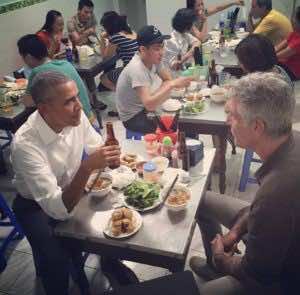
    On the arrival of President Obama at Vietnam, he tried this food at the family restaurant and ordered two portions of rice vermicelli along with seafood meat roll and 2 bottles of beer. He and his well-known chef ate all of that delicious food and made a compliment to the restaurant owner and bought 4 different portions to go too. The owner said she had prepared about 50 portions that night but not enough because of a large number of customers. One portion of rice vermicelli here costs 40,000 VND per portion and remains the same for a long time without any intent to the increased price. She said she would soon open up another branch in Lang Ha and the quality of food would be absolutely the same as current.

    Where to find great bun cha in Hanoi

    Bun Cha Hang Than
    The family restaurant of the Ms. Tuyet locates at Hang Than slope that is quite easy to find. The restaurant is quite small, but full of costumes all the time. The food quality here is always excellent and has not changed over time then this restaurant is really well-known to the local here. They can’t help enjoying it.

    Apart from including vermicelli, grilled chopped pork and raw vegetable like rice vermicelli in another restaurant, the rice vermicelli here is made in a way that suits most people taste. The meet is lightly baked so it is really aromatic. Meat is not too dry and bitter. The grilled pork is comprised of 2 dishes that are minced grilled pork and piece of grill pork. Minced grilled meat of the restaurant is wrapped with really fragrant leaves called Xuong Song so it feels not too fatty. This dish at this restaurant is also preferred because of the nice and clean presentation of the food. Costumes will be served with a bowl of rice vermicelli with full and neatly arranged pieces of meat as well as raw vegetables placed on a stainless steel tray that looks especially clean and neat. In spite of the food quality, rice vermicelli here is very affordable compared to other restaurants in the town. Just with 35.000 VND you will have a quite heavy meal.

    Bun Cha Nguyen Bieu
    If you have the chance to go across Nguyen Bieu Street at noon, you will be attracted by the aroma of this small noodle restaurant, seeing the scene of a large number of customers. Referring to Nguyen Bieu Street, the thing coming up to people mind right away is the specialty of this restaurant that is there is not fish sauce in the sauce. Instead, the sauce is made with just salt and some other spices. In spite of that, the dish in this restaurant still attracts lots of customers.

    Bun Cha Hang Khoai
    Unlike other restaurants elsewhere, Hang Khoai is the only restaurant that opens in the early morning. The reason why this restaurant opens in such a “toxic” time is that the main customers are lots of people trafficking at wholesale fruit market of Long Bien at this period of time. So the restaurant is available until 2 pm in order to serve lunch to its customers.

    The restaurant owner is quite picky. Meat used needs to be fried bacon that has fresh and tasty marinated taste. Baked meat needs to be soft as well as very fragrant. Besides, the restaurant also serves both rolls and vegetable rolls. Vegetable rolls have little meat inside but plenty of vegetables so people don’t feel fat eating them. The owner here is quite psychological; people just want to have the light food for their breakfast so she serves smaller portions with less price that is just 25.000 VND at this time of day. And for lunch, she serves people with a full portion of the main meal costing 30.000 VND per portion

    Bun Cha recipe:
    Cha is made from the minced lean meat of pork shoulder and then turn it into meatball. Then these meatball is mixed with salt, pepper, fish sauce above 35 degrees as well as protein, sugar, dried onion that is finely chopped, water vegetable oil or grease. Depending on the freshness of the meat, after mixing these spices, if the meat seems a bit dry, then add a little oil so that the meat easily turns into balls. If you are a bit picky, you could choose to horizontally pack a piece of meat using banana leaves at a time, the meat will be more fragrant.

    Other street foods you should not miss

    Banh Cuon
    If the French owns this famous delicious crepe made out of wheat, dairy products, and egg; Vietnamese and particularly local people in Ha Noi Capital will be proud of the steamed crepe made of water and rice flour. Savory meals, the stuffing inside contain wood-ear, ground pork and seasoning. Many street chefs cook the dish right at their door so find a place at which steams are going up high. This dish is often served with sauce, a mixture of sugar, fish sauce, and lime.

    Cha ca La Vong:
    You may suppose that you have read about this food name before and you’re right. This is definitely listed as 1 of the most popular one hundred dishes you should try prior dying by lots of cuisine experts. Fish is exquisitely grilled and served with rice noodle, green onions, peanut, shrimp paste and drills. The fish have to be carefully selected so there aren’t too lots of bones as well as fishy smells.

    This famous food is the best-enjoyed food in Hanoi, where the dish was invented just in the 20th century. Rice noodle soup could be seen almost everywhere in Hanoi, it appears anywhere from the street to restaurant chains. Some kinds are served along with the chicken and others with beef. Every type of the meat entails a variety of the sub-dish by utilizing from beef brisket to beef tenderloin, chicken thigh to the chicken wing. The advice is to find the some places where the local gathers the most so you know exactly where to sit down and order.

    If Pho could be compatible to the linguine in its shape, this is mostly like spaghetti. This dish is a quite popular but hidden fare in the capital of Vietnam and people could hardly look for it the outside of old quarters and some special restaurants across the capital. Chicken broth is well done so the dish is really beautifully served.

    So hopefully this info on most popular street food in the country of Vietnam will help you get the most of your trip.

  • Unique ‘Rong’ house in the Central Highland of Vietnam

    Unique ‘Rong’ house in the Central Highland of Vietnam

    The Western Highland used to be divided into 3 provinces: Lam Dong, Dak Lak, and Gia lai-Kon Tum, but now it has 5 provinces: Lam Dong, Dak Lak, Dak Nong, Gia Lai, Kon Tum.

    Apart from Kinh people, the Western Highland also has the other communities like Ba Na, E de, Gia Rai and other minority people such as Xo Dang, Mo Nong, Ma, Co-ho…

    Those people lived under a matriarchy; it means their child will bear their mother’s surname. Women are those have the right to make a decision in most important events in family and also are the breadwinner of their family. As a result, women will choose and then decide who will be their husband. If you have the chance to visit an E de family in Dak Lak, you will have more insights into this matriarchy. They have to do all of the hard work so their hands and feet are really rough and big. In the other side, men seem to run errands so that their hands look elegant.

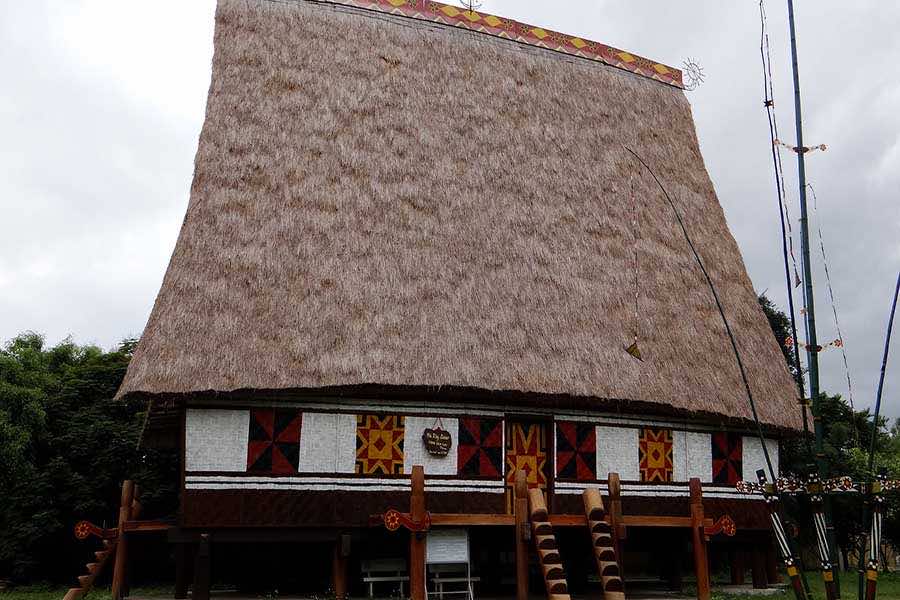
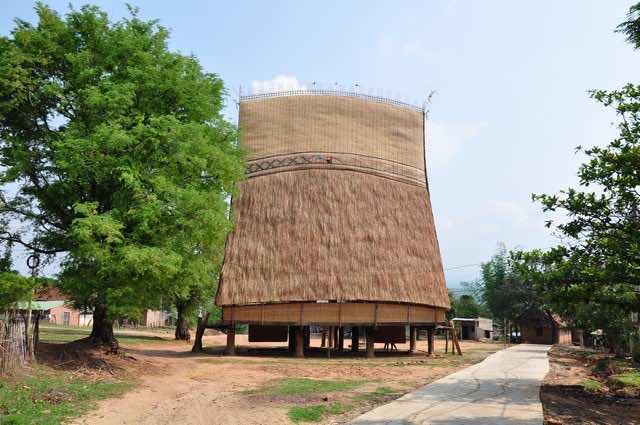
    rong house central highland Vietnam
    rong house central highland Vietnam

    The families that are blood-relations will decide whether they will live together in the same house or not depending on their custom. Their Rong houses are next to each other, there is one more house if there is a small family appearing in a big family. That house is called long house.

    The characteristic of the minority’s houses in the Western Highland all have the only room. The floor is made of wood and has the staircase. Their house tends to have 2 staircases, one for men and the other for women.

    All of the minority communities in the Western Highland have a Rong house in their village. ‘Rong’ House is the communal house used for the whole community. There is also a bigger and taller kind of Rong House than other Rong Houses in the village. Nowadays it is really hard to find an original ‘Rong’ house across the Western Highland area because almost of them have been destroyed. Today Rong House is just a kind of Rong House model.

    The materials used for Rong House construction is from bamboo, woods in forests, alang grass. In the past, it often takes 2 to 3 years of preparation to build a build a Rong House. They need to come into the forest to collect some kinds of wood, chop them off and bring them home to make house’s pillar. Alang grass used to make house roof needs to be dried before using. Most Rong Houses have the shape of the hammer blade. But the Rong House of Ba Na people has the low floor and roof that is called the short Rong House in order to distinguish with other Rong House of Ja Rai people. Ja Rai’s Rong Houses are much taller. Their height can soar up to the sky (around 20m). If you have ever read the work called “the nation stands up” of Nguyen Ngoc writer, you can understand more about Ja Rai’s Rong House.

    If you come to the Western Highland these days, the Rong House you can find is made of the cermet and their roof is made of tin.

    One amazing thing is that most minority people live under a matriarchy yet the village head is men. Each village has 3 or 4 village heads. For example, the head of Rong House is supposed to focus on overseeing and maintaining the Rong House. Other village heads responsible for the water in village concentrate on overseeing and take the water into the village. The village in charge of culture and economics will make a decision on food, particularly beef, and entertainment during the festival. The village in charge of the economy will determine what plants village people will choose to grow in a certain season and so on.

    The Rong House is where living activities of the whole village occurs. If there are any serious things happening, village people will have a discussion together at the Rong House. As a result, this house is considered the divine place of the Western Highland villages.

    One amazing thing is that women are not allowed to set foot on the Rong House. Ba Na people these days still remain that custom. A few Ja Rai people’s villages have been destroyed. So women are allowed to come to the Rong House that village uses the Rong House as a church.

    When it comes to women who are not allowed to come to the Rong House, when I come to the Western Highland for the first time, I follow some of my friends to Ba Na village. A few King women teachers that come with me don’t know this custom. Because they saw the Rong House for the first time, they are too excited to run straight away along the staircase. After setting their feet on the floor, they were arrested by village people. They did it because they suppose that women who come to the Rong House will touch the village ghost. Eventually, the authority here must involve in this in order to settle the problem down.

    The Rong House of the Western Highland people is where village people have a meet and single young men can come to sleep. Any single village men have the age of 15 and up have to come to the Rong House for sleeping.

    When mentioning the Western Highland culture, it is necessary to mention the Rong House and H’mo Roong Rau festival. This is a really important festival of village people here.

  • Vietnam Destinations Worth Capturing on Camera

    Vietnam Destinations Worth Capturing on Camera

    With a history as complex and haunting as Vietnam’s it’s easy to overlook the naturally beautiful views that greet you when you arrive. Often unchanged despite increased tourism and growing infrastructure, these natural paradises amidst a country of culture, painful memories and fascinating city life regularly win the hearts of unsuspecting visitors. For those looking to capture stunning landscapes on camera, Vietnam is the perfect travel destination and provides surreal and breath-taking photo opportunities that rival those anywhere else in the world.

    Hanoi

    Capital of Vietnam, Hanoi is often used as an entry into the country for those seeking to photograph striking Ha Long Bay or the mountainous regions of the north. However, this small but remarkable city provides some unique photo opportunities of its own. Hoan Kiem lake is the best place to start, offering visitors a green oasis with an island pagoda, rich in legend and culture that’s bound to inspire the artistic.

    The city is best explored by car or motorbike, both of which provide tourists with the chance to make their own way around the area without being restricted by train or bus schedules. Car insurance is recommended due to the almost chaotic driving system, which can confused first time visitors. However, it is just as inexpensive to hire a car with a driver, which can save stress and hassle for those nervous about driving themselves.

    Hanoi holds a huge amount of French influence and is often referred to as the Paris of the Orient. Featuring elegant embassies and beautiful relics of the country’s past such as the Mausoleum of Ho Chi Minh, the city is perfect for those seeking something a little different. The Old Quarter is also a wonderful destination for those looking for the best photo opportunities thanks to its charming streets and vibrant local markets filled with colourful offerings. Many of the streets maintain the city’s tradition of offering just one form of goods, providing countless chances for photographers to capture the abundance of distinctive charm offered throughout this beautiful city.

    Ha Long Bay

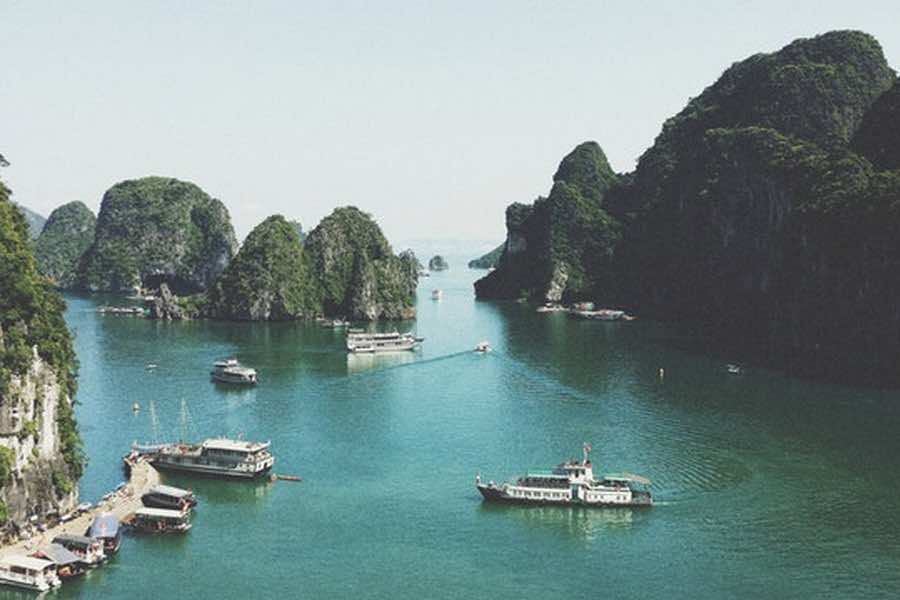
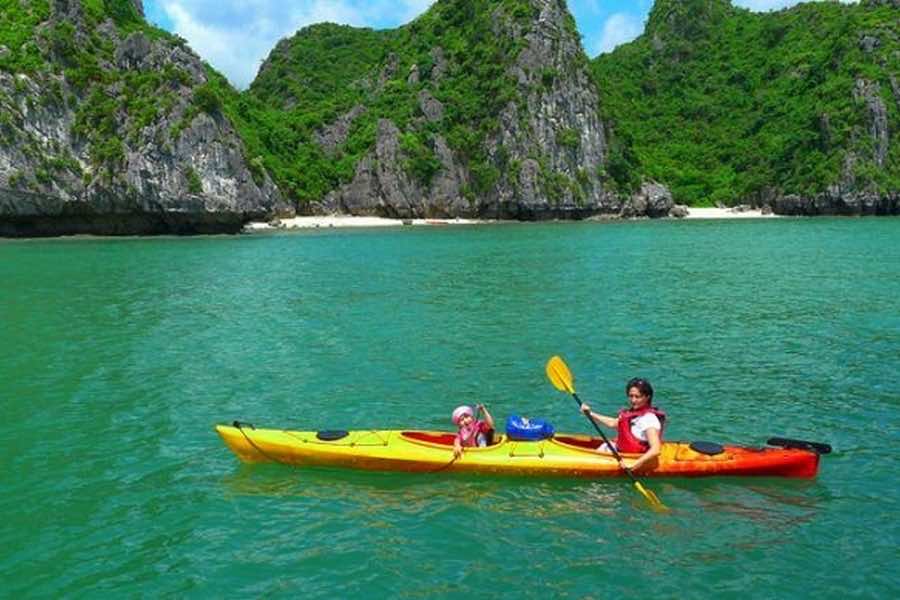
    Ha Long Bay in the north-east of Vietnam is 165km from the capital Hanoi and covers an area of 43,400 hectares. Featuring 1,600 islands and islets, most of which are completely untouched by humans, it provides photography gurus with a spectacular seascape of limestone pillars and mysterious natural caves. The huge number of islands and islets make it a natural limestone maze that offers hugely varied scenery thanks to their varying sizes and shapes.

    Of course, such a beautiful and unaltered paradise is not easy to reach, and any avid camera enthusiasts will have to travel by boat to see the best that Ha Long has to offer. There are a huge number of tours available, from budget day tours to three day cruises, each offering a different experience of these vast limestone islands. For those looking to snap some photos, however, the longer tours offer more of an opportunity and can also include an night sleeping at sea, providing a unique view of the area that’s missed by many.

    closest airport to Halong Bay

    Sapa: Terraced Rice Fields and Ethnic Diversity

    Nestled in the northwestern region of Vietnam, Sapa is a picturesque town that has become a popular destination for photographers and travelers alike. The town’s primary draw is its stunning landscape, which features a tapestry of terraced rice fields that cascade down the mountainsides, creating a mesmerizing visual spectacle.

    Capturing the Terraced Rice Fields

    The best time to capture the Sapa rice terraces is during the harvest season, typically from late August to September. During this time, the fields are adorned with a vibrant golden hue, creating a striking contrast against the lush green foliage and the surrounding mountains. To get the most out of your photographic experience, consider the following tips:

    • Arrive early in the morning or late in the afternoon to take advantage of the soft, warm light that casts a magical glow over the landscape.
    • Experiment with different angles and perspectives to capture the sweeping vistas and the intricate patterns of the terraced fields.
    • Use a wide-angle lens to encompass the grandeur of the landscape, or a telephoto lens to isolate specific elements and create a more intimate composition.
    • Include local farmers working in the fields to add a human element to your images and tell a more compelling story.
      Exploring Ethnic Minority Villages
    • Sapa is also home to a diverse array of ethnic minority groups, each with their own unique cultural traditions and traditional dress.
    • Visiting these villages can be a rewarding experience for photographers, as they offer opportunities to capture vibrant portraits and scenes of daily life.

    Some of the ethnic minority groups you may encounter in Sapa include the H’mong, the Dao, and the Giay. To make the most of your village visits, consider the following:

    • Respect the local customs and traditions, and ask for permission before taking photographs.
    • Engage with the villagers and try to learn about their way of life, as this will help you capture more authentic and meaningful images.
    • Experiment with different lenses and focal lengths to create a variety of compositions, from intimate portraits to wider scenes of the village.
    • Be patient and observe the rhythms of daily life, as this will allow you to capture candid and natural-looking moments.

    Cao Bang: Dramatic Landscapes and Majestic Waterfalls

    Nestled in the northeastern region of Vietnam, Cao Bang is a province that boasts some of the country’s most breathtaking natural wonders. From the towering limestone cliffs of the Nguom Ngao Cave to the cascading waters of the Ban Gioc Waterfall, this destination is a true paradise for landscape photographers.

    Exploring the Nguom Ngao Cave

    The Nguom Ngao Cave is a stunning natural wonder that is sure to captivate photographers. This massive limestone cave features a labyrinth of chambers, each with its own unique geological formations, including stalactites, stalagmites, and intricate rock formations.

    To capture the best images of the Nguom Ngao Cave, consider the following tips:

    • Use a wide-angle lens to capture the grand scale and dramatic proportions of the cave’s interior.
    • Experiment with different lighting setups, such as using a flashlight or a portable lighting rig, to highlight the cave’s intricate features.
    • Be mindful of your camera settings, as the low-light conditions of the cave can be challenging to work with. Adjust your ISO, aperture, and shutter speed accordingly.
    • Look for unique angles and compositions that showcase the cave’s abstract and otherworldly qualities.

    Capturing the Magnificence of Ban Gioc Waterfall

    The Ban Gioc Waterfall is a stunning natural wonder that straddles the border between Vietnam and China. This majestic cascade, which is one of the largest transnational waterfalls in the world, is a must-visit destination for photographers seeking to capture the power and beauty of nature.

    To make the most of your photographic experience at Ban Gioc Waterfall, consider the following tips:

    • Arrive early in the morning or late in the afternoon to take advantage of the soft, warm light that enhances the waterfall’s colors and textures.
    • Use a tripod to capture long exposures, which can create a dreamy, ethereal effect and highlight the movement of the water.
    • Experiment with different perspectives, such as shooting from the base of the waterfall or from the surrounding cliffs, to capture the full scale and grandeur of the cascade.
    • Include elements of the surrounding landscape, such as the lush greenery and the limestone cliffs, to create a more comprehensive and visually striking composition.

    Ha Giang: Rugged Mountains and Winding Roads

    Located in the northernmost region of Vietnam, Ha Giang is a province that is renowned for its breathtaking landscapes and rugged mountain terrain. From the winding roads that snake through the peaks to the vibrant ethnic minority communities that call this region home, Ha Giang is a true paradise for photographers seeking to capture the raw, untamed beauty of Vietnam.

    Navigating the Winding Roads of Ha Giang

    One of the most iconic photographic experiences in Ha Giang is the journey along the winding roads that connect the province’s various destinations. These roads, which are often referred to as the “Happiness Road,” offer stunning vistas of towering mountains, lush valleys, and cascading waterfalls.

    To capture the best images of the Ha Giang roads, consider the following tips:

    • Use a wide-angle lens to capture the sweeping panoramas and the dramatic curves of the roads.
    • Experiment with different angles and perspectives, such as shooting from the side of the road or from a higher vantage point.
    • Be mindful of safety and only stop in designated areas to avoid disrupting traffic or putting yourself in harm’s way.
    • Consider using a drone or a GoPro camera to capture aerial footage of the winding roads and the surrounding landscape.
    • Exploring the Ethnic Minority Communities
    • In addition to its breathtaking natural landscapes, Ha Giang is also home to a diverse array of ethnic minority groups, each with their own unique cultural traditions and traditional dress. Visiting these communities can be a rewarding experience for photographers, as they offer opportunities to capture vibrant portraits and scenes of daily life.

    Some of the ethnic minority groups you may encounter in Ha Giang include the H’mong, the Dao, Lolo, Lolo Chai and the Tay. To make the most of your village visits, consider the following:

    • Respect the local customs and traditions, and ask for permission before taking photographs.
    • Engage with the villagers and try to learn about their way of life, as this will help you capture more authentic and meaningful images.
    • Experiment with different lenses and focal lengths to create a variety of compositions, from intimate portraits to wider scenes of the village.
    • Be patient and observe the rhythms of daily life, as this will allow you to capture candid and natural-looking moments.

    Mu Cang Chai

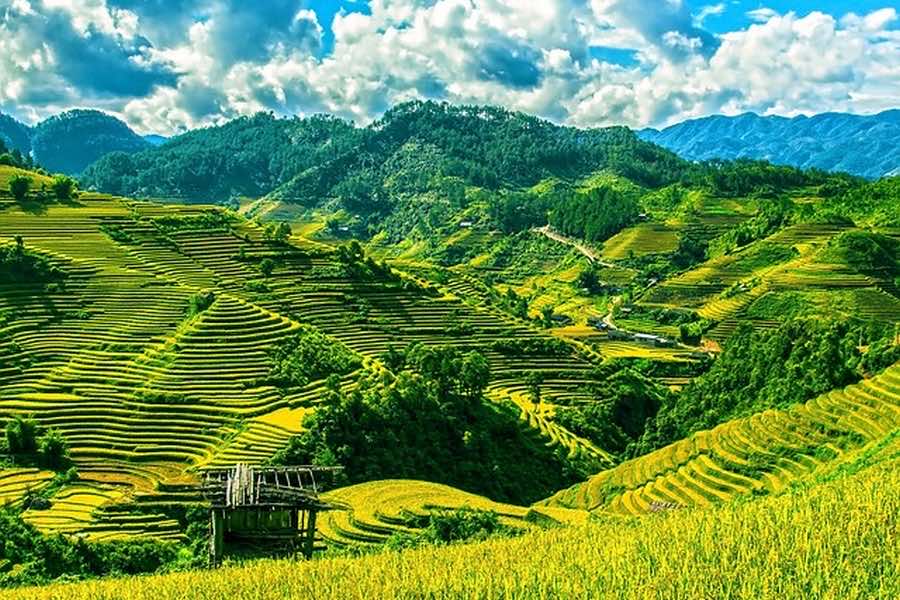
    Visiting Mu Cang Chai is a must. This most unusual and beautiful of landscapes is studded with terraced rice fields that stretch for miles down the mountain sides. Between these, you’ll be able to notice wooden huts and houses that further make the landscape more striking to look at. Traversing the roads there can be slightly more difficult, but not impossible by any stretch – however many tourists like to visit when the fields are green and at their most stunning.

    The Terraced Rice Fields
    The best time to visit Mu Cang Chai is between September and October when the fields are lush green, creating a picturesque backdrop for your photographs. The intricate terraces contrast beautifully with the wooden huts, adding rustic charm to your shots.
    Tips for Photographers
    • Timing: Capture the fields in the soft morning light or golden hour for the best results.
    • Details: Zoom in on the patterns and textures of the terraces to create compelling close-up shots.
    • Human Elements: Include local farmers to add scale and narrative to your images.

    Hoi An: Historic Charm and Vibrant Cityscapes

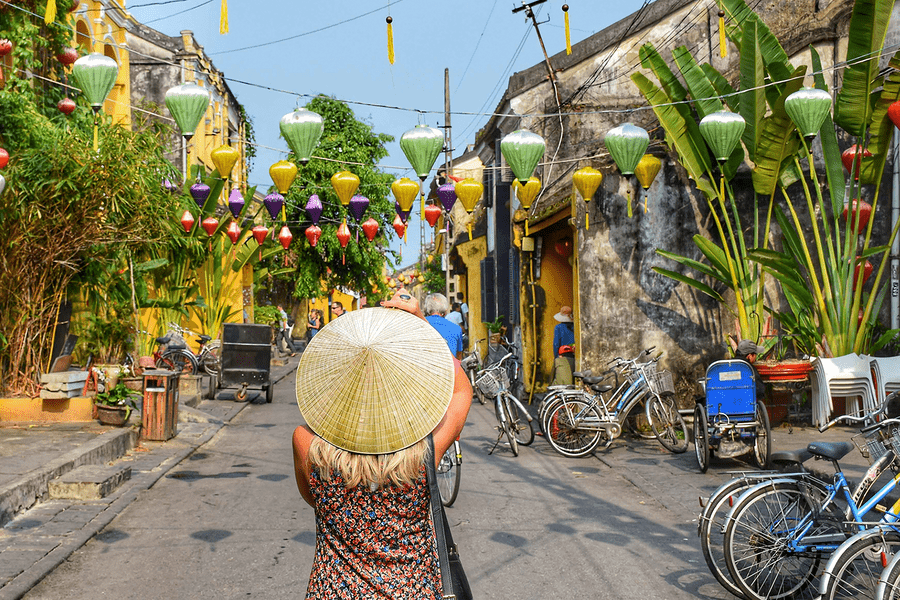
    Nestled on the central coast of Vietnam, Hoi An is a historic town that has become a beloved destination for photographers and travelers alike. With its charming ancient architecture, vibrant markets, and picturesque riverside setting, Hoi An offers a wealth of photographic opportunities that are sure to captivate the senses. One of the primary draws of Hoi An for photographers is its well-preserved historic architecture. The town’s ancient buildings, many of which date back to the 15th and 16th centuries, feature a unique blend of Vietnamese, Chinese, and Japanese influences, creating a visually stunning and culturally rich environment.
    Capturing Hoi An Through the Lens: Photography Tips

    Hoi An’s historic architecture, vibrant cityscapes, and cultural vibrancy provide endless opportunities for photographers to create stunning images. To make the most of your photographic journey in Hoi An, consider the following tips:
    • Golden Hour Magic: Utilize the soft, warm light of the golden hour during sunrise and sunset to capture Hoi An’s historic buildings and bustling streets in their best light.
    • Play with Reflections: Take advantage of Hoi An’s picturesque riverside setting to capture reflections of colorful boats, lantern-lit bridges, and charming architecture on the water’s surface.
    • Explore Side Streets: Venture off the beaten path and explore Hoi An’s lesser-known alleyways and side streets, where you’ll find hidden gems and unique photo opportunities away from the crowds.
    • Capture Daily Life: Document the everyday moments of Hoi An’s residents going about their lives, whether it’s cooking at a street food stall, shopping at a local market, or engaging in traditional crafts.

    Mekong Delta

    Covering an area of around 15,000 square miles, the Mekong Delta is where the stunning Mekong River finishes its 2,700 mile journey from the Tibetan plateau to the South China Sea. Surrounded by an area of tropical forests and fertile land, the location is commonly known as the ‘rice bowl’ of Vietnam thanks to it’s the large production of rice crops in the area.

    Sometimes overlooked by tourists seeking purely inner-city experiences, the Mekong Delta is a lesser-explored utopia of waterways, bustling river communities and cottage industries that survive on the mighty river. The river and surrounding landscapes provide a great opportunity for photography, but the busy floating markets are more than capable of providing unique photo opportunities of their own.

    It’s easy to reach the Mekong Delta by car or train thanks to the transport links of the nearby Ho Chi Minh City, but once you’ve arrived you’ll rely almost exclusively on boats for transportation. As with Ha Long Bay, there are a huge number of cruises and tours available that allow tourists of any budget to experience the natural beauty of the area, many of which will provide trained guides to ensure you have the opportunity to catch some of the most unique views on camera.

    Conclusion

    Vietnam offers a plethora of stunning destinations that are truly worth capturing on camera. From the majestic Ha Long Bay with its untouched islands to the terraced rice fields of Sapa and the dramatic landscapes of Cao Bang, Vietnam is a photographer’s paradise.

    Exploring the historic charm of Hanoi, the vibrant cityscapes of Hoi An, and the rural beauty of Mu Cang Chai provide unique opportunities for capturing the essence of Vietnam through photography. The ethnic diversity, natural wonders, and cultural richness of these destinations make Vietnam a perfect travel spot for those seeking breathtaking photo opportunities.

    Whether you are interested in capturing serene landscapes, bustling city life, or traditional cultural scenes, Vietnam’s diverse array of destinations has something to offer every photography enthusiast. So grab your camera and get ready to capture the beauty and charm of Vietnam’s most captivating locales.

    Contact us today to get a free trip designed just for you. Experience the wonders of Vietnam through a customized itinerary tailored to your preferences and interests.

  • Most Beautiful Places to Celebrate Christmas in Hanoi and Sai Gon

    Most Beautiful Places to Celebrate Christmas in Hanoi and Sai Gon

    Churches, religious neighborhoods, Hang Ma Street, China town, shopping centers, etc. are considered as most romantic destinations for this Noel season. Below are some interesting suggestions for your Christmas in Sai Gon and Hanoi.

    In Hanoi:
    1. St. Joseph’s Cathedral in Hanoi
    (Address: 40 Nha Chung Street, Hoan Kiem District, Hanoi)
    As a Catholic center in Hanoi and the surrounding areas, St. Joseph’s Cathedral in Hanoi is always the most splendid place when it comes to Christmas decoration. If you plan to spend your Christmas Eve at this place, it is crucial to get there really early as the Cathedral can become extremely crowded from early evening.

    Due to the location convenience, you can also enjoy a variety of delicious snacks after a cheerful Christmas Eve. Good food is available just around the corner, including Au Trieu Street, Ly Quoc Su Street, Nha Tho or Nha Chung Street, etc.

    2. Ham Long Church
    (Address: 21 Ham Long Street, Hoan Kiem District, Hanoi)
    Ham Long Church, facing both Ham Long St. and Ngo Thi Nham St., is deemed one of the most gorgeous churches in Hanoi. In every Christmas season, it is quite familiar to see flows of people flocking toward the church, or young couples celebrating their Christmas by lightening romantic candles around them. Thanks to its appealing architectural design as well as the dazzling and sophisticated decoration, Ham Long Church is always an interesting destination for the youth at Christmas.

    Following are a number of churches and chapels that are also well-known attractions in Hanoi at Christmas:
    – Cua Bac Church (56 Phan Dinh Phung, Ba Dinh District)
    – Thinh Liet Church (111 Giap Bat Street, Hoang Mai District)
    – Phung Khoang Church (50 Trung Van, Tu Liem District)
    – Sainte Marie Church (37 Hai Ba Trung, Hoan Kiem District)
    – Hang Bot Church (162 Ton Duc Thang Street, Dong Da District)
    – Nam Dong Street (178 Nguyen Luong Bang Street, Dong Da District)

    3. A sparkling Christmas by Hoan Kiem Lake
    Christmas coming seems to cast an astonishing atmosphere around Hoan Kiem Lake (or Sword Lake). Wandering around the lake you can easily catch sight of hand in hand lovers or the night market with interestingly unique items. Many foreigners confess that they are extremely impressed by bountiful counters placed side by side on a long walking street flooded with endless flocks of people.

    Hoan Kiem Lake, already a beauty in the heart of the capital, magically turns into a sparkling pearl at nights when Christmas comes, majorly thanks to hundreds of lights are lit in the air. It is highly recommended to visit a small coffee shop called “Café Pho Co” (Ancient Town Café) and enjoy a cup of charming hot egg coffee which is incomparably unique in Hanoi.

    4. Hang Ma Street, Luong Van Can Street
    Christmas always coats the streets with a bustling and vibrant atmosphere from flocks of people visiting and shopping. Especially in Hang Ma and Luong Van Can streets where decorating items for Christmas are sold, new products with various colors, vignettes and textures are constantly updated and introduced. Apart from buying Christmas gifts, you can also window shopping or even posing beautiful photos there.

    Christmas in Hanoi

    At Christmas, Hang Ma Street is always covered with abundance of colorful decoration items.
    (Source: www.citynews.net)

    In Sai Gon
    1. Notre Dame Cathedral – Dong Khoi Street
    The elaborate and luminous Notre Dame Cathedral, locating right at the city center, is really a must for Christmas destinations. Surround Notre Dame Cathedral are a variety of entertainment centers such as Diamond Plaza, Kumho Asiana Saigon, the Turtle Lake and some others on Nam Ki Khoi Nghia and Ton Duc Thang Streets.

    When sightseeing at this area, you have a great chance to “hunt” stunning photo shots, having a pedestrian coffee chat with friends (this is especial only Sai Gon when you sat down in the park and have coffee without tables or chairs) or enjoying hot snacks such as roasted rice-paper, grilled corns, grilled sweet potatoes, etc.

    2. Center of District 1 – Nguyen Hue Street
    At the center of district 1, especially on Le Loi and Nguyen Hue Street, thousands of lights are lit almost every building, on tree twigs and trunks or even hung cross the street.

    Additionally, this is also the hub of various restaurants, hotels and grand shopping plazas such as Rex or Tax, etc. Each place has its own style of decoration which contributes to a truly “Western” Christmas atmosphere. A plus for this area is its vicinity to many elegant coffee shops, cinemas and delicious diners that is extremely convenient for a night sightseeing trip on Christmas.

    3. The religious neighborhood, District 8
    The Catholicity in District 8 locates on Pham The Hien Street, from the Nhi Thien Duong Bridge to Ward 7 of District 8. This neighborhood extends for 3 kilometers and crosses a number of famous parishes such as Binh An parish or Binh Thai parish. Every house, pedestrian and street are decorated with hundreds of stone caves, pine trees covered with white snow, Santa Clause statues, Our Lady statues or Jesus statues, etc. This colorfully wonderful decoration makes you feel the Christmas atmosphere really in the air.

    In case you want to celebrate the Christmas Eve in your neighborhood, there are number of choices such as Tan Dinh Church, Huyen Si Church (District 1), Hanh Thong Tay Church (Go Vap Distruct), Một số giáo đường khác ở TP HCM cũng tổ chức canh thức Giáng sinh như nhà thờ Tân Định, Huyện Sĩ (quận 1), Hạnh Thông Tây (Gò Vấp), The Savior’s Church (District 3), Cha Tam Church (District 5), Ba Chuong (Three bells) Church (Phu Nhuan District), etc.

    4. China Town, Hai Thuong Lan Ong Street
    In Hanoi, you can always find your favorite decoration items at Hang Bai or Luong Van Can Street. Likewise in Sai Gon, the China Town is famous for a variety of shops with countless colorful decorations for Christmas. The items here are not only appealing but the price is also quite reasonable. This street is highly recommended for window shopping, sightseeing and posing photos.

    5. Shopping Centers
    From early December, decorations with colorful pine trees, and shimmering reindeers can be found at every large shopping center of the city such as Times City, Royal City, Vincom, Parkson, Saigon Center or Diamond Plaza, etc. Each shopping center chooses a different theme for their decorating coat which appeals you to visit every one of them to pose hundreds of gorgeous photos.

    Christmas in Saigon

    Nguyen Hue Street when decorated for Christmas (Source: www.baomoi.com)

  • PHU QUOC – THE DELICACIES

    PHU QUOC – THE DELICACIES

    Phu Quoc, the largest island in Vietnam, is bestowed with jaw-dropping beaches accompanied by various specialties. When you visit this wonderful coastal city, not surprisingly, seafood is a must.

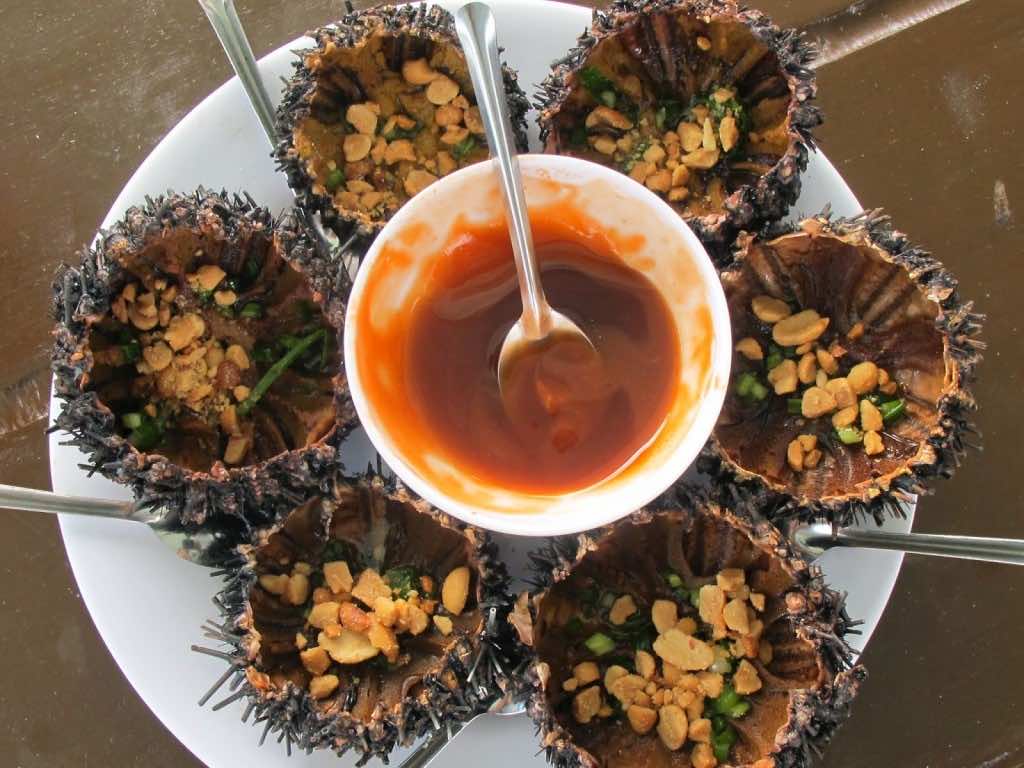
    Sea urchin

    Sea urchin is a world-class delicacy that only appears in the menus of top restaurants. In Phu Quoc, however, you can find sea urchin almost everywhere from the night market to extravagant restaurants. But here is one secret. The freshest and most tasty uni (sea urchin) dishes can only be found right on the boats. It is advisable to take a snorkeling tour to either the northern or southern side of the island. While enjoying the colorful corals, you can also find a bunch of sea urchins lie peacefully on the seabed. Be careful as their spikes cause itches. Instead, the sailors will take them on board and prepare the freshest uni dish for you. The dish is quite simple as they only grill them timely on the oven then add a little local pepper and lime, but you will definitely be astounded by that unique taste.

    sea urchins

    newly roasted sea urchins

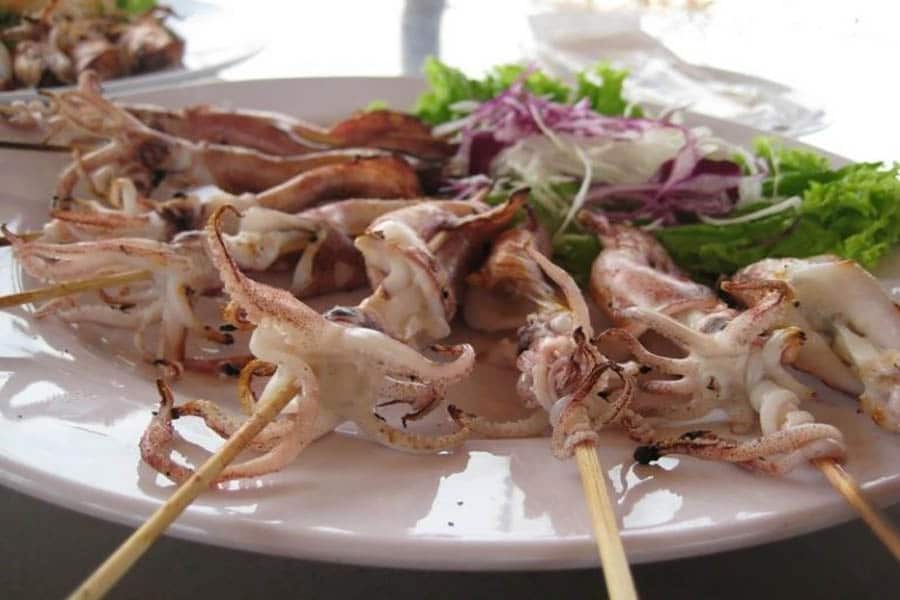
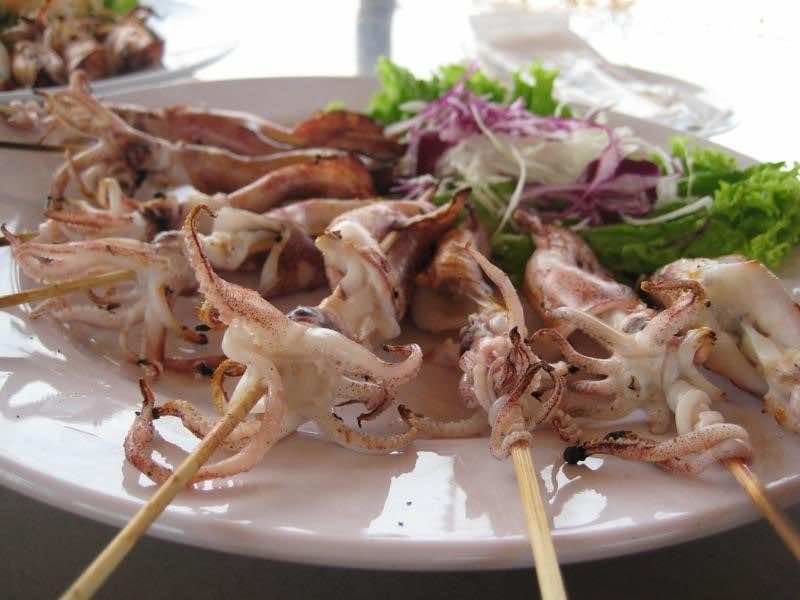
    Squid

    Just like sea urchin, you can directly catch your dish right on the boat. First you need to book a night squid fishing tour and start your tour at 5 p.m. When on board, lights are lit to attract the squids under water. You will be carefully instructed on how to catch these squids. You will dine with what you can catch, including extremely fresh fishes and squids. Generally speaking, squids are grilled, or fried with rice, or even steamed with bear!

    phu quoc squid


    Phu Quoc Squid

    Scallops

    Scallops are quite popular. In Phu Quoc, you can find the cheapest and freshest scallops at Dinh Cau night market. Scallops are laid on the tables, all you have to do is to look around and pick up the ones you like. The waiter grills them right away, flavors them with the famous fish sauce of Phu Quoc and green onion. The dish is then ready to be served, hot and wild.

    Fish

    Due to geographical characteristics, fishes in Phu Quoc are not as diverse as those in the middle region of Vietnam. However, thanks to their freshness, fishes in Phu Quoc can still amaze even the toughest tourists. Particularly speaking, Phu Quoc is especially famous for its herring salad.

    Fresh herrings are caught by boats and brought to the wharf where they are bought by restaurants. When you order the dish, kitchen staffs ripen them with lime and a little salt then add some flavors such as onion, herbs, chili and finally roasted peanuts. When eating, you need to spread the rice paper on the dish, add the raw vegetables, then the herrings and finally the scraped coconut, and roll the rice paper. Eat this roll with the sweat and sour fish sauce, you must be astounded by the wonderful combination of these tastes!

    Seaweed

    In Phu Quoc, seaweed is widely cultivated and exploited. Not only is it tasty, but it is also a healthy dish. When visiting Phu Quoc, you can choose seaweed as a gift for your friends. Seaweed is commonly roasted with garlic and chili and a little salt, which serves to remain the nutrients and sweat of fresh seaweed.

    In general, Phu Quoc is definitely the most spectacular choice for your vacation. Thanks to its dazzling beaches, pristine natural habitats, breathtakingly tasty delicacies and exceptionally hospitable residents, Phu Quoc will be one of the unforgettable memories in life.


  • All about Mu Cang Chai

    All about Mu Cang Chai

    Mu Cang Chai (Mù Cang Chải) is a mountainous district in Yen Bai Province, locating approximately 280 kilometers from Hanoi. This place is widely well-known for its breathtaking terrace fields. In every harvesting season, thousands of visitors across the country pour to Mu Cang Chai for this unique scenery. If you have never been to this place, we highly recommend you to immediately pack your bag and be right on the road, as you will never regret of your time spent there.

    harvest time in Mu Cang Chai

    harvest time in Mu Cang Chai

    Best season to visit Mu Cang Chai?
    Although the normal scenery of Mu Cang Chai is not very distinctive from other places, there are two particularly outstanding seasons which is really a must for your trip:
    • Harvesting season falls from mid-September to mid-October.
    During this time, Mu Cang Chai is exclusively covered with bright yellow paddy fields. As the weather is also favorable, your trip to visit this place is nothing but convenient.
    • From May to June is the season of pouring water.
    This is the rainy season when summer rains continuously pour down the nearby mountain. Water follows the channels from these mountains, spilling into the terrace fields and softening the dried land and making it cultivable. This is the time when the locals prepare for their new cultivation with eager. It also explains the reason why there is only one harvest in the terrace fields of the northern mountainous areas. Terraces of fields which are full of water “literally” glisten by reflecting the final sun lights of a day – this creates a breathless moment that makes even the toughest tourist amazed at.

    Transportation to Mu Cang Chai

    From Hanoi, you can directly head for Mu Cang Chai by motorbikes, or choose sleeping buses (buses with beds) as a means of transport. Most of buses in the route from Hanoi to Lai Chau do go through the territory of Mu Cang Chai so you have quite a good choice. In case you choose to travel by buses, you can also rent motorbikes to explore more about Mu Cang Chai and the surrounding areas. This vehicle is extremely convenient and flexible for sightseeing, posing photos and enjoying the paddy fields. Regarding renting motorbikes, you can either directly ask for help from your hotel/motel or contact the motorbikes stores called Huan Tuan Tuyen (mobile: 0166.568.4574).

    Hotels and Motels in Mu Cang Chai

    If you intend to visit this place at peak times (e.g. in the festival of terrace fields), it will be relatively difficult to reserve a room. In fact, there are not many hotels and guest houses in Mu Cang Chai. Thus, if you only spend only 1 day in Mu Cang Chai, or this is just stop in your journey, you had better rent a room in the surrounding areas, such as Tu Le or Nghia Lo, etc.

    In order to capture the most magnificent photos of Tu Le field, it is advisable to get to Khau Pha mountain top pass at around 7-9 a.m. (after this period, it may be still sunny but rather dim and misty). Here is our tip for you: You can choose either to sleep the night right in Tu Le, or go 7 kilometers further up to Khau Pha mountain pass where there is system of restaurant-hotel with more than 20 rooms available. From this point, it takes you about 15 minutes to get to the mountain top pass.

    about 15 minutes to get to the mountain top pass.

    Specialties in Mu Cang Chai

    • Tu Le sticky rice

    Sticky rice in Tu Le is a well-known long-standing specialty which is cultivated in the fields of Muong Lo (Yen Bai Province).

    Legend: Once upon a time, the Jade Emperor asked the fairies to bring a valuable type of sticky rice to earth. The fairies went all over the Northwest ranges of mountains to find a suitable place for cultivation. Finally, they saw Mt. Khau Pa where they figured out a beautiful flat valley with lush greenery, they came down and chose what is now Pha Village to sow the seeds from heaven. A few months later, these plants blossomed, the seeds ripened and turned into an attractive yellow color with irresistible aroma. Since then, the fairies decided to hand over the precious type of sticky rice to Thai ethnics. These locals continue to cultivate the plant and spread it throughout Tu Le and Van Chan region. Thus, people nowasdays refer to this sticky rice as ‘Tu Le’.
    • Tu Le “Com”

    Tu Le commune (Van Chan District, Yen Bai Province) has long been famous for special sticky rice with large, round and pure white grains. “Xoi” made from this rice has a particularly unique aroma; meanwhile, when cooking into “Com”, the rice also has a sweet and refreshing taste.

    To retain its charming flavor, seductive aroma and the special feature of Yen Bai mountainous region, the treatment of Thai ethnics must be extremely sophisticated. When the top of rice plants starts to bend down and still remains its milk, the locals harvest them and start the process to make ‘Com’. Instead of threshing, rice is plucked and got rid of straw as well as immature grains, then dipped into water and finally roasted in the pan. Stoves used to roast “Com” must be built from coal shreds and burned by firewood.

    The pan used in this process is usually made from cast iron so that the grains of ‘Com’ will not be burned but soft, glutinous, aromatic and tasty after roasting. Fire in the stoves must be small and ‘Com’ in the pan should be turned frequently to receive intensive heat. Once roasting is done, ‘Com’ is left until cool then put into a mortar for pounding until the rice husk comes out. After that, the husk is removed the rice is further pounded.

    Depending on how mature the rice is, the locals will estimate the time for pounding but it falls around approximately 10 times of pounding. ‘Com’ is usually served with ripen bananas, persimmons, or used in a number of dishes such as duck porridge, sticky rice, sweet glutinous soup, or even used as a seasoning for fried spring rolls, fried shrimp, fried meat, etc.

    • Salmon and Sturgeon

    From the foot of Khau Pha mountain pass on Tu Le’s side, if you go uphill approximately 7 kilometers, you will reach the area of Khau Pha restaurant which is also one of the largest salmon farms of the Northern region. The number of fish here can be as high as 10,000 fishes with fish breeds imported and raised following European technology. Various delicious dishes made from salmon (or sturgeon) are prepared right here to serve to tourists. If you travel in a group, it will be absolutely wonderful to choose Salmon hot pot for lunch.

    • Roasted grasshoppers

    Grasshoppers live throughout the year, however, they appear with substantial number in harvesting season from May to September. During this time, dishes of grasshoppers, which is considered as an tourist attraction to Mu Cang Chai, are always impressively stunning.

    In addition, in Mu Cang Chai, you can also enjoy stream crab roasted with salt. However, this dish is not always available; thus, you should reserve in advance with the restaurant. In fact, tourists usually wander around the area sightseeing and posing photos before going back to Mu Cang Chai, at this time, restaurants are usually in short of food.

    • Stream crabs roasted with salt

    Unlike sea crabs or field crabs, stream crabs reside in small rock niches around the stream on highlands. Crabmeat is uniquely aromatic and firm so that it can be cooked into various good dishes including roasting with salt. When crabs are caught, their shells are removed and the remaining is washed with water then left until dry. Pour oil into the pan and wait until it boils, then add a little of garlic, put the crabs in and turn frequently, and finally season the dish with an appropriate amount of salt. When crabs are done with an attractive yellow, it is ready to be served.

    • Tao Meo (cardamom) in Mu Cang Chai

    In Yen Bai, Son Tra trees usually live in the mountainous areas to the west of the province, especially in three districts: Mu Cang Chai, Tram Tau, Van Chan where the temperature base is quite extraordinary: it is sunny and hot in summer when affected by the southwest wind, while it is extremely cold in the winter at highlands. This tree (Tao Meo) possesses various marvelous features not only in daily life of the locals but also in medicine.

    Tao Meo trees naturally flourished in forests and reach an average height between 7-10 meters with woody trunks and broad foliage. These trees can widely expand their habitat thanks to human and animal activities. Due to this reason, their habitats lack concentration but spread to many places. Tao Meo trees blossom in spring and fruit in autumn. Around September or October, Tao Meo fruits start to ripen in mass number. During this time, every market in the district, especially in Yen Bai station market, is flooded with Tao Meo fruits. The gourmets will not choose those with big or beautiful appearance, they tend to prefer small and wormy fruits as these are much sweeter.

    There are two types of Tao Meo fruits: one is usually sold at markets (more popular), and the other is wild fruits in the forests. The latter type is small, when ripening it turns into light pink or translucent yellow, sweet, crispy and extremely charmingly aromatic. Wild fruits of Tao Meo are always pure sweet with no bitter or sour like the first type o fruits. According to senior sellers of Tao Meo in Yen Bai station market, the most delicious fruits of Tao Meo are those from Tram Tau or Mu Cang Chai where Tao Meo trees live in pine hills or wild forests. Though this type is not beautiful enough to be bought as gifts, it is attractively delicious and is usually reserved by many buyers. At the end of the season, the price of Tao Meo in Yen Bai can be up to 40,000 VND/kilogram. This finding even further proves the meaning and vitality of Tao Meo in the life of local people as well as in the socio-economic development of the western district of Yen Bai Province.

    In traditional eastern medicine, Tao Meo is referred to as Son Tra. This is a valuable medicine which is used to cure dyspepsia, heartburn, diarrhea, low blood pressure or to improve cardiac operation. What is special about Tao Meo is that every part of it is totally usable. Its nuts and inner part prove to be helpful in reducing fat, treating hypotension, tranquilizing or physiologically balancing as well as preventing the complications caused by hypertension, etc. Due to this, Tao Meo is used as herb to nourish mental nutrition or treated into wine as appetizers – a favorite drink of many people. Tao Meo is also used to make cooling and refreshing drinks in summer. Furthermore, a handy person can use Tao Meo to make valuable and delicious gifts such as syrup, jam or fermenting with salt, etc. This is the reason why people from many places really appreciate this marvelous gift.

    Harvested Tao Meo can be preserved in natural conditions very many days. As syrup, Tao Meo fruits need to be peeled, removed of seeds and got rid of the inner part and cleaned. Then they are cut vertically into 4 or 6 pieces, put in brine for several hours to remove the sap. Next, take them out and drain, then mix them with white sugar and leave them untouched for 1 week. After that, Tao Meo combined with sugar turn into a gold glutinous soup like honey. Its taste is cooling sour, purely sweet with gentle aroma. If intended for use in a short time, this drink is delicious, refreshing and suitable to all ages. In case you want to set aside syrup for later seasons, you need to boil the syrup then pour the sauce into bottles. This sauce can be preserved in the long term with no fear of fermentation or deformation.

    To make ‘o mai’ from Tao Meo, after collecting the fruits, the shell needs to be remained to retain the flavor. Then get rid of the inner part, cut horizontally, dry and cook them with white sugar. Then dry them again. If you like spicy taste, you can add ground ginger and cook just the same as instructed above. Tao Meo ‘o mai’ is a special and attractive dish in winter months, especially during the Lunar New Year.

    Otherwise, Tao Meo fruits can be fermented with sugar, salt and chili. As a result, you have a special dish with spicy, salty, sweet and crispy taste with distinguished aroma that can never be mistaken.

    Recommended restaurants in Mu Cang Chai:

    • Thắng Nguyệt Restaurant. Tel: 0914.998.825. Note: delicious mountain frogs.
    • Tuấn Bò food store. Tel: 0948.929.223.
    • The food store at the junction (next to the petrol station) near the sigh ‘Di xa Che Tao’ (To Che Tao).
    • Houses on stilts in Thai ethnics’ villages.

    Recommended restaurants in Tu Le:

    • Chuyền Dung Tú Lệ Restaurant. Tel: 029.38.78.914. Note: famous for sticky rice and chicken.
    • Phố Núi Tú Lệ Restaurant. Tel: 029.38.97.115.
  • Tips for Trekking Fansipan

    Tips for Trekking Fansipan

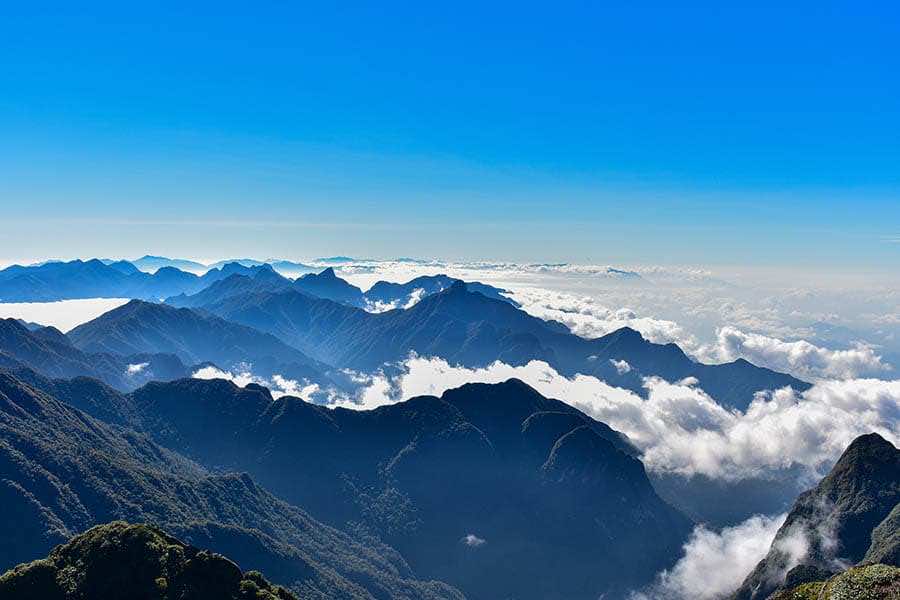
    Fansipan is not only the highest mountain top in Vietnam but also the rooftop of Indochina. This has long been a challenge of the youth. Conquering Fansipan is a memorable experience of a lifetime and also a pride in everyone’s heart. Minh Châu – a staff member of Hainam Travel has just returned from her 2-day challenge to the top of Fansipan and shared her tips.

    trekking fansipan mountain

    on the top of Fansipan by dandelion131989

    1.      When to go?

    It is advisable to avoid the rain season in the Northern region. The most suitable time to conquer Fansipan ranges from October to April in the next year which is also the dried season. You are highly recommended to trek Fansipan around February to March as during this time it is considerably less cold and rain, the forests of azalea flowers also bloom in this season.

    If possible, you should also avoid holidays as it can be really crowded during this time. As a result, your resting places at the stops can be overloaded and inconvenient.

    2.      The routes to Fansipan

    There are a total of 3 routes leading to Fansipan, details are as follows:

    + Trạm Tôn – Trạm Tôn (1-3 days): This route is the shortest and easiest among the 3 ones. Your journey starts at Trom Ton at about 1,900 meters high. Though the view is not as spectacular as the two remaining routes, it is highly recommended for newbies in trekking and those with average health. This route also has less leeches than the others.

    + Sín Chải – Trạm Tôn (2-3 days): This route starts at Sin Chai village at the height of 1,260 meters. There are a wide range of terrains on the way which will definitely blow your mind away. However, the slopes are really high and challenging and are real hindrance for inexperienced trekkers.

    + Cat Cat (3-4 days): This route, starting at the height of 1,245 meters, is the longest, most difficult and has many leeches. The terrains are also diversified. You can catch sight of beautiful beds of wild flowers if you go trekking in the right season.

    3.      What to prepare?

    Your health should be well-prepared for the trip. It is advisable to train your body 1 month in advance of the trip. You can choose to running, biking or swimming, depending on which form is suitable for you. Then you should train yourself to climb the stairs with heavy bags so that your body will physically get used to climbing.

    4.      What to bring?

    + Food and drinks: If you book a tour, water is usually brought by porters. You will need about 1 liter of water per day. You need to bring along sweet food such as cake, chocolate or electrolyte water for rehydration and energy supplement.

    + Flashlight: You can be required to get up very early in the morning and continue going when it is still dark. So be prepared to have at least 1 flashlight per 2 persons.

    + Knives: A knife is indispensible when trekking in the forest.

    + Thermal patches: Whether you go in dried or rainy season, nights on highlands are really cold. You can buy these thermal patches at supermarket as a preparation for the cold.

    + Clothes: Your clothes should be as light and comfortable as possible. If you go in rainy season, your clothes need to be waterproof; otherwise, it will get wet and extremely heavy in the rain. If you go in dried season, it can get really cold; thus, you need to bring many light sweaters (about 6-8 ones) and a thick jacket. Generally speaking, whatever you bring, they should be light and easy for you to move.

    + Personal hygiene stuffs

    + Shoes: Your shoes should be the right type for trekking as their friction is much better and will prevent you from falling. It will be even better if they are waterproof as there may be rain, fog and many streams on the route. Or else, you can instead prepare a pair of plastic socks which also meet your need of waterproof.

    + Tampons: In addition to their normal usage, tampons serve as a soft padding for your shoes. They will be a great protection for your feet and toes. If you go trekking for long days, they will also reduce moisture inside your shoes.

    + Socks and gloves: Socks remain the heat and protect your feet while gloves increase friction when you cling to rocks for climbing.

    + Backpacks: A backpack is of course indispensible. It should be small and have strong straps. You should bring about 3-5 kilograms of stuffs in your pack. Make sure the weight is moderate and easy to move.

    + Salonpas pads: These pads serve to remain your heat and also prevent the muscular pains while trekking.

    + Optional things: Woolen hat (to protect your head from the cold on the mountain top), camera (you may need only 1 camera for a group), cellphone (bring with you a small and light one which is not easy to be broken), backup battery charger (in case you bring camera or cellphone), medicine (you need to bring with you the most popular medicine, if you book tours, your porter or leader will be in charge of this), thick sleeping bags (you should hire porters to bring these items to the stops), hiking stick (this can be helpful but may be a hindrance sometimes if you are not used to using it), rain coat.

    So, all things prepared, the only thing you need is counting on your luck and then start your journey!

    5.      A number of rules

    + Always stick with your group and never go separately, your porter is always the last person in the group. Apart from Tram Ton route where the path is rather clear and easy to follow, the remaining routes mainly cross pristine forests and there can be no sight of path. If you feel tired, don’t hesitate to ask your fellows to wait for a moment.

    + Watch out the signs on the path. If you may take notice, your porters always use knives to leave signs on the trees. This is how they mark the route, in case you get lost, you can track to these signs to follow your group.

    + Don’t go trekking in a big group. The most ideal group usually goes for 10-15 persons. If your group is too crowded, you will lose lots of time to get prepared and organized.

    + Be simple. Never pack more than you need. At first, things may be brilliant, however, you will gradually get tired and cannot afford a heavy bags of unnecessary things.

    + Think positively. In fact, you always have a choice to stop and go back at every stop. However, if the journey is easy, Fansipan will not become such challenge and pride. Just keep your thoughts away from the difficult and try to think about the brilliant moment when you get to the top.

    + Shut up and climb. Although chatting while trekking is the best way to drive your thoughts to the positive side, you may get even more tired when talking too much. If necessary, you had better concentrate on the route and just climb.

    + Never get drunk. When it gets cold at night in the mountainous area, wine is the best choice to keep warm. However, you should drink as usual and never drink too much. You still have a long way to go.

    Conclusion: Fansipan is not the height to prove your strength, but to test your endurance and perseverance. If you keep going, you will ultimately find your destination.

  • 7 days of exploring ethnic markets in Northwest Vietnam

    7 days of exploring ethnic markets in Northwest Vietnam

    Ethnic markets are trading markets taking place weekly or monthly on specific days. This type of market is distinguished in a number of rural areas in Asian and African countries, usually among minority ethnic groups.

    In Vietnam, Lao Cai is among the provinces where ethnic markets are extremely unique and intriguing. This is also a tourist attraction to the province.

    Monday – Bản Phiệt market

    Ban Phiet market is held in Ban Phiet commune, in the border district of Bao Thang. The market takes place weekly on Monday and adjacent to Highway 4D. As compared to other ethnic markets in Lao Cai, Ban Phiet market is relatively small and not very crowded, however, it is still distinguished as this is the trading place among ethnic communities within the region. The majority of people in this market are from the White H’Mong minority. The market starts very early in the morning when the cold mist is still lingering in the air. As a norm in this mountainous area, people are usually dressed in their most beautiful and colorful clothes to go shopping.

    Tuesday – Cốc Ly market

    Coc Ly is an ethnic market in the highland district of Bac Ha, taking place every week on Tuesday. The market is divided into separated zones which trade different items, such as: zone of brocade and weaving products, zone of mountainous commodities, zone of cattle, food court, etc. People going to this market are mostly from H’Mong Hoa ethnic, Black Dao ethnic or Nung ethnic. Coc Ly market is famous not only for its ‘item for item’ practice, but also for its location next to a suspension bridge across Chay River, which becomes one of the most appealing attractions in the area.

    suspension bridge leading to Coc Ly market by nto.vn
    suspension bridge leading to Coc Ly market by nto.vn

    Wednesday – Cao Sơn market

    Cao Son market locates in Cao Son commune, Muong Khuong district. This is the market of people in H’Mong, Phu La, Dao and the Black Han ethnics who live in the 4 biggest villages of Muong Khuong district. Like Coc Ly, Cao Son market is separated into different zones: zone of fruits and vegetables, zone of cattle and poultry, and especially the zone selling the most famous specialties of these ethnics such as: ‘thang co’, corn wine from Coc Dam, etc. On the ways to the market, you can easily catch sight of groups of people with utterly colorful dresses eagerly walking towards the market, which creates a vivid picture of this beautiful highland.

    Thursday – Lùng Khấu Nhin market

    Lung Khau Nhin market in Muong Khuong district is held on every Thursday morning. This is one of the most widely-known ethnic markets in Lao Cai and even in the vast territory of the Northwest mountainous area. Like other ethnic markets in this highland, Lung Khau Nhin is also flooded with the most vibrant colors of dresses and blankets, the charming green of cabbages and the brilliant yellow of tangerine. These dazzling colors are really distinguished among ranges of mountains, and visible even from the top of the slope which is rather distant from the market. Buyers and traders here are usually from H’Monh, Nung, Man or Kinh ethnics.

    Friday – Chậu market

    Since nineteenth century, many ethnic markets have been held in Muong Khuong district to serve the need to exchange goods of the locals. In addition to some famous markets like Muong Khuong, Cao Son, Pha Long or Ban Lau, Chau market locating in Lung Vai commune has long been the trading center in the eastern area of Thuy Vi. This market is comparatively distinguished as it not only serves the trading purposes, but it also a social meeting where people meet and exchange feelings with the others. When the market takes place, boys and girls from the villages take this opportunity for meeting, talking and even dating with each other. Going to Chau market, tourists stand a unique chance to explore the spectacular Muong Khuong with its rich traditions and cultures which are cherished and passed down to the descendants until now.

    Saturday – Cán Cấu and Pha Long markets

    Can Cau ethnic market (Si Ma Cai district) takes place on the roadside of Street 153, which is the only raddle road connecting the town of Bac Ha and the borderland of Si Ma Cai. Can Cau market is held among H’Mong, Hoa and Giay ethnics, however, it follows the trading rituals of Dao ethnic. This is also considered as the largest market trading buffaloes in the North highlands.

    Pha Long market (Muong Khuong district) is the trading center of local people from some communes of the district such as Pha Long, Din Chin, Ta Ngau Cho, Ta Gia Khau, etc. During the market, people of H’Mong, Lo Lo, Tay, Nung, Giay ethnics congregate for trading and shopping, which creates a bustling and crowded scene among the quite mountains. The area of brocade is the most hectic, humming and eye-catching area in the market. Especially when you go to Pha Long market during spring (on Lunar New Year holiday), it is highly likely that you can join the very famous and interesting Gau Tao fair. Also on Saturday, you can conveniently visit Y Ty market which is also an attractive market near the Vietnam-China border.

    Sunday – Bắc Hà, Sapa and Mường Khương market

    Among the ethnic market on Sunday in Lao Cai, the most prominent one is Bac Ha market which is voted one of the 10 most unique ethnic market in the South East Asia. Bac Ha market is also the only place in Vietnam where horses are traded in a specific area. Hundreds of horses are traded every time when the market is held.

    Woman at the Bac Ha market by @ila GeReB via Flickr
    Woman at the Bac Ha market by @ila GeReB via Flickr

    Sapa market lies in the heart of Sapa center. Every Sunday, there are various products are traded here such as medicines, rare forestry commodities, traditional products of the ethnic minorities here like handmade brocade, ethnic cuisines and other precious forestry products. This is not only the trading time of local people of the highland, but also the opportunity for boys and girls to meet, sing love songs and find their partners through songs, flutes, a special trumpet of the ethnics here and even lip trumpets.

    Muong Khuong market locates about 50 kilometers from Sapa, lies right at the center of Muong Khuong district. Normally, Muong Khuong market is similar to other highland ethnic markets for its colorfulness, bustle and hustle. However, what really distinguishes Muong Khuong market from others is the area trading horses, and especially the area trading forestry birds. This market is the destination of ‘bird hunters’ around the region, making the bird area in the market the most crowded and humming. Birds traded here are usually nightingale caught in the surrounding forests, these birds not only have a strangely wide beauty but their voice is also mind-blowing. On gathering day, tourist can easily see the ethnic men eagerly bring a bird cage heading for the market. They come there to sell, exchange or even fight their birds with the others’ in order to prove their talents to their lovers. What an elegant hobby of the H’Mong ethnic!

    Besides, you can also choose to visit Lung Phin market (Bắc Hà) or Mường Hum market (Bát Xát) on every Sunday of the week. If you’re keen to explore ethnic markets of northwest Vietnam, just contact one of our specialists who will plan an ideal trip for you.