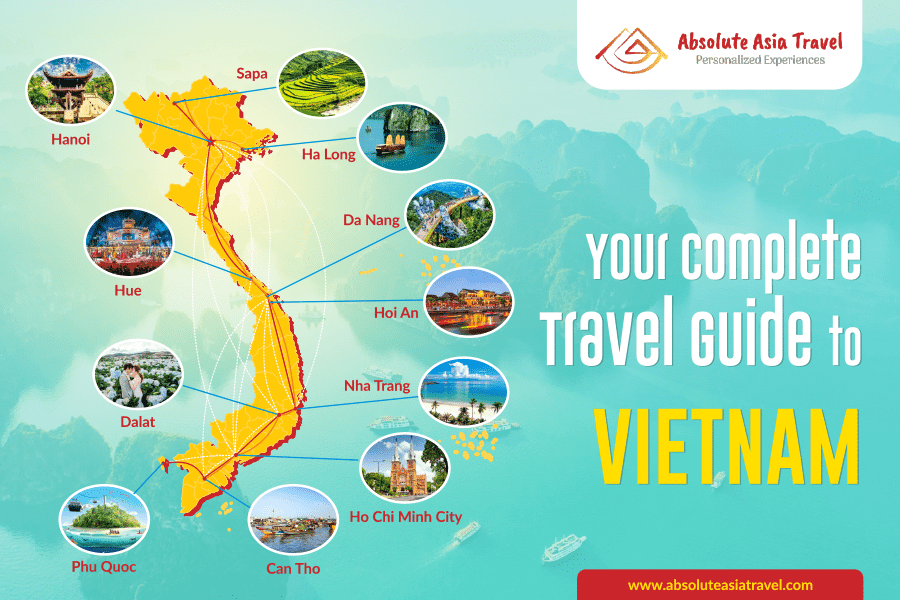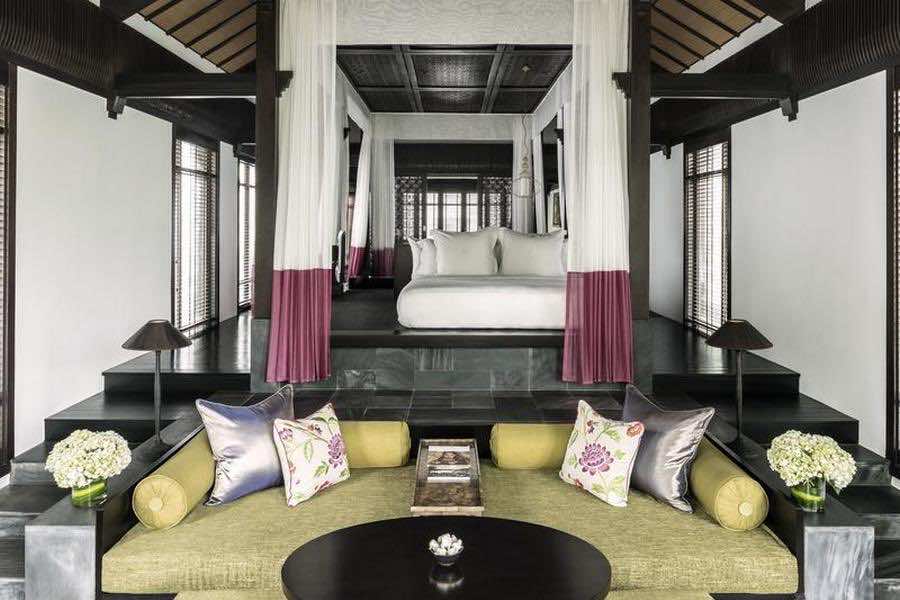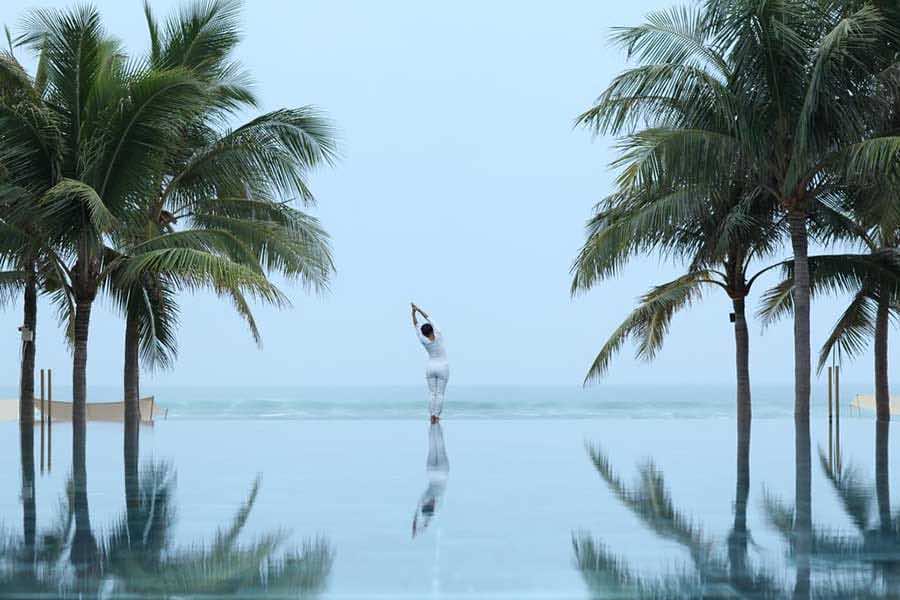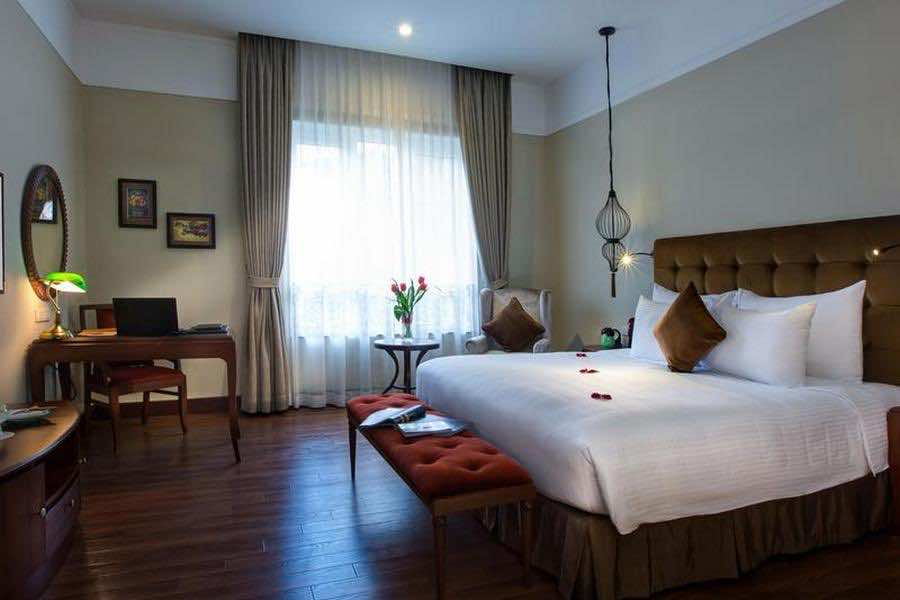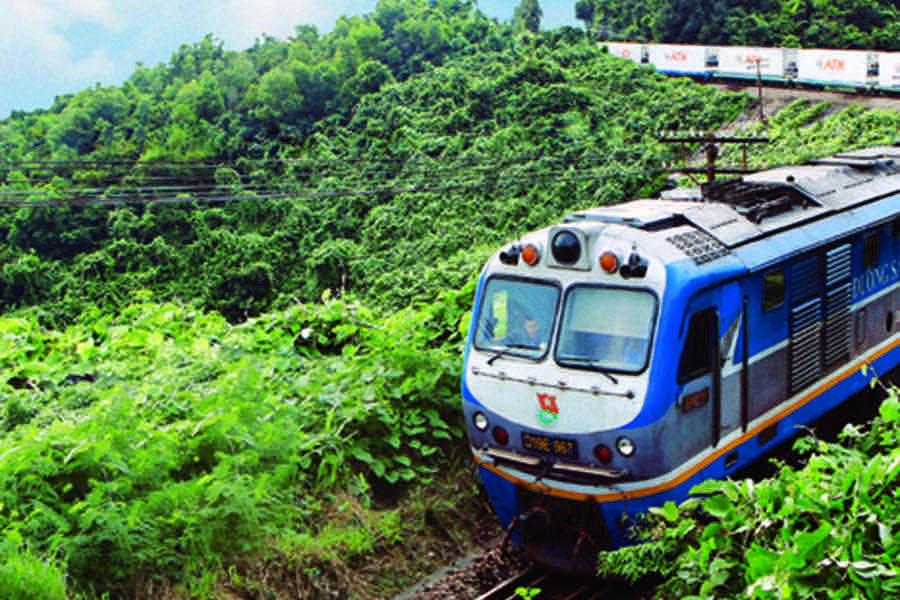
Are you dreaming of a wedding that’s not just a ceremony but an unforgettable adventure? Look no further than Destination Weddings in Vietnam! Vietnam, with its rich culture, stunning landscapes, and warm hospitality, is emerging as one of the top choices for couples seeking a unique and exotic destination for their special day. In this comprehensive guide, we’ll take you on a journey through the enchanting world of destination weddings in Vietnam, answering all your questions and helping you plan the wedding of your dreams.
Why Choose Vietnam for Your Destination Wedding?
Vietnam, often referred to as the “Land of the Blue Dragon,” is a mesmerizing blend of ancient traditions and modern allure. Here’s why you should consider Vietnam for your destination wedding:
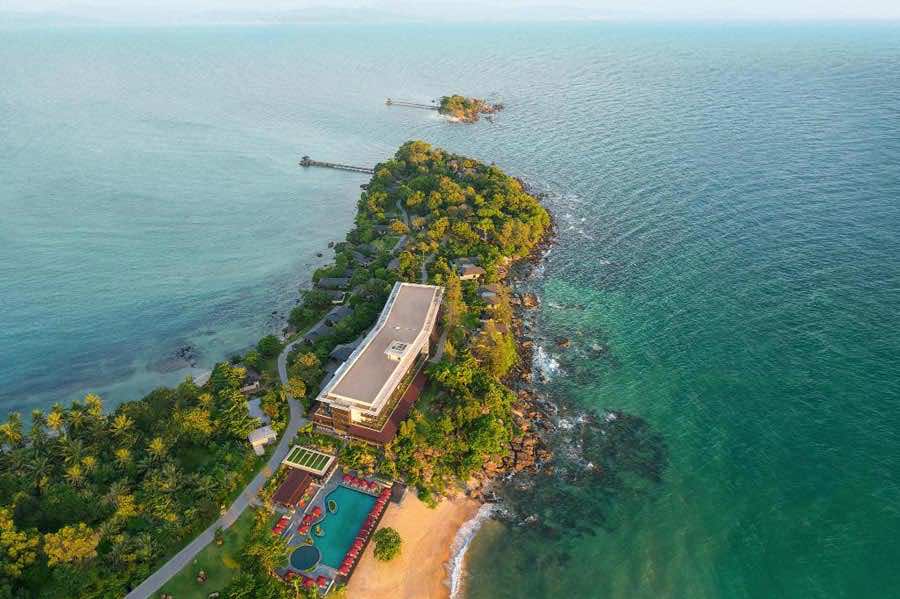
Exotic Beauty: Vietnam boasts diverse landscapes, from the lush greenery of the Mekong Delta to the stunning beaches of Phu Quoc Island, providing a picturesque backdrop for your wedding.
Cultural Riches: Immerse yourself in the vibrant culture of Vietnam, with its traditional ceremonies, exquisite cuisine, and warm-hearted locals.
Affordability: Compared to many other destination wedding hotspots, Vietnam offers excellent value for your money, allowing you to have a lavish celebration without breaking the bank.
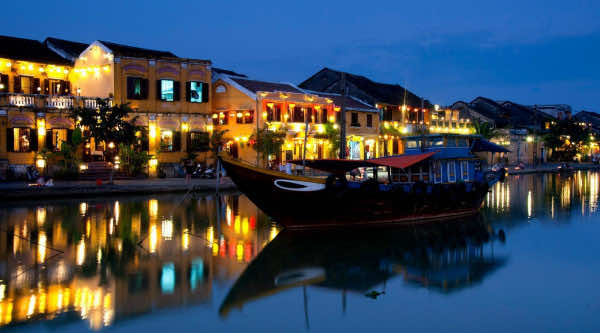
Unique Experiences: Treat your guests to unforgettable experiences like cruising along Halong Bay or exploring the ancient town of Hoi An.
Destination Weddings in Vietnam: Getting Started
How to Begin Planning?
Planning a destination wedding in Vietnam can be both exciting and challenging. Here are the initial steps to get you started:
Research: Begin by researching popular wedding destinations in Vietnam and decide which one resonates with your vision.
Budgeting: Establish a realistic budget that covers all aspects of your wedding, from travel expenses to accommodation and ceremony costs.
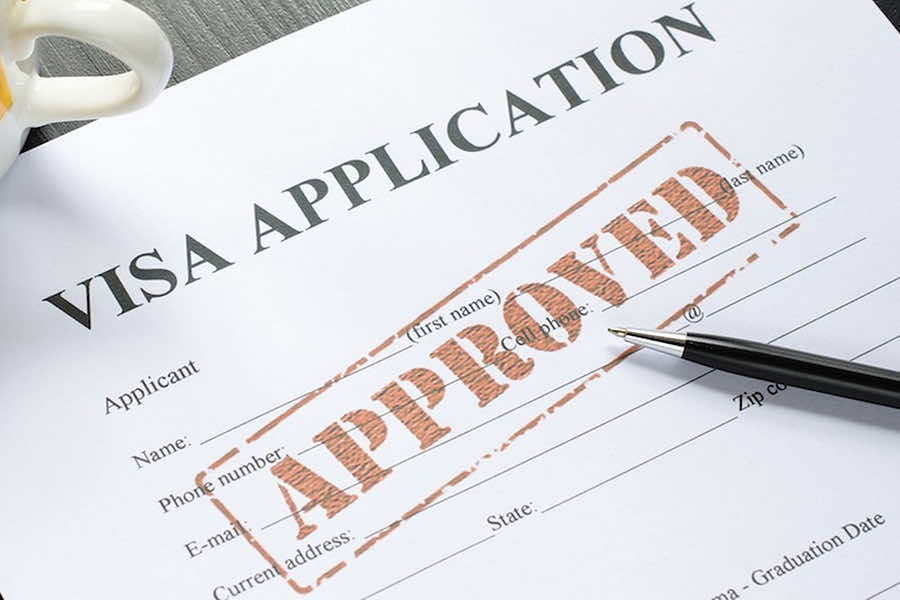
Legal Requirements: Familiarize yourself with the legal requirements for getting married in Vietnam, including necessary documentation.
Wedding Planner: Consider hiring a local wedding planner who can navigate the logistics and ensure a smooth celebration.
Choosing the Perfect Venue
Where to Say “I Do”?
Selecting the right venue is crucial for your destination wedding. Vietnam offers a variety of options:
Beachfront Bliss: Exchange vows with your toes in the sand at a beachfront resort in Da Nang or Nha Trang or Phu Quoc.
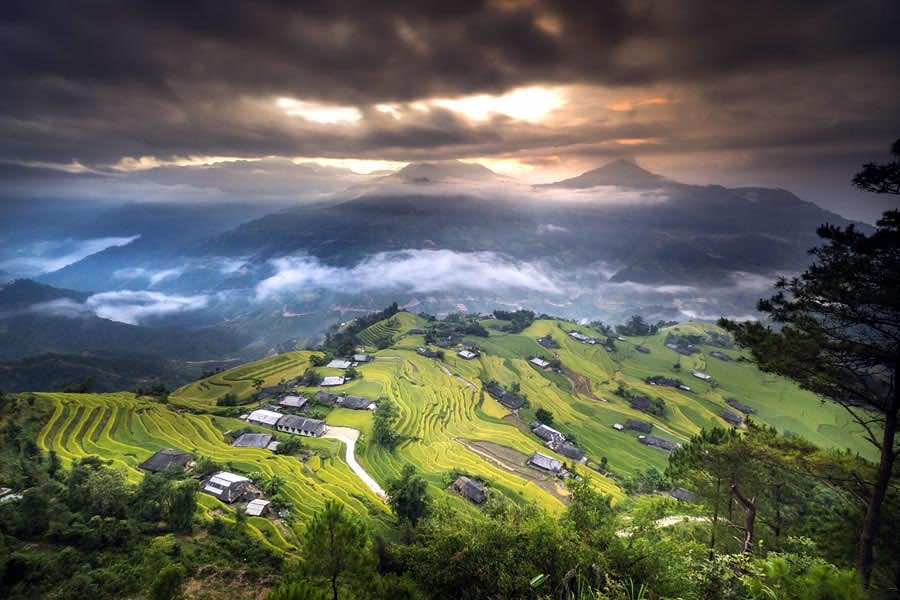
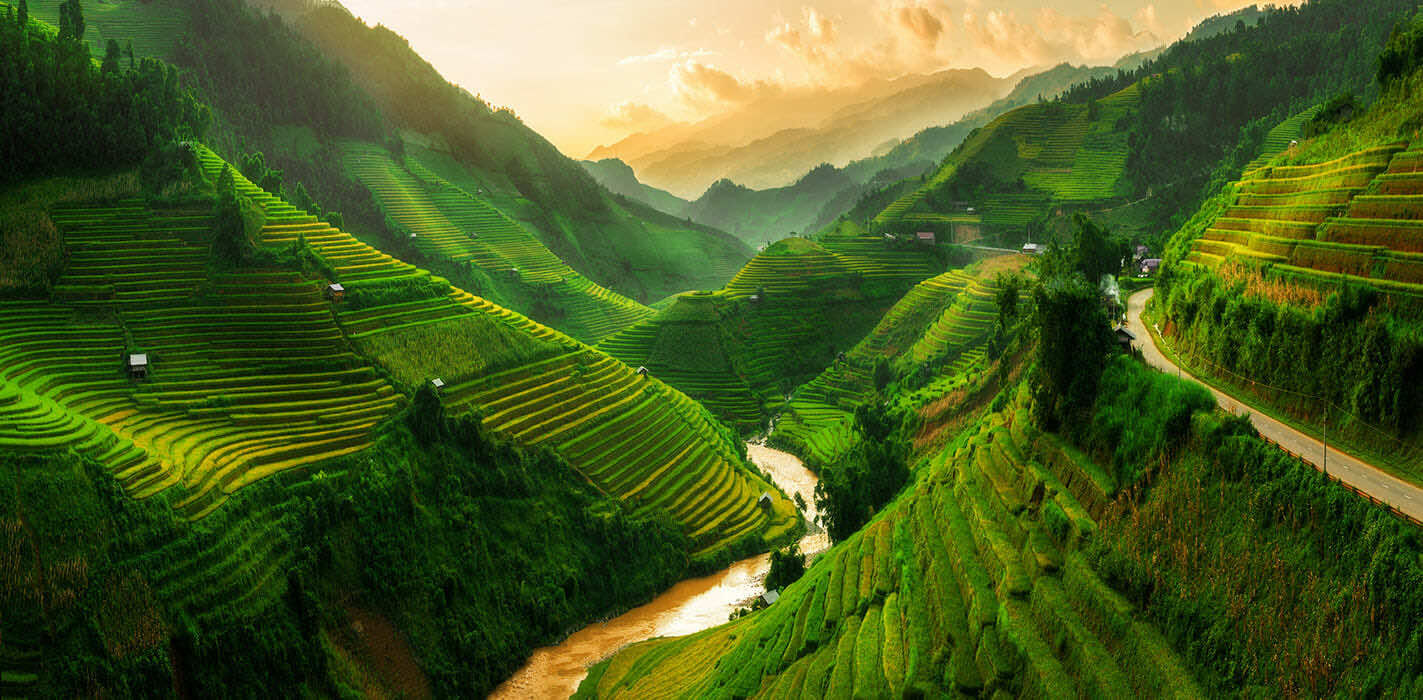
Rice Terrace Romance: Experience the magic of terraced rice fields in Sapa, Mai Chau or Pu Luong, a unique and rustic setting for a wedding.
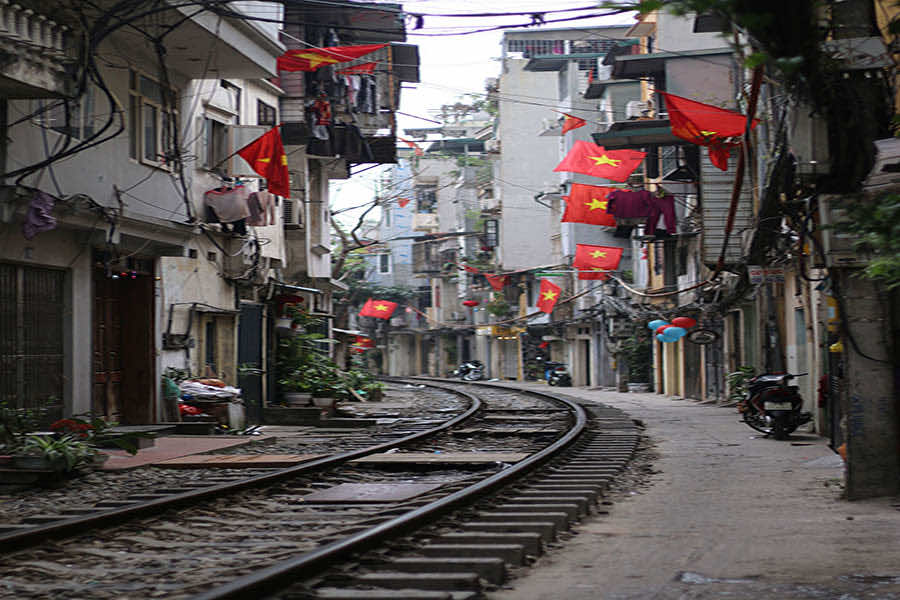
City Chic: Opt for a trendy urban wedding in Ho Chi Minh City or Hanoi or Danang, with rooftop venues offering panoramic views.
Cultural Charms: Embrace tradition at a historic pagoda or temple for a culturally rich ceremony.
Vietnam Wedding Packages
All-Inclusive or À La Carte?
When planning a destination wedding in Vietnam, you have two primary options for wedding packages:
All-Inclusive Packages: These packages cover everything from accommodation and catering to decorations and entertainment, ensuring a stress-free experience.
À La Carte Planning: If you prefer more control over the details, you can customize your wedding by choosing individual vendors and services.
The Perfect Time to Get Married in Vietnam
When Is the Ideal Season?
Vietnam experiences varying weather patterns throughout the year, so choosing the right season for your wedding is essential:
Spring (February to April): Mild temperatures and blooming flowers make it an excellent time for outdoor weddings.
Summer (May to August): Expect warm and humid weather, perfect for beach weddings.
Autumn (September to November): Pleasant weather with less rainfall, ideal for outdoor ceremonies.
Winter (December to January): Cooler temperatures, particularly in the north, may require indoor venues.
Destination Wedding Guest List
Who to Invite?
Creating your guest list for a destination wedding can be challenging. Consider the following:
Intimate Affair: Keep it small with close family and friends to ensure an intimate atmosphere.
Extended Invitation: If you have a larger guest list, be prepared for a smaller turnout, as not everyone can travel.
Guest Accommodations: Provide a list of recommended accommodations to make it easier for your guests.
Destination Weddings in Vietnam: FAQs
1. Are destination weddings in Vietnam legally recognized worldwide?
Yes, destination weddings in Vietnam are legally recognized, provided you fulfill the country’s legal requirements and obtain the necessary documentation.
2. How do I handle travel arrangements for my guests?
Consider working with a travel agent who can help your guests with flights, accommodation, and transportation within Vietnam.
3. Can I incorporate Vietnamese traditions into my wedding ceremony?
Absolutely! Many couples choose to include traditional elements like tea ceremonies and lantern releases in their wedding celebrations.
4. What is the average cost of a destination wedding in Vietnam?
The cost varies widely depending on your preferences and guest count. On average, couples spend between $10,000 to $30,000 for a destination wedding in Vietnam.
5. What are some popular Vietnamese dishes to include in the wedding menu?
Consider serving delicious Vietnamese dishes like pho, spring rolls, and banh mi to give your guests a taste of the local cuisine.
6. Is it necessary to hire a local wedding planner in Vietnam?
While it’s not mandatory, hiring a local wedding planner can be extremely helpful in navigating the logistics, language barriers, and cultural nuances.
Making Your Dream Wedding a Reality
Planning a destination wedding in Vietnam is an exhilarating journey filled with endless possibilities. With its breathtaking scenery, rich culture, and warm hospitality, Vietnam offers the perfect backdrop for a wedding that you and your guests will cherish forever.
So, are you ready to embark on this adventure of a lifetime? Say “I do” to Destination Weddings in Vietnam and create memories that will last a lifetime. Your dream wedding awaits in the heart of Southeast Asia!
Don’t miss out on the opportunity to make your dream wedding a reality in Vietnam. Start planning today, and let the magic of this enchanting country unfold on your special day.
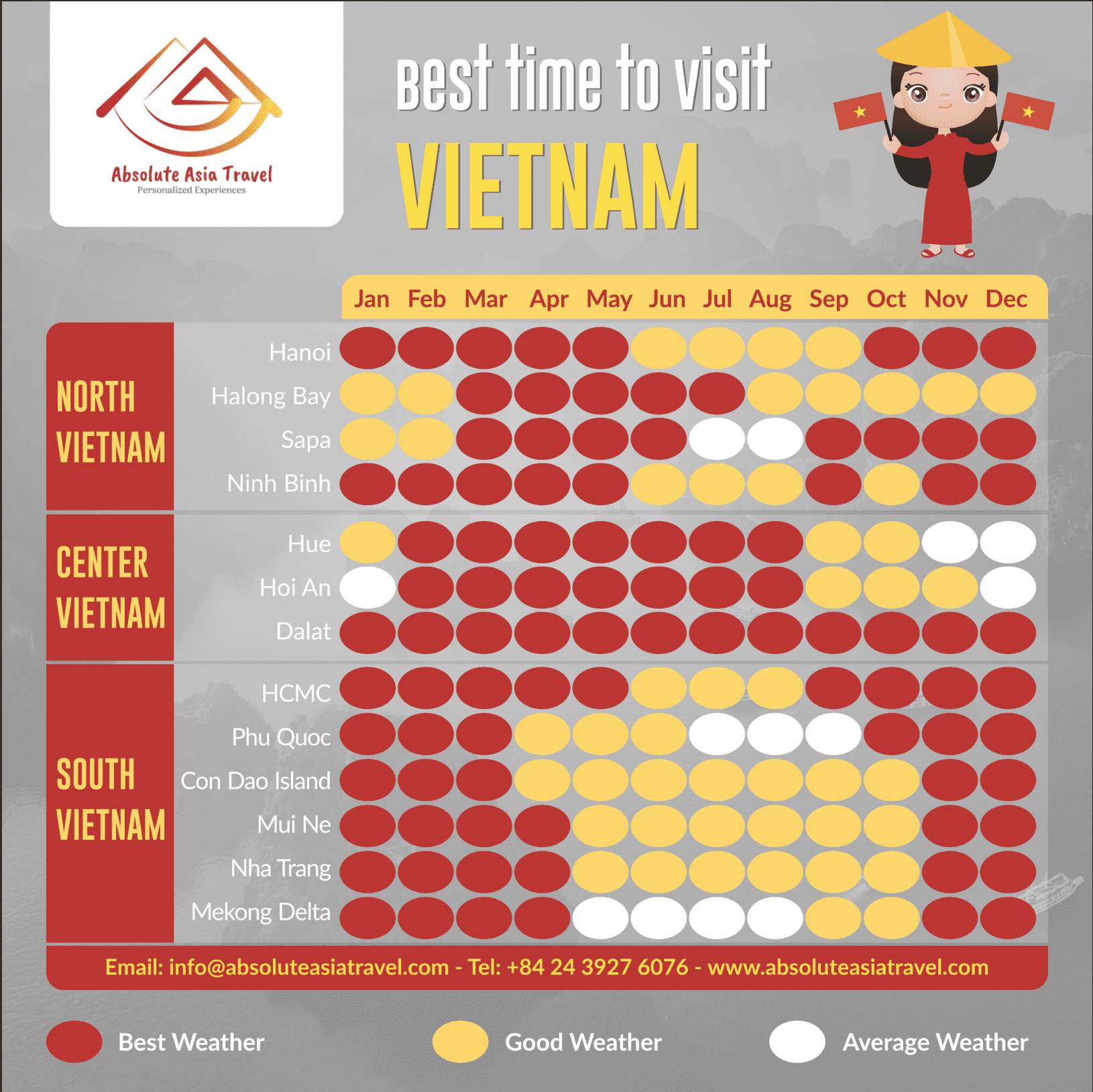
Vietnam is a beautiful Southeast Asian country with diverse landscapes, stunning beaches, historic sites, and mouthwatering cuisine. However, its weather can vary greatly depending on the region and time of year. So when is the best time to visit Vietnam for ideal weather conditions? This comprehensive guide examines Vietnam’s climate patterns and highlights the optimal times to travel for comfortable temperatures, minimal rain, and top experiences.
Overview of Vietnam’s Climate
Vietnam has a tropical monsoon climate consisting of two main seasons:
Dry season (November – April): Dry, sunny days with comfortable warm temperatures. The north can get cooler weather in winter. Low humidity and rain. Best for beach escapes and outdoor activities.
Wet season (May – October): Hot, humid, and rainy. Frequent downpours and storms. Some flooding possible. Beach days still possible between rains. Good for cultural city exploring.
The country also has diverse regional climates ranging from north to south. The weather varies greatly between mountainous, coastal, and inland areas. Pay attention to the local climate based on where you’re traveling.
Best Times to Visit Vietnam by Region
North Vietnam (Hanoi, Halong Bay, Sapa)
March – April, September – November: Pleasant spring and fall weather in the 20s°C/70s°F. Low humidity, comfortable temperatures for sightseeing.
December – February: Can get chilly, grey, and damp. Average around 17°C/63°F. Bring warm layers for Hanoi and Sapa.
May – August: Hottest and rainies months. High humidity. Frequent storms. Low season for tourism.
The north has a cooler, drier winter than the south. Spring and fall are ideal for outdoor activities. Winters are still mild compared to other countries.
Central Vietnam (Hue, Hoi An, Danang)
February – August: Sunny, dry weather ideal for beaches. Highs of 30°C/86°F. Hottest from June – August. Sea breezes provide relief.
September – January: Can have heavy rain, flooding, and storms. More overcast days. Low to mid 20s°C/70s°F.
Central Vietnam has a tropical climate ideal for beach escapes like Danang. Avoid the fall monsoon season.
South Vietnam (Ho Chi Minh City, Mekong Delta)
December – April: Driest months with low humidity. Highs of 30°C/86°F. Comfortable for city exploring and countryside.
May – November: Hot with high humidity. Frequent downpours. Flooding possible. Low 30s°C/90s°F. Go between rain showers.
The south stays hot and humid year-round though winter has less rain. The dry season is best for outdoor activities.
Travel Tips for Vietnam’s Wet Season
Vietnam’s wet season from May to October can still be a great time to visit if you plan accordingly:
Check forecasts: Monitor weather reports to plan around daily rain patterns. Go out in mornings before showers start.
Have wet weather gear: Bring rain jackets, umbrellas, waterproof bags to stay comfortable and dry.
Choose indoor activities: Enjoy museums, temples, shops, and malls when it’s pouring. Take a cooking class or spa day.
Stay in cities: Hanoi, Ho Chi Minh and Hue offer plenty to do indoors and in covered attractions
Look for hotel deals: Wet season brings lower prices on hotels. Score some deals!
Embrace the rain: Slow down and enjoy reading in a cafe. Nap, catch up on sleep, and recharge during storms.
Check for floods: Research if your destination is prone to flooding and travel with caution.
With flexibility, a positive attitude, and good preparation, a trip in wet season can still be rewarding. You’ll enjoy lower prices and smaller crowds too.
Key Events and Festivals by Month
Vietnam hosts exciting festivals and events throughout the year. Time your travels around these special occasions:
January – February: Tet Lunar New Year celebrations with parades, fireworks and family time. A festive period but many businesses closed.
March – April: Huế Festival with art, music, costume parades, circus, theater, and street performances.
May: Reunification Day on 30th April with events nationwide.
June: Summer Solstice Festival in Da Nang with colorful parades and costumes.
July – August Wandering Souls Day with candles and offerings to lost loved ones.
September: Mid-Autumn Festival with lion dances, lantern displays, mooncakes and children’s parades. Chúc Mừng năm mới!
December: Christmas festivities in Ho Chi Minh City and Da Lat with sparkling lights and festive vibes.
FAQs on the Best Time to Visit Vietnam
Still deciding when to plan your Vietnam travels? Here are answers to common questions on Vietnam’s weather:
When are the warmest months in Vietnam?
The hottest period is from June – August in the lead up to the wet season. Temperatures average in the 30s°C/90s°F nationwide. The south stays hot year round.
When is the best time to visit Vietnam beaches?
Most ideal beach weather is from February to August along central and southern coasts. Expect dry sunny days with highs around 30°C/86°F. Late winter has cooler ocean temps.
When should I avoid visiting Vietnam?
The worst time is during the peak wet season months of September – November when heavy rain, flooding, and storms are likely nationwide. Travel with flexibility if visiting this time.
What months are best for a Vietnam honeymoon?
Romantic beach escapes are prime from February to April. Trekking adventures in the north are best from March to May and September to November.
When should I visit Sapa in northern Vietnam?
Visit Sapa between late March and June to hike among lush rice terraces and stay in cooler highland weather. Or go September to November to enjoy fall foliage and winter chill. Avoid July – August downpours.
What is the rainy season in Ho Chi Minh City and the south?
The wettest time in the south is May to November. However, rain showers typically pass quickly leaving plenty of dry days too. Come prepared with wet weather gear.
Final Thoughts
To conclude, the best times to visit Vietnam based on pleasant weather are spring (March – April) and fall (September – November) when you’ll find lower humidity, moderate temperatures ideal for activities, and fewer rainy days nationwide. The dry winters are slightly cooler in the north but still comfortable. Summers tend to be hot, steamy, and wet which is manageable by planning indoor activities between rain showers which typically pass quickly.
Wherever you decide to travel in Vietnam, research the local monthly climate averages to know what to expect. Come prepared with appropriate clothing and gear, plan for wet weather contingencies, and keep a flexible schedule to modify plans around daily conditions. With some strategic trip planning, you can have an amazing experience any time in the paradise of Vietnam.
Embarking on a journey to Vietnam with your beloved is a dream come true for many couples. The allure of breathtaking landscapes, rich cultural experiences, and delectable cuisine beckons lovebirds from India to explore this Southeast Asian gem. However, before you set foot on Vietnamese soil, it’s essential to plan your budget meticulously to make the most of your romantic escapade. In this guide, we’ll break down the Vietnam trip cost from India for couples, ensuring your adventure is both memorable and budget-friendly.
Vietnam Trip Cost from India for Couple: A Detailed Breakdown
Flights: Your Gateway to Vietnam
The first step to any international adventure is securing your flights. The cost of airfare can significantly impact your overall budget.
Vietnam offers several international airports to choose from, with Hanoi and Ho Chi Minh City being the most popular entry points for Indian travelers. The price of your flights will vary depending on factors such as the time of booking, travel dates, and airline preferences.
Pro Tip: To snag the best deals, consider booking your flights well in advance, and be flexible with your travel dates.
Accommodation: Where Comfort Meets Budget
Your choice of accommodation plays a pivotal role in determining the overall cost of your Vietnam trip.
Vietnam offers a wide range of lodging options, from luxurious resorts to budget-friendly hostels. Couples seeking comfort without breaking the bank can find charming boutique hotels and guesthouses that offer excellent value for money. On average, you can expect to spend between INR 2,000 to INR 6,000 per night on accommodation, depending on your preferences.
Pro Tip: Explore online booking platforms for discounts and read reviews to ensure a comfortable stay.
Dining: Savoring Vietnamese Delights
Apart from many Indian restaurants you can find in big cities, the highlight of any trip to Vietnam is indulging in its delectable cuisine.
Vietnam is a paradise for food enthusiasts, offering a plethora of affordable dining options. You can relish local street food for as low as INR 100 per meal or enjoy a romantic dinner at a mid-range restaurant for INR 1,000 to INR 2,000 per person. Be sure to try iconic dishes like pho, banh mi, and fresh spring rolls.
Pro Tip: Venture into local markets and street stalls to savor authentic flavors without burning a hole in your pocket.
Transportation: Navigating Vietnam’s Beauty
Getting around Vietnam efficiently is crucial to explore its stunning landscapes and vibrant cities.
Vietnam offers various transportation modes, including buses, trains, and scooters. Opt for public buses for economical city travel, while overnight trains are a unique and cost-effective way to cover longer distances. Renting a scooter can also be an exciting way to explore, with daily rates ranging from INR 300 to INR 600.
Pro Tip: Download local transportation apps for hassle-free navigation and negotiate prices when using taxis or ride-sharing services.
Sightseeing: Discovering Vietnam’s Charms
No trip to Vietnam is complete without exploring its captivating attractions.
Vietnam boasts a wealth of natural wonders, historical sites, and cultural treasures. While some attractions are free, others require an entrance fee, typically ranging from INR 100 to INR 500 per person. Popular destinations like Ha Long Bay, Sunworld Ba Na Hills in Danang and the Cu Chi Tunnels may have higher fees.
Pro Tip: Prioritize your must-visit places and plan your budget accordingly to strike a balance between exploration and cost.
Miscellaneous Expenses: Souvenirs and Experiences
It’s the little things that make a trip memorable, like souvenirs and immersive experiences.
Budget for souvenirs, such as handicrafts and traditional clothing, which can range from INR 500 to INR 2,000 per item. Consider joining cooking classes, city tours, or cultural performances to enrich your Vietnam experience, with prices varying.
Pro Tip: Allocate a portion of your budget for these extras to create lasting memories of your journey.
Currency Exchange: Managing Your Finances
Understanding currency exchange rates is crucial to managing your expenses effectively.
The official currency in Vietnam is the Vietnamese Dong (VND), and it’s advisable to exchange some currency upon arrival for small expenses. You can exchange your Indian Rupees (INR) at banks or currency exchange counters, with favorable rates in major cities.
Pro Tip: Use local ATMs for larger withdrawals to minimize currency exchange fees.
Frequently Asked Questions (FAQs)
Is Vietnam a budget-friendly destination for Indian couples?
Absolutely! Vietnam offers a wide range of budget-friendly options for accommodation, dining, and transportation, making it an ideal destination for couples on a budget.
What is the best time to visit Vietnam to get the most value for my money?
The best time to visit Vietnam on a budget is during the shoulder seasons, which are spring (February to April) and autumn (September to October). During these periods, you can enjoy pleasant weather and lower prices on flights and accommodations.
How can I save on transportation costs in Vietnam?
To save on transportation, consider using local buses, trains, and scooters for shorter distances. Booking transportation in advance and traveling during non-peak hours can also help you secure better deals.
Are there affordable adventure activities for couples in Vietnam?
Yes, Vietnam offers various affordable adventure activities, such as trekking in Sapa, kayaking in Ha Long Bay, and exploring the Mekong Delta. These experiences can be enjoyed without breaking the bank.
Can I use credit cards in Vietnam, or should I carry cash?
While credit cards are accepted in larger cities and tourist areas, it’s advisable to carry some cash, especially in rural areas and local markets. Many small vendors prefer cash payments.
Is haggling common in Vietnam, and how can I do it effectively?
Haggling is common in Vietnam, especially in markets and with street vendors. To haggle effectively, start with a lower price, smile, and be polite. It’s all part of the shopping experience.
Conclusion
Planning a Vietnam trip from India for couples is an exciting endeavor that promises unforgettable moments. By understanding the nuances of Vietnam’s cost of living, you can ensure a budget-friendly yet romantic adventure. From flights to accommodation, dining to sightseeing, and everything in between, this guide equips you with the knowledge to make your dream journey a reality. So, pack your bags, embrace the vibrant culture, and create cherished memories with your beloved in the enchanting land of Vietnam.
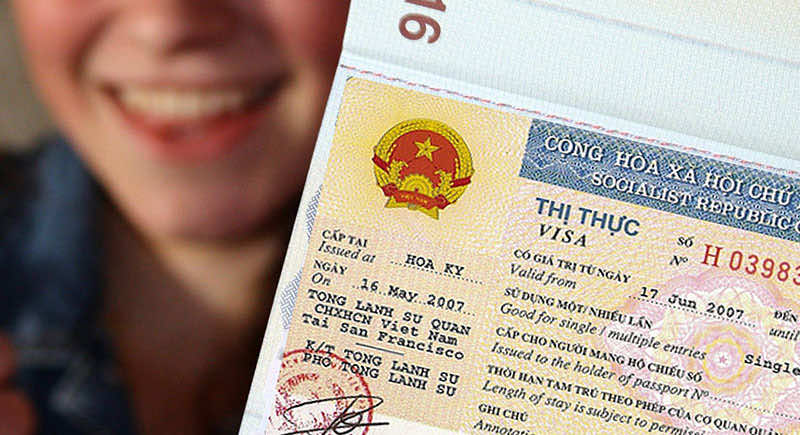
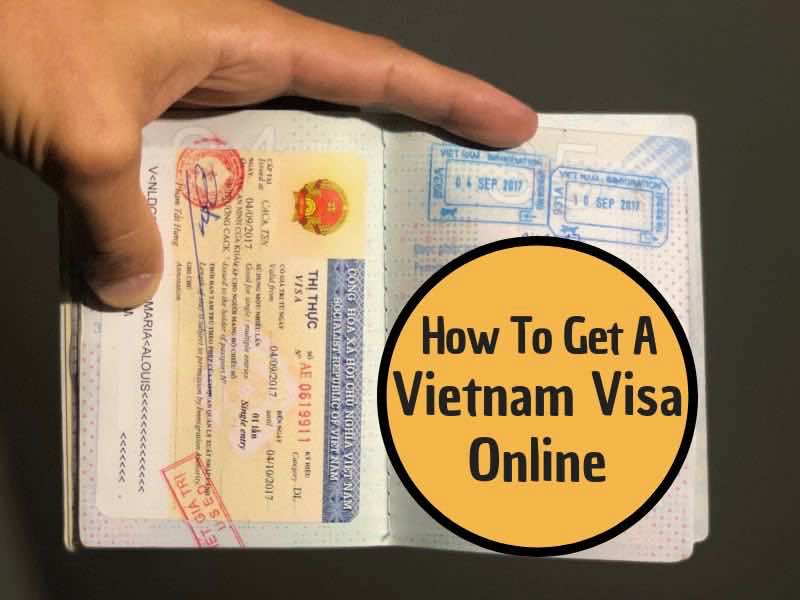
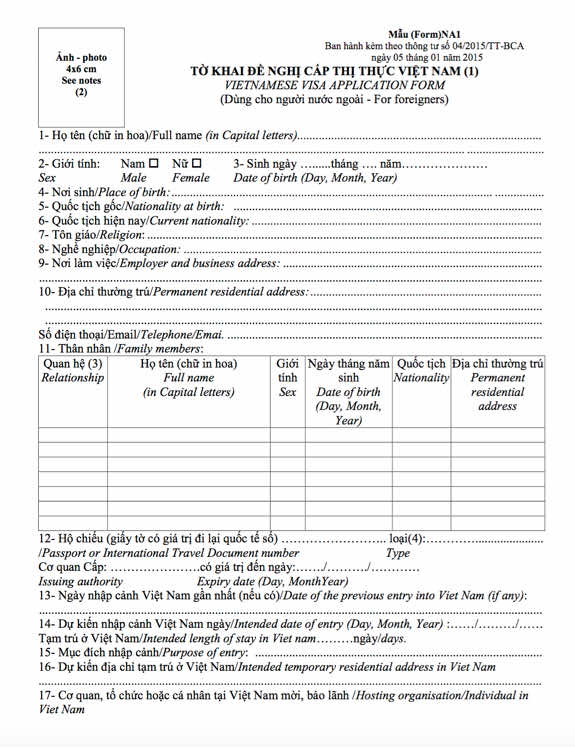
Vietnam’s e-Visa is a simple, online visa approval process available to citizens from all countries. Payment and delivery of the e-Visa is done entirely online, and it takes three working days. You will find everything you need to know about applying for Vietnam’s e-Visa in this article.
Recent visa policy changes – officially approved on 14 August 2023 as below:
3 month multiple entry visas will be available from 15 August 2023.
Citizens from all countries are now eligible for the e-visa program.
09 more ports of entry have been added to the list of eligible Entry/Exit points.
Effective from 15 August, 2023, regular passport holders of 13 countries will be exempt from visa requirements for Vietnam for 45 days instead of 15 days.
What is Vietnam’s e-Visa?
Vietnam’s e-Visa is one of several visa types offered by the Vietnam Immigration Department to foreigners entering the country. The e-Visa is valid for 90 days, and single entry and multiple entry. The single entry e-Visa costs US$ 25 per person. The multi-entry costs and US$ 50 per personfor card payments. It requires three full working days to process. As of July 2020, Vietnam’s e-Visa is available to nationals of 80 countries. From March 15, 2022, when Vietnam reopened to international travellers, it is available again to nationals of 80 countries
International travellers can apply directly at Official website of Vietnam Immigration Department for e-Visas at: Vietnam e-Visa Official Website
Foreigners with e-visas are allowed to enter Vietnam via
13 international airports: Noi Bai (Ha Noi), Tan Son Nhat (Ho Chi Minh City), Cam Ranh (Khanh Hoa), Da Nang, Cat Bi (Hai Phong), Can Tho, Phu Quoc (Kien Giang), Phu Bai (Thua Thien Hue), Van Don (Quang Ninh), Tho Xuan (Thanh Hoa), Dong Hoi (Quang Binh), Phu Cat (Binh Dinh), Lien Khuong (Lam Dong).
16 land border gates: Tay Trang (Dien Bien), Mong Cai (Quang Ninh), Huu Nghi (Lang Son), Lao Cai, Na Meo (Thanh Hoa), Nam Can (Nghe An), Cau Treo (Ha Tinh), Cha Lo (Quang Binh), La Lay and Lao Bao (Quang Tri), Bo Y (Kon Tum), Moc Bai and Xa Mat (Tay Ninh), Tinh Bien and Vinh Xuong (An Giang), Ha Tien (Kien Giang).
13 sea border gates: Hon Gai and Cam Pha (Quang Ninh), Hai Phong, Nghi Son (Thanh Hoa), Vung Ang (Ha Tinh), Chan May (Thua Thien Hue), Da Nang, Nha Trang (Khanh Hoa), Quy Nhon (Binh Dinh), Dung Quat (Quang Ngai), Vung Tau (Ba Ria – Vung Tau), Ho Chi Minh City, Duong Dong (Kien Giang).
Vietnam E-visa and its requirements
A passport with six (6) months’ validity
A photo in .jpg format of your full passport data page
A passport-size photo in .jpg format (4×6 cm, white background, without glasses)
A valid international credit or debit card
An email address for support purposes and getting e-visa granted
A temporary address within Vietnam (your first hotel address)
Your entry and exit dates and entry and exit points/airports
Vietnam E-visa official websites
The Public Service Portal – Ministry of Public Security is the official website for Vietnam evisa.
The eVisa for Vietnam will be applied through either of the following 2 official links, depending on who submits the application:
Other websites with evisa service are commercial ones that will work on your information, submit your evisa application via this official website, speed up your evisa processing (if required), track your evisa status, download the evisa letter, and send it to your email.
Upload .jpg images of your passport data page and passport-size photo
Fill up all required info from your passport data page
Fill up all required info regarding your trip
Pay the e-Visa fee using any of the payment methods offered
Receive your registration code and save the number
Important note: Be sure to save your registration number – you will need it to check and download your e-visa later on
Where to Download Your Vietnam e-Visa
After applying for your e-Visa online, you’ll need to wait three working days for your visa to be granted. After three days, you may search for your visa at this link or at this link
Enter your registration code, email, and date of birth to gain access to your e-visa. Download the .pdf file and print your e-Visa in two copies for safety and keep it handy when travelling. If three working days have passed and your visa is still unavailable, email Vietnam’s e-Visa Support at this page. Alternatively, contact your travel agency and ask them for help with checking.
How to Use Your e-Visa in Vietnam
Your e-Visa is valid for entry at any of 33 international checkpoints within the country, including eight international airports. For the full list of airports, seaports and border crossings where the e-Visa is accepted, please click here.
Upon arrival in Vietnam, submit your passport and your printed e-Visa at the immigration counter.
Important note: Keep your printed e-Visa to show at check-in for your flight to Vietnam
Most Frequently Asked Questions about e-Visas to Vietnam
+ What if my name is too long or includes special characters?
Write your full name as it appears in the ICAO line of your passport data page.
+ What if I want to enter Vietnam before my e-Visa validity period?
You must completea new e-Visa application. The previous e-Visa application will be cancelled once the new e-Visa is issued
+ Can I enter Vietnam after the entry date on my application?
Your visa is valid from the start to end dates specified. You can enter the country any time within those dates.
+ Do I need to queue at the Visa on Arrival counter in Vietnam?
You do not need to queue at Visa on Arrival counters. You can bring your printed e-Visa and passport directly to the immigration counter.
We wish you good luck with your application and sincerely hope that your trip to Vietnam is once in a lifetime.
Over the past years, Vietnam has emerged as a premier tourist destination in Southeast Asia, with an estimated 18 million international arrivals in 2019. The number is only expected to rise – and for a number of good reasons. The country is renowned for its colorful history, diverse culture and quintessential natural landscapes.
If you are planning to visit, an illustrated guide will prove handy. This post is packed with all the important information so you don’t have to spend a lot of time researching online and browsing multiple websites. We have done much of the work for you and we are extremely proud of this comprehensive article as it will serve as a valuable resource to anyone who wishes to visit Vietnam.
Part I. Travel Visa
Recent visa policy changes – officially approved on 14 August 2023 as below:
3 month multiple entry visas will be available from 15 August 2023.
Citizens from all countries are now eligible for the e-visa program.
09 more ports of entry have been added to the list of eligible Entry/Exit points.
Effective from 15 August, 2023, regular passport holders of 13 countries will be exempt from visa requirements for Vietnam for 45 days instead of 15 days.
1. Do you need a Visa to go to Vietnam?
Vietnam offers visa exemptions to tourists from 13 countries and e-Visas to tourists from all countries. Travelers can also apply for a visa on arrival online or in person at a Vietnamese embassy or consulate.
2. Visa Exemptions
Vietnam’s new visa policy effective from 15th August 2023 extends stay duration for 13 countries enjoying unilateral visa exemption from 15 days to 45 days, regardless of passport type and entry purpose. The 13 coutries include: Germany, France, Italy, Spain, the UK, Russia, Japan, Republic of Korea, Denmark, Sweden, Norway, Finland and Belarus.
Below is the full list of 25 countries +Kazakhstan that are exempted from visa requirement:
Brunei, Myanmar, Belarus, Denmark, Finland, France, Germany, Italy, Japan, Norway, Russia, South Korea, Spain, Sweden, The UK, The Philippines, Cambodia, Indonesia, Kyrgyzstan, Laos, Malaysia, Singapore, Thailand, Chile, Panama.
Notes on Exemptions:
The exemptions listed above are valid until Dec. 31, 2025.
Pro Tip: + All nationalities traveling directly to Phu Quoc Island can visit for 30 days visa-free. You just need to show an outbound ticket on arrival in Vietnam. + If you enter Phu Quoc and then travel to the mainland, you will need to apply for an e-visa/visa to Vietnam. The best way is to apply for evisa/visa in advance and you will need to show your e-visa/visa on arrival at Phu Quoc International aiport for eligible stamp on your passport to visit the mainland later on. If you fail to do so, you might have to apply for a different visa and the procedure would be more complicated.
3. e-Visa Requirements
The e-Visa is one of several visa types offered by the Vietnam Immigration Department to foreigners entering the country. It is valid for 90 days and single entry and multiple entry. It costs US$25 for single entry and US$50 for multiple entry for card payments and requires at least three working days to process.
Foreigners with e-visas are allowed to enter Vietnam via
13 international airports: Noi Bai (Ha Noi), Tan Son Nhat (Ho Chi Minh City), Cam Ranh (Khanh Hoa), Da Nang, Cat Bi (Hai Phong), Can Tho, Phu Quoc (Kien Giang), Phu Bai (Thua Thien Hue), Van Don (Quang Ninh), Tho Xuan (Thanh Hoa), Dong Hoi (Quang Binh), Phu Cat (Binh Dinh), Lien Khuong (Lam Dong).
16 land border gates: Tay Trang (Dien Bien), Mong Cai (Quang Ninh), Huu Nghi (Lang Son), Lao Cai, Na Meo (Thanh Hoa), Nam Can (Nghe An), Cau Treo (Ha Tinh), Cha Lo (Quang Binh), La Lay and Lao Bao (Quang Tri), Bo Y (Kon Tum), Moc Bai and Xa Mat (Tay Ninh), Tinh Bien and Vinh Xuong (An Giang), Ha Tien (Kien Giang).
13 sea border gates: Hon Gai and Cam Pha (Quang Ninh), Hai Phong, Nghi Son (Thanh Hoa), Vung Ang (Ha Tinh), Chan May (Thua Thien Hue), Da Nang, Nha Trang (Khanh Hoa), Quy Nhon (Binh Dinh), Dung Quat (Quang Ngai), Vung Tau (Ba Ria – Vung Tau), Ho Chi Minh City, Duong Dong (Kien Giang).
Vietnam e-Visa Requirements:
A passport with six (6) months’ validity
A photo in .jpg format of your full passport data page
A passport photo in .jpg format (4×6 cm, white background, without glasses)
A valid international credit or debit card
An email address for support purposes
A temporary address in Vietnam
Your entry and exit dates and entry and exit points/airports
Step 3: Upload your .jpg images (passport data page and passport photo) and fill out the required fields on the form.
Step 4: Pay the e-Visa fee of US$ 25 for single entry visa or US$50 for multiple entry visa using any of the payment methods offered. Copy the document code provided. This fee is not refunded if your application is refused or your visa letter contains any wrong details that have been provided by you in the application form.
Step 5: Within three working days you will receive an email about your e-Visa application. Use your document code to locate your e-Visa online. Download and print the e-Visa in two copies for safety.
ProTip: Tourists with an e-Visa do not need to queue at Visa on Arrival counters. You can go directly to the immigration counter at your point of entry.
3. Vietnam E-visa official website
The Public Service Portal – Ministry of Public Security is the official website for Vietnam evisa.
The eVisa for Vietnam will be applied through either of the following 2 official links, depending on who submits the application:
Other websites with evisa service are commercial ones that will work on your information, submit your evisa application via this official website, speed up your evisa processing (if required), track your evisa status, download the evisa letter, and send it to your email.
4. Vietnam Visa on Arrival
If you want a multiple-entry visit or a stay that would last more than 30 days, you may want to apply for a visa on arrival. You will need the following:
A 4×6 passport photo (white background and no glasses)
A passport or substitute ID valid for six (6) months from the date you plan to visit Vietnam
Payment (US$25 per person for single entry or US$50 per person for multi-entry) for visa fees
A Letter of Approval from a Vietnamese embassy or consulate (if you will pick up your visa at the airport)
If you are located close to a Vietnamese embassy or consulate, you may submit your application form, passport, photo, and visa fee in person.
If you are short on time or a Vietnamese embassy is far from your location, there are reputable online services that can provide a valid Letter of Approval for a fee. Bring this letter along with your visa application form and other documents to the Visa on Arrival counter at the airport when you arrive.
Part II. Best Time to Visit
There is really no right or wrong time to visit Vietnam because for much of the year there’s both sunshine and rain in different quantities. Vietnam has more than 2000 miles of coastline and three varying weather systems. You can think of the country as having three separate tourist destinations when it comes to the weather.
In Hanoi and the north, May to October is hot and humid, while November to April is cool and dry. In Central Vietnam, the weather is hot and dry between January and August when temperatures can rise to mid-30°C. Heavy rains tend to pour in the months of September, October and November. The southern region is generally hot and dry from November to April, and a bit warm and wet between May and October, with high precipitation in June, July and August.
1. Weather by Region and Season
Far North (Sapa, Bac Ha, Mu Cang Chai, and Ha Giang)
The climate in Sapa and the northwest region is divided into two seasons: the wet season runs from April to September, while the dry season lasts from October to late March. It can get extremely cold in December and January, especially in the evening.
The best time to visit the northeast is during the dry season, which runs from October to April. December and January can get very cold. Try to avoid travel during the rainy season, from May to September.
North Vietnam (Hanoi, Halong Bay, Cuc Phuong, Mai Chau and Ninh Binh)
North Vietnam, including the capital Hanoi, has a summer and winter season. The latter is generally cool but mostly dry and lasts from November to April. The coldest months are January, February and March, with average temperatures of 17-22°C .
Summer is from from May to October. It is hot and humid, and it is during this time when the region has its highest rainfall. July to September are frequently the wettest months, during which inclement weather can prevent cruises in Halong Bay.
**Central Vietnam (**Danang, Dalat, Hoi An, Hue, Nha Trang and Quy Nhon)
Danang, Hoi An and Hue have hot and dry weather that lasts from mid-January to late August. During this period temperatures often rise to mid-30°C. Winter sees an increase in rainfall, with October and November being the wettest.
Hue is usually cooler than Hoi An, particularly early in the year. The coastal city of Quy Nhon shares a similar weather pattern to Hoi An but the dry season lasts a little longer because of its proximity to the southern system.
Dalat, in the Central Highlands, is wet from June to October. It is far drier from November to May, and cold from December to January.
The coastal resort city of Nha Trang in the far south of Central Vietnam has a longer dry season that runs from January to September. The rainy season lasts from October to December, with approximately 50 percent of the annual rainfall pouring in October and November.
South Vietnam (Ho Chi Minh City, Phu Quoc and Con Dao, The Mekong Delta, Phan Thiet and Mui Ne, Ho Tram and Long Hai)
Temperatures remain constant throughout the year, usually ranging from 25 to 35°C. The climate is split into two seasons: wet and dry. The latter starts in November and ends in April or early May. It is slightly hotter and more humid from late February to May. The wet season lasts from May to November, with June, July and August receiving the most rainfall.
In the far south, Phu Quoc and Con Dao often see sunny days so both islands can be enjoyed year-round.
Part III. Holidays & Special Events
1. Tet Nguyen Dan – the Vietnamese Lunar New Year
Tết is the most important celebration in Vietnamese culture. It is also known as the Vietnamese New Year, Vietnamese Lunar New Year or Tet Holiday. It is the shortened form of Tết Nguyên Đán, which is the Sino-Vietnamese term for “Feast of the First Morning of the First Day”.
Tết marks the arrival of spring and generally takes place from late January to mid-February. Since a lot of people return home to celebrate the holiday with friends and family, the busy cities clear out and become almost like ghost towns.
Tết can be an exciting time to visit Vietnam, but it is also the busiest time of the year to be there. The festivities will definitely have a huge impact on your travel plans. Markets and shopping malls become busier and hotels get booked. Popular beach destinations and tourist spots like Hoi An have more sightseers than usual.
It can become incredibly noisy though. Cities will have fireworks everywhere, people will be making noise by banging gongs, ringing bells, and lighting firecrackers to scare away evil spirits that bring bad luck. The revelry typically lasts for three days, although in some areas it could drag on for more than a week. The first day of Tet is normally spent with family, the second day is for catching up with friends, and the third day is dedicated to teachers and visiting temples.
Traveling during this holiday season can pose some difficulties. Buses and trains are sold out in advance so travel itineraries can’t wait until the last minute. Museums, shopping areas, and other commercial establishments can be closed for up to five days and this can affect sightseeing plans. See to it that you have things to do to keep you occupied.
Pro Tip: Plan well in advance as hotels and domestic flights might be fully booked already. Please bear in mind that tour guide fee and transportation fees are often increased during this period due to high demand.
Dates for Tet in Vietnam:
2022: February 1-4
2023: January 22-26
2024: February 10-14
2. Hue Festival
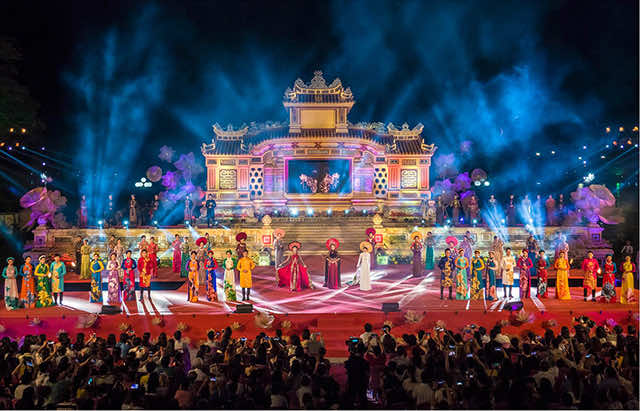
This is a big biennial festival that takes place in the city of Hue, where you can enjoy a wide variety of games, cultural events, and performances held for more than a week. It was created in 2000 with the goal of preserving traditional customs that date back to the Nguyen Dynasty. Since then it has been observed in the months of April, May and June every two years. During this period special showcases are held like the Hue Poetry Festival, Ao Dai Fashion Shows, Dialogue of Drums and Percussions, and sporting activities such as boat racing, kite flying and human chess. There are also movie screenings, street performances and art exhibitions.
In addition, a number of ancient sceneries of the Nguyen Dynasty are reproduced to give tourists a sneak peek into the feudal era of Vietnam. Some of the typical events include the Xa Tac Offering Ritual, the Nam Giao Offering Ritual, and the Royal Refined Music of Hue which was recognized by UNESCO in 2003 as a Masterpiece of the Oral and Intangible Heritage of Humanity.
3. Mid-Autumn Festival
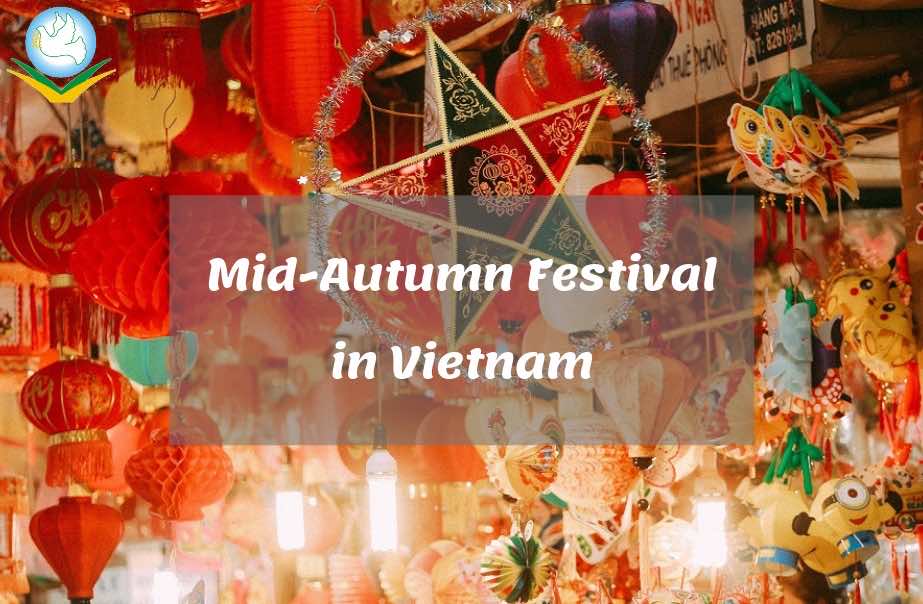
This magical festival is celebrated on the 14th and 15th day of the lunar month. Also known as the Harvest Festival, Full Moon Festival and Children’s Festival, it features an array of activities like lion dances, children carrying paper lanterns, and food booths selling sticky rice, mooncakes, fruits and sweets. During the night of the festival, families set up their ancestral altar upon which they display offerings honoring the full moon.
The Mid-Autumn Festival is best observed in the UNESCO-listed town of Hoi An, where locals kick the festivities up a notch. There’s plenty of lantern processions, street performances and art shows. Kids are encouraged to participate in drawing, coloring and essay writing contests, while tourists get to enjoy the awesome sights of brightly colored paper lanterns lining the Japanese Covered Bridge and the banks of the Thu Bon River.
Part IV. Getting Around Vietnam
Vietnam is a sinuous, serpentine nation, slithering 1,025 miles down along the eastern seaboard of Indochina. This is probably the reason why imaginative ways of transportation are a fascination. From being pedaled along in a bicycle rickshaw known as the cyclo to an exhilarating ride on a motorbike taxi , transportation runs as big a gamut as you’ll find elsewhere in the world.
If you wish to traverse the entire length of the country with side trips to Hanoi and Ho Chi Minh City, you have quite a handful of transportation options. The big question is which ones should you choose? Well, the answer depends on your time, budget, and sense of adventure.
If you’re short on time, travelling from north to south by plane makes a lot of sense. If you plan to visit the more remote tourist destinations such as the Northern Highlands, hiring a taxi or taking the train are the best options. If you’re on a budget but have plenty of time and patience, then the bus system will do. Or, if you’re the adventurous type, you may just have to hop aboard a motorcycle!
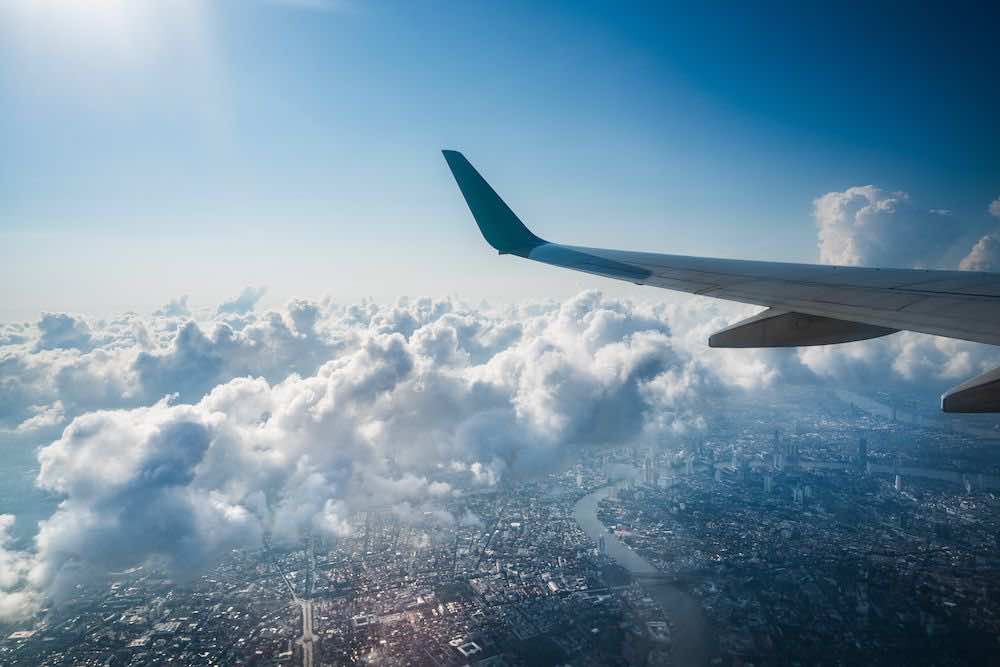
1. Vietnam by Plane
Vietnam has more than 20 airports. Quite a big number for a relatively small country. The reason behind this is that most of the airstrips constructed during the Vietnam War were converted to peacetime airports.
To date, majority of international flights land in Hanoi and Ho Chi Minh City, with daily arrivals coming from Asian hub cities. Bangkok, Guangzhou, Hong Kong, Phnom Penh, Siem Reap, Singapore, and Seoul have the most number of flights. Some international flights also head to Danang and Nha Trang.
Major international airline companies include Vietnam Airlines, China Southern Airlines, Hong Kong Airlines, Korean Air, Singapore Airlines, Thai Airways, Jetstar, and AirAsia.
A lot of tourists explore Vietnam by making their way north from Ho Chi Minh to Hanoi, and then they do the other leg by plane. This will only take two hours, but if you take other modes of transport, the journey could take days, weeks, or even months.
The other key cities are also well connected. Whether you need a flight from Can Tho, Da Nang, Da Lat, Hai Phong, Hue, Phu Quoc or Nha Trang – flying to these areas from Hanoi or Ho Chi Minh is easy because of the range of available domestic flights.
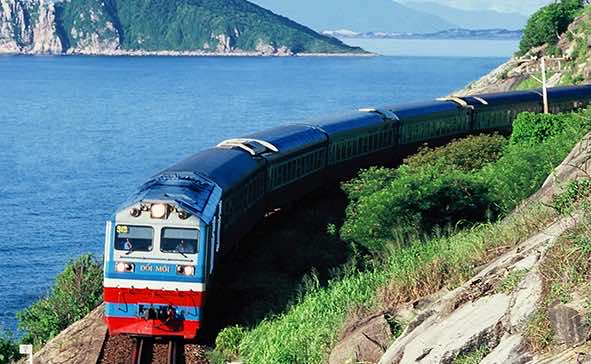
2. Vietnam by Train
Vietnam has 1,600 miles of railway, with the main line called Reunification Express providing an all-in encounter with the nation’s amazing beauty, people and history. The rail line runs from Hanoi to Ho Chi Minh City. It has multiple stops including popular tourist destinations like Danang, Hue and Nha Trang. Note, however that the whole trip takes more than 40 hours! Moreover, trains are generally more expensive than buses, but the comfort level is well worth it.
Book an overnight train so you can sleep your way through most of the travel time inside an air conditioned sleeper berth. There are several classes on Vietnamese trains, but try to go for the highest level that you can afford. For overnight travel, there are hard-berth and soft-berth compartments, with six and four bunks, respectively.
Vietnam is currently upgrading its train system, but even today, you can rest assured that traveling by train is one the best experiences you can have in this southeast Asian nation. Make sure you purchase your ticket in advance, especially during peak season.
Another option is to engage the services of a private company, which links more luxurious carriages to standard trains. A lot of tourists prefer this when they are going from Hanoi to Lao Cai in the Northern Highlands. A number of companies, including Fanxipan, Chapa Express Train, Sapaly Train, and Victoria Hotels, operate luxurious private carriages called Victoria Express Train. While the Victoria cars are regarded as the most comfortable on this route and travellers don’t need to book Victoria Hotel Sapa to travel on Victoria Express Train like before.
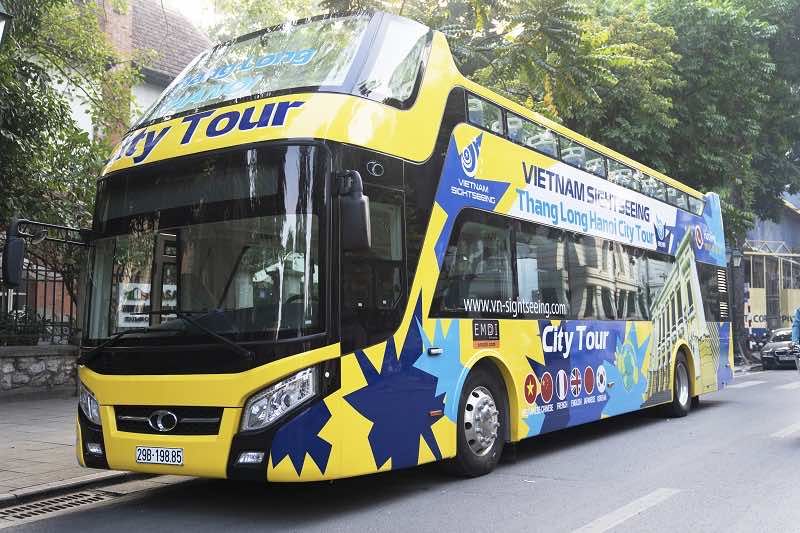
3. Vietnam by Bus
If you have lots of time and comfort is not your top priority, going around Vietnam by bus is a good option. Majority of the cities are served by a bus route, but a word of caution, travelling along the country’s rickety roads may not be for everyone. For instance, a 172-mile bus ride from the Mekong Delta to Ho Chi Minh City will take approximately 8 hours.
For tourists and those on a budget, the best bus options are the privately operated vehicles called ‘open tour’ buses. The fares are cheap and they cover all the top destinations. You can purchase an ‘open’ ticket so you can ask the driver to stop if you see something interesting along the Hanoi-Saigon route. However, some prefer to keep their options flexible by purchasing individual tickets as they go.
The open tour buses are better than national buses because they are air-conditioned and operate on fixed schedules with a limited number of passengers. State-run buses can be the exact opposite so beware. Research any private bus company before buying a ticket and see to it that you bring along some snacks and drinks for the ride.
4. Vietnam by Boat
Ferry services can whisk you to the major islands. One thing that you should never miss is a cruise in Halong Bay – the top boat destination in Vietnam. There are dozens of private ships plying the emerald waters, taking tourists to marvel at the magnificent karst island formations. You can choose from day trips and overnight excursions, with a full range of vessels, from bare-bones to the most luxurious.
Boat tours are also offered in the charming city of Hue where local households try to earn a few bucks from passing gappers. Lunch trips, fishing, and snorkeling are available from Hoi An, Phu Quoc, and Nha Trang to the nearby islands.
You can also go on a river tour along the Mekong Delta, on board a private company’s river cruise. For tourists who are traveling to both Vietnam and Cambodia, a popular itinerary that links the two neighboring countries is a ride on a fast boat from Phnom Penh to Chau Doc.
5. Vietnam by Motorcycle or Motorbike
For the adventurous, motorbike or scooter rentals are offered in most major cities. You can also find motorcycle rentals, especially in Dalat. Carefully inspect the bike before you roar off and remember that there is a helmet law in Vietnam.
If you are not ready to roll on your own, you may opt for the Easy Rider Adventures in Dalat. It is quite a popular tour company so beware of the imitators. They offer short rides, bespoke, and multi-day trips.
6. Vietnam by Local Transportation
You’ve got three options: taxi, cyclo or the xe om. Metered taxis are cheap by international standards. However, dubious taxis with tampered meters ply the streets of Hanoi and Ho Chi Minh City. Only hire taxis from reputable companies like Mai Linh and Vinasun.
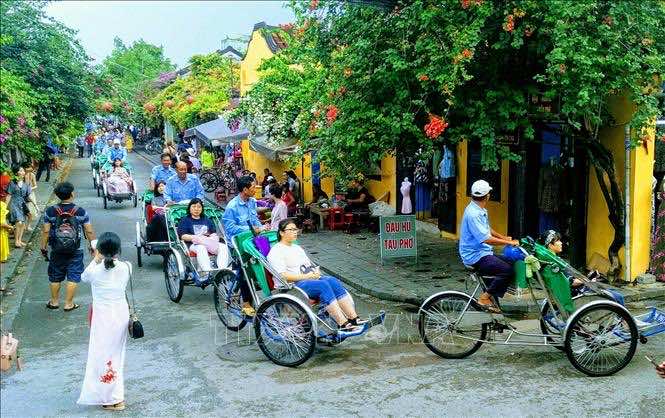
The cyclo is a three-wheel bicycle taxi. They first appeared during the French colonial period following a failed attempt to introduce rickshaws. This mode of transport is dying out, but is still available in some key cities. Cyclo drivers usually hang out near markets and major hotels. Remember to negotiate the fare before going anywhere.
The xe om is a motorbike taxi. Literally translated, xe means motorbike, while om means hug, so now you have an idea on how it works. Going around by xe om is okay as long as you are traveling light and don’t have a lot of luggage. There are lots of xe om drivers hanging around bus stations, hotels, and street corners. Just like with cyclos, negotiate the fare before you hop in.
Part V. Best Places to Stay in Vietnam
When it comes to accommodation in Vietnam, affordable luxury is the name of the game. You get to bask in sheer comfort and convenience in Indochina for what you would normally spend for a cracker-box suite in the United States and major European cities. Pay a little over US$100 and you are treated like royalty! If you plan to visit, go for a luxury room and you can rest assured that it’s worth every single penny.
Check out our mini ebook for additional information so it will be easier for you to pick which hotel perfectly suits your needs and preferences…
Part VI. Top Destinations/Attractions in Vietnam
Vietnam is country of staggering natural beauty, with its islands and beaches considered as among the very best in Southeast Asia. It’s a land of cultural complexities and its cuisine is arguably the most sumptuous in the region**.** More than 20 years have passed since the country was formally unified, and during that period, it has done an exceptional job of mending its wounds. Today, this proud country is a superb travel destination. You can’t go wrong – it’s both exotic and compelling!
1. Hanoi
Hanoi is chock full of history and culture, particularly in the Old Quarter, which is the tourism hub of the city with its bustling market streets, pulsating nightlife and some of the best local cuisine in the country. If you plan to visit, here are the other destinations that you shouldn’t miss:
Imperial Citadel of Thang Long
Water Puppet Theatre
Ho Chi Minh Mausoleum
Hoan Kiem Lake and Ngoc Son
Dong Xuan Market
Ba Vi National Park
Hanoi Opera House
Temple of Literature
2. Sapa
This picturesque town has both culture and breathtaking natural beauty rolled into one enticing package. It is home to a number of ethnic groups and has grown significantly over the past years. What was once a quiet mountain town is now a tourist hot spot. Try to find a homestay in one of the villages or if the weather permits, climb Fansipan which is the highest mountain in Indochina. Check out this list of fun things to do in Sapa to spice up your itinerary…
Trek and visit the captivating tribal villages
Take a leisurely stroll near Sapa Lake
Marvel at the majestic and romantic Love Waterfall
Take a cable car up to lofty Fansipan
Gaze in awe at the green rice terraces of Muong Hoa Valley
Bask in the splendor of Thac Bac Waterfall (or the Silver Falls)
Enjoy a traditional textile experience at Cat Cat or Ta Phin Village
Experience the hustle and bustle of the Sapa market
Snap photos amid the colorful sights of Ham Rong Flower Garden
Discover history and culture at Sapa Museum
Go off the beaten track and trek through authentic villages along Muong Hoa Valley
Stay overnight in one of the homestays in remote villages of Ban Ho or Thanh Phu
Go ecofriendly by staying overnight in one of the ecolodges near Sapa: Topas Ecolodge, Utopia Lodge
Visit one of the colorful ethnic markets near Sapa: Coc Ly market on Tuesday, Can Cau Market on Saturday, Muong Khuong, Bac Ha markets on Sundays
3. Halong Bay
No trip to the northern region of Vietnam is complete without a visit to Halong Bay. Declared as a UNESCO World Heritage Site in 1994, Halong Bay’s towering limestone islands are a sight of ethereal beauty. It’s therefore not surprising that it is northern Vietnam’s premier tourism hub.
The entire Halong Bay or sometimes referred to as the Gulf of Tonkin, covers an area of approximately around 1,500 square kilometers. Experts claim that it took roughly 500 million years to form Halong Bay to the 1,969 islands and islets made from karst limestone. Humans have inhabited the area since time immemorial but inflicted no damage to the natural wonder. The magnificent landscape has definitely added unique cultural values to this unique spot.
Things to do in Halong Bay
Sign up for a day boat cruise or better, spend a night on a traditional wooden boat
Kayak around the karst formations, explore fishing villages and hidden lagoons
Get up early to participate in a Taichi Class on the sundeck and see the Sun rising
Go spelunking at Hang Sung Sot Cave
Go squid fishing at night
Have a bird’s eye view of the landscape on board a seaplane
Take an excursion to Cat Ba Island and explore one of the caves (Hospital Cave, Trung Trang Cave)
Bicycling to Viet Hai Village
Enjoy the serene surroundings at Lan Ha Bay
Check out Virgin Cave in Bon Hon Island
Travel to Monkey Island and stay at the secluded Monkey Island Resort
4. Hoi An
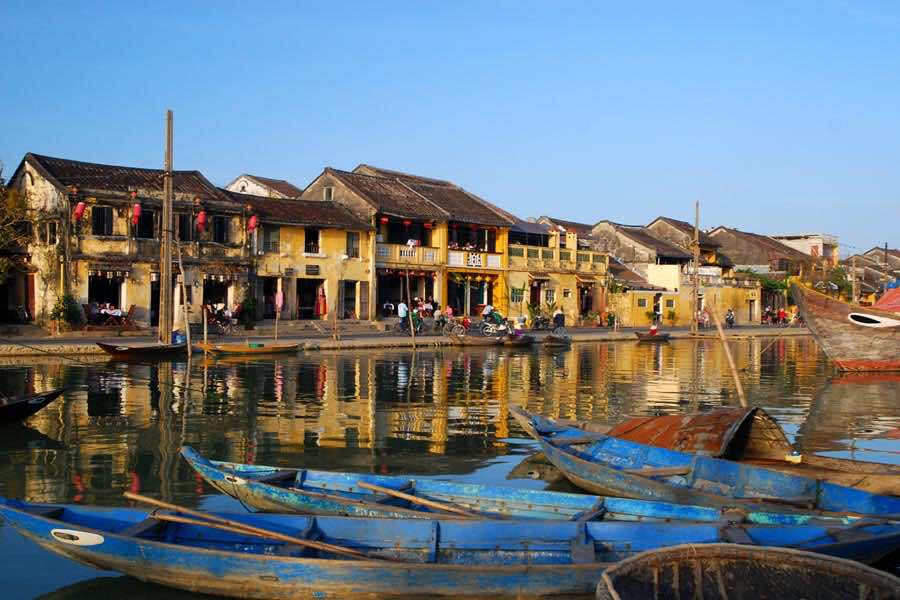
Located in the central coast of Vietnam, Hoi An is popular for its well-preserved Ancient Town that is traversed by canals. The city is a melting pot of history as clearly reflected by its architecture, a blend of different eras and styles – from French colonial buildings to Vietnamese tube houses, wooden Chinese temples, and the Japanese Covered Bridge with its iconic pagoda.
Things to do in Hoi An
Explore the UNESCO Heritage Sites including Hoi An Old Town
Snap amazing photos at the iconic Japanese Covered Bridge
Enjoy a gastronomic treat at the popular restaurants
Soak up the sun at An Bang Beach
Get your bicycle and explore the village paths and countryside
Sharpen your bargaining skills at the Hoi An Central Market
Take a tour at the Museum of Trade Ceramics
Enjoy a day of scuba diving and snorkeling at Lao Cham Island
Have some special tea at Reaching Out Tea House
Attend a Cooking Class at Sabirama Cooking School
Go for a stroll to the Lantern Market
Sit down and learn to make silk lanterns at a local house
Sip a cup of coffee or cool drink at Faifo Cafe with panoramic view from the rooftop
Further afield: visit My Son Sanctuary for a half day; spend a full day on Ba Na Hills to explore the viral Golden Bridge and the Amusement complex on the Ba Na Hills with round trip transfers by cable car; trek the Bach Ma National Park
5. Nha Trang
Located in Vietnam’s south-central coast, Nha Trang is a traveler’s paradise. This resort city offers you miles of of white sandy beaches against a backdrop of verdant mountains, lots of beautiful islands, plenty of historical sites and long hours of sheer relaxation. In addition, there is a menagerie of other captivating activities that will leave you asking for more!
In case you are wondering what to do in Nha Trang, then take a look at the list below.
Engage in adrenaline pumping water sports, scuba diving and snorkeling
Embark on sailing trips to neighboring islands
Take a trip to paradisaical Doc Let or Bai Dai beaches
Go on excursions to Ponagar Cham temples and the 19th century Long Son Pagoda
Check out Vinpearl cable car, the world’s longest oversea cable car
Visit Vinpearl Amusement Park and spend a full day to experience unparalleled fun for kids
Visit Yang Bay Eco Park, a charming nature park just a stone’s throw away from the town centre
Kick back and relax Vietnamese style at the Thap Ba Hot Springs and Mud Baths
Explore the National Oceanographic Museum of Vietnam
If you love photography, make sure to drop by the Do Dien Khanh Gallery
Explore the countryside by bicycle or by boat
Rafting the Cai River
6. Dalat
Known as the “City of Eternal Spring” because of its temperate weather, the town of Dalat has been one of the most popular destinations in southern Vietnam’s Central Highlands for getaway holidays. A lot of people call it ‘Le Petit Paris’ and this hill town even has a mini-replica of the Eiffel Tower in its centre! It is also a preferred location among domestic honeymooners, hence it’s also called ‘The City of Flowers’ and ‘The City of Lovers’
Dalat is renowned for its wide variety of flowers, fruits, and vegetables from its farmlands. It’s equally known for its pristine nature sites, beautiful landscape, and minority villages. There’s certainly something for everyone, but here some of the things that you should try if you visit this remarkable place…
Explore the summer palace of Emperor Bao Dai, the last emperor of Vietnam
Visit Da Lat Railway, one of Vietnam’s oldest railway stations and known for its art deco architectural style
Marvel at the unconventional and fairytale-like architecture of the Hằng Nga Guesthouse, also known as the ‘Crazy House’
Go on a cable car ride to Truc Lam Pagoda, a complex featuring traditional Asian architecture
Mingle with over 100 monks and nuns at the Truc Lam Pagoda (a Buddhist Zen monastery)
Take in the stunning vistas atop Lang Biang Mountain
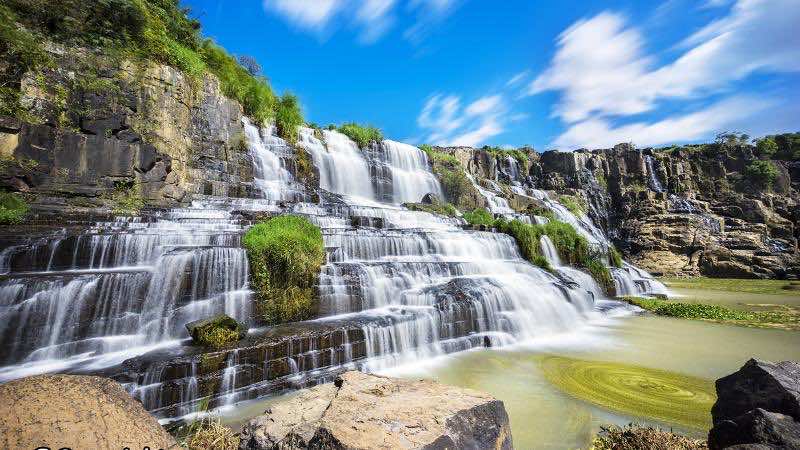
Allot a few hours and make a trip to Pongour Waterfalls
Stroll through elaborate floral displays at the Dalat Flower Gardens
Go on a drive outside the city and visit Lang Biang Mountain and the Elephant Waterfalls
Head to a village of K’Ho ethnic minority to learn about local life, Vietnamese coffee and enjoy a cup of freshly brewed coffee by the farm owner/local host
Discover how weasels and coffee come together at the Trai Ham Da Lat Weasel Coffee
Find cute gifts and haggle for inspired goods at the lowest prices at the Dalat Night Market
Trek on the quite path through the pine forest, coffee and persimmon plantations up to Pinhatt Mountain in order to enjoy the fabulous, picturesque view of Tuyen Lam Lake.
Hit the road on two wheels and head off to Lak Lake
7. Ho Chi Minh City
Commonly called Saigon, Ho Chi Minh City is known for its French colonial landmarks, including the 19th-century Central Post Office and the Notre-Dame Cathedral, which is entirely constructed of materials imported from France. From the cheapest guesthouses to world class hotels, the tastiest of street stalls to the classiest restaurants, the scrum of the markets to the finest boutiques, Ho Chi Minh City is a high-octane conurbation of commerce and culture.
Without further ado, here are the top things to do in Ho Chi Minh City:
Crawl through the Cu Chi Tunnels
Savor the flavor of a bowl of Pho
Visit the Giac Lam Pagoda, the oldest temple temple in the city
Enjoy a romantic dinner on Bonsai River Cruise
Explore the War Remnants Museum
Tour the Reunification Palace
Visit the Central Office which was designed by Gustave Eiffel, of Eiffel Tower fame
Grab a cup of coffee in Tao Dan Park
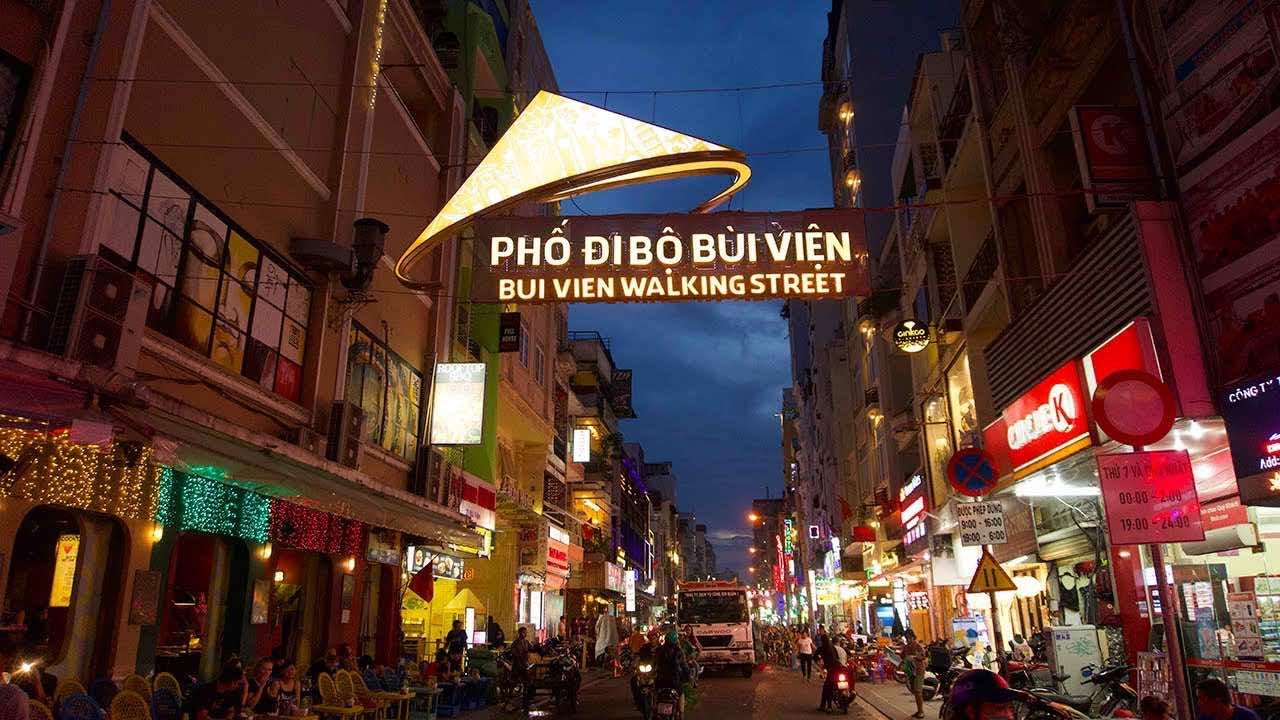
Have a drink and enjoy the nightlife in Pham Ngu Lao or Bui Vien Street
Tour the History Museum with artifacts dating 4,000 years
Say a prayer at the Notre Dame Cathedral
Marvel at the splendor of the Cao Dai Temple
Scale the Bitexco Financial Tower
Snap some amazing photos at the Phuoc An Hoi Quan Pagoda
Visit the Jade Emperor Pagoda, one of the fanciest temples in the city
Tour the Ho Chi Minh City Museum
Explore the Fine Arts Museum
Admire the caramel-colored Cha Tam Church
Shop till you drop and dine at the Ben Thanh Market
Shop like a local at the Binh Tay Market
Head to an organic farm in the outskirt of Ho Chi Minh City to learn about herbs, pick up ingredients for the cooking lesson.
8. Mekong Delta
The Mekong Delta in is the ‘rice bowl’ of Vietnam. It is a water world with its vast maze of rivers, canals, swamps, and floating markets. You’ll also find ornate Khmer pagodas, Buddhist temples, and communities surrounded by rice paddies. Boats are the primary means of transportation, and tours of the region typically start in Ho Chi Minh City or in Can Tho, a bustling city in the heart of the delta.
Embark on a Sampan Cruise in My Tho. Regardless where the cruise starts, the boat will take you to Dragon (Con Tan Long), Tortoise (Con Quy) and Unicorn (Con Thoi Son) islands
Visit the Vinh Trang Pagoda and the Bat Pagoda
Tour the Cai Be Fruit Orchard, the largest of its kind in the delta
Visit floating markets and experience the daily life on the Mekong River
Pick up a bicycle to ride along peaceful village paths in deeper Mekong Delta
Sample a bowl of noodle soup at Cai Rang floating market
Come to the Tra Su Cajuput Forest to see what the wetlands look like
See the process of traditional silk making in Tan Chau Silk Village
Go bird watching at Tram Chim National Park
Scale the Sam Mountain and enjoy a grand view at the peak featuring Cambodia on one side and Vietnam on the other
Be more daring at Dong Tam snake farm, dubbed “The Kingdom of Snakes”
Visit Hon Phu Tu – Father and Son Island off the coast of the Cave Pagoda strait
Part VII. What to Eat in Vietnam
Vietnam may have a varied landscape but all of its cuisine features the balance of aromatics, sourness, sweetness, and fish-sauciness. Just like other Asian cuisines, it is all about striking that perfect blend: the sweet and the salty, the fresh and the fermented. Another thing that’s remarkable about Vietnamese cuisine is that it ain’t complex by any means. In fact, most of the popular dishes can be prepared and cooked just as well on the roadside as in a first-rate restaurant. It’s this simplicity, the fresh ingredients, and the subtle variations by region, that makes the food special and keep tourists coming back for more.
Up north, the food has a heavy Chinese influence with its noodle-based soups ands stir-fries. As you head south, there’s more blending of flavors with neighboring Cambodia and Thailand. Down south, the tropical climate nourishes more rice paddies, herb gardens, coconut groves, and jackfruit trees. The food is usually sweeter: savory dishes have more palm sugar and pho has sweeter broths.
It’s tough to talk about Vietnamese food without mentioning French influence. Evidently, colonization had a lasting effect on the entire nation including the land, the people, and the flavors. Perhaps the most distinct is the banh mi, which refers to the French baguette used to make this delectable Vietnamese sandwich. However, the locals have taken this sandwich to a whole new level and made it their own with fish patties, sardines, grilled pork, cilantro, chili-spiked pickled carrots, among other fillings.
Are you planning your first trip to Vietnam? Congratulations! Vietnam is a mesmerizing country filled with natural beauty, rich history, and warm hospitality. To make the most of your journey, it’s essential to know where to visit in Vietnam for the first time. In this extensive guide, we will take you on a virtual tour of this captivating Southeast Asian nation, highlighting must-visit destinations and providing valuable insights to ensure a memorable experience.
Where to Visit in Vietnam for the First Time
Vietnam, with its stunning landscapes, vibrant cities, and unique culture, offers a plethora of options for first-time travelers. Let’s dive into the best places to explore on your inaugural visit to this enchanting country.
Hanoi: The Heart of Vietnam
Hanoi, the capital of Vietnam, should be your first stop. Steeped in history and culture, this city boasts an array of attractions, including the Old Quarter, Hoan Kiem Lake, and the Ho Chi Minh Mausoleum. Don’t miss out on savoring the delectable street food, such as pho and banh mi, at local stalls.
Ninh Binh: Inland Halong Bay
Often referred to as “Halong Bay on Land,” Ninh Binh offers stunning limestone formations amid lush rice paddies. Take a boat ride through the Trang An Grottoes or hike up to Hang Mua Peak for panoramic views.
Tam Coc: Limestone Karsts and Rivers
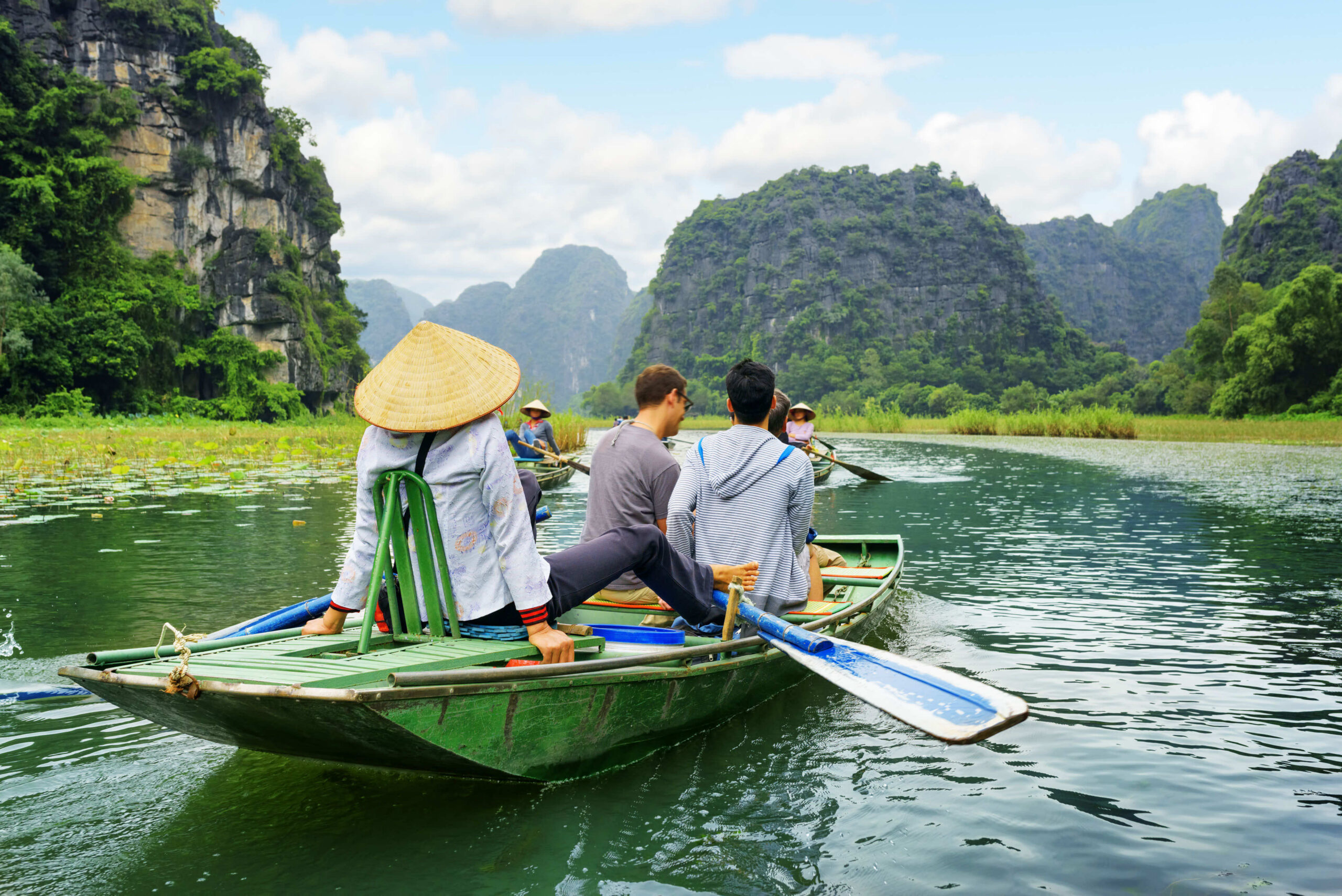
Tam Coc, known as the “Halong Bay on Rice Paddies,” offers boat rides through scenic karst formations and rice fields. The serene landscape is a photographer’s delight.
Halong Bay: A Natural Wonder
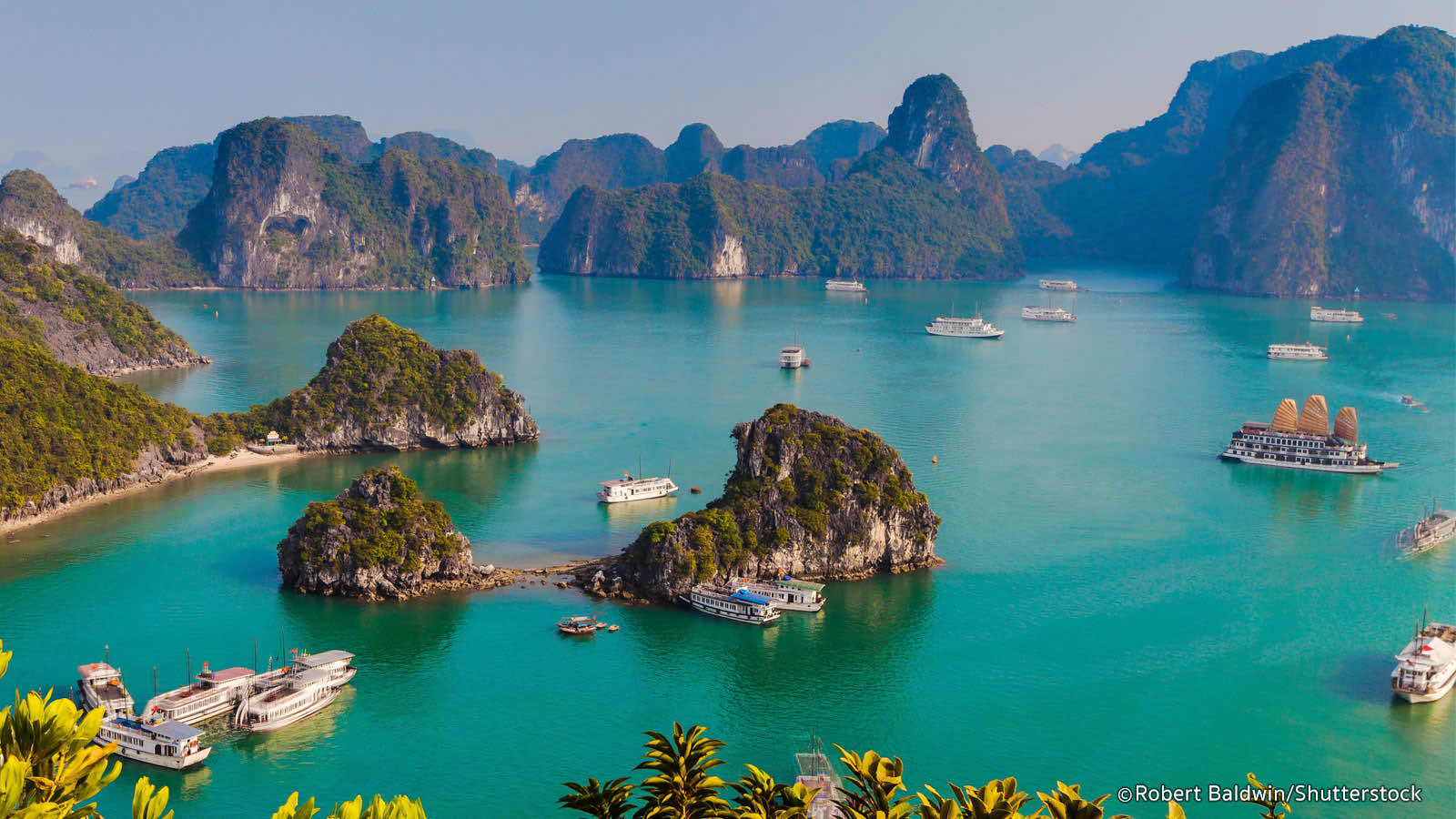
A UNESCO World Heritage Site, Halong Bay is renowned for its emerald waters and thousands of limestone karsts and islets. Take a cruise to explore the caves and grottoes, go kayaking, or simply relax on the deck while enjoying the breathtaking scenery.
Hue: Imperial Grandeur
Hue, the former imperial capital, boasts a rich history and stunning architecture. Explore the Imperial City, a UNESCO World Heritage Site, and cruise along the Perfume River to visit ancient pagodas and tombs.
Hoi An: A Charming Ancient Town
Hoi An, with its well-preserved architecture and lantern-lit streets, is a picturesque town that transports you back in time. Stroll through the ancient town, visit tailor shops for custom-made clothing, and indulge in the local cuisine.
Ho Chi Minh City: The Bustling Metropolis
Formerly known as Saigon, Ho Chi Minh City is the largest city in Vietnam. Explore the Cu Chi Tunnels, visit the War Remnants Museum, and experience the vibrant street life. Don’t forget to try the delicious “com tam” (broken rice) and “hu tieu” (noodle soup).
Can Tho: Floating Markets
Can Tho is famous for its vibrant floating markets. Wake up early to witness the bustling Cai Rang Floating Market and savor fresh fruits and Vietnamese coffee.
And if you have more time
Cat Ba Island: Adventure Haven
Cat Ba Island, the largest in Halong Bay, is an adventure lover’s paradise. Go rock climbing, trekking, and kayaking while enjoying the island’s natural beauty.
Sapa: Trekking in the Northern Highlands
For nature enthusiasts, Sapa in the northern highlands is a must-visit. Hike through terraced rice fields, interact with local ethnic minorities, and soak in the serene mountain views.
Nha Trang: Beach Bliss
If you’re seeking some beach relaxation, Nha Trang offers pristine sandy shores and clear waters. Dive into water sports, explore the local marine life, or simply unwind on the beautiful beaches.
Dalat: The City of Eternal Spring
Dalat, known for its mild climate and lush landscapes, is a romantic escape in the Central Highlands. Explore flower gardens, waterfalls, and the iconic Crazy House.
Phu Quoc Island: Tropical Paradise
Phu Quoc Island is a dreamy destination for beach lovers. Relax on its white sandy beaches, visit the Phu Quoc National Park, and sample fresh seafood at local restaurants.
Quy Nhon: Hidden Gem
Quy Nhon, a coastal town, is an off-the-beaten-path gem. Enjoy its serene beaches, explore the Cham temples, and savor delicious seafood.
Con Dao Islands: Untouched Beauty
For a tranquil escape, visit the Con Dao Islands. Explore historic sites, indulge in water sports, and enjoy the untouched beauty of these remote islands.
Mai Chau: Cultural Immersion
Mai Chau offers an authentic cultural experience with homestays in traditional stilt houses. Immerse yourself in the daily life of the White Thai ethnic group and enjoy their warm hospitality.
Sa Pa: A Trekker’s Paradise
Sa Pa, nestled in the Hoang Lien Son Mountains, is a haven for trekkers. Embark on multi-day treks to explore remote villages and witness breathtaking vistas.
Ba Be Lake: Serene Oasis
Ba Be Lake in the northeast is Vietnam’s largest natural freshwater lake. Explore the lush national park, visit ethnic villages, and take a boat ride on the tranquil lake.
Cao Bang: Off the Beaten Path
Cao Bang, in northern Vietnam, is a hidden gem with pristine natural beauty. Explore Ban Gioc Waterfall, Nguom Ngao Cave, and the serene landscapes along the Chinese border.
Phong Nha-Ke Bang National Park: Caving Adventures
Venture into the underground wonders of Phong Nha-Ke Bang National Park. Explore the world’s largest cave, Son Doong, or visit the Paradise Cave and Phong Nha Cave for an otherworldly experience.
Vinh Long: Fruit Orchards
Vinh Long is known for its fruit orchards and floating markets. Join a boat tour to taste exotic fruits and learn about traditional Vietnamese farming practices.
FAQs
Is Vietnam a safe destination for first-time travelers?
Yes, Vietnam is generally safe for tourists. Exercise common travel precautions, such as safeguarding your belongings and being aware of your surroundings.
What is the best time to visit Vietnam?
The best time to visit Vietnam is during the dry season, which typically spans from November to April. This period offers pleasant weather for exploring.
Do I need a visa to visit Vietnam?
Most travelers to Vietnam require a visa. Check the visa requirements for your country and apply in advance.
What currency is used in Vietnam?
The official currency of Vietnam is the Vietnamese Dong (VND). Credit cards are widely accepted in urban areas.
What are some essential Vietnamese dishes to try?
Don’t miss trying pho (noodle soup), banh mi (Vietnamese sandwich), fresh spring rolls, and the aromatic coffee.
How can I get around in Vietnam?
Vietnam has an extensive transportation network. You can use buses, trains, domestic flights, and taxis to get around. Consider renting a motorbike for local exploration.
Conclusion
Vietnam is a diverse and enchanting destination that caters to the interests of every traveler. Whether you seek natural beauty, cultural immersion, or adventure, Vietnam has it all. With this guide, you now have a roadmap to the best places to visit on your first trip to Vietnam. Embrace the rich history, friendly locals, and delectable cuisine as you embark on a journey of a lifetime.
There are more and more hotels and resorts in Vietnam calling themselves family-friendly. The question is “How do you know exactly that they can take good care of all members in your family during the whole trip?”. Due to the fact that Vietnam is becoming the favorite destination for family vacations, our experts would love to share some suggestions to plan your trip this summer. When it comes to choosing the right accommodations, here’s 5 standards we all carefully take into our consideration:
Location: The first and foremost factor is most favorable location which is accessible to fundamental services and popular tourist attractions.
Room amenities: They must offer either family rooms or connecting rooms which can accommodate the whole family. We all want to stay together, don’t we? Apart from that, the in-room minibar is a must as kids crave for snacks all the time. Baby cots and high chairs are also other necessary factors to consider.
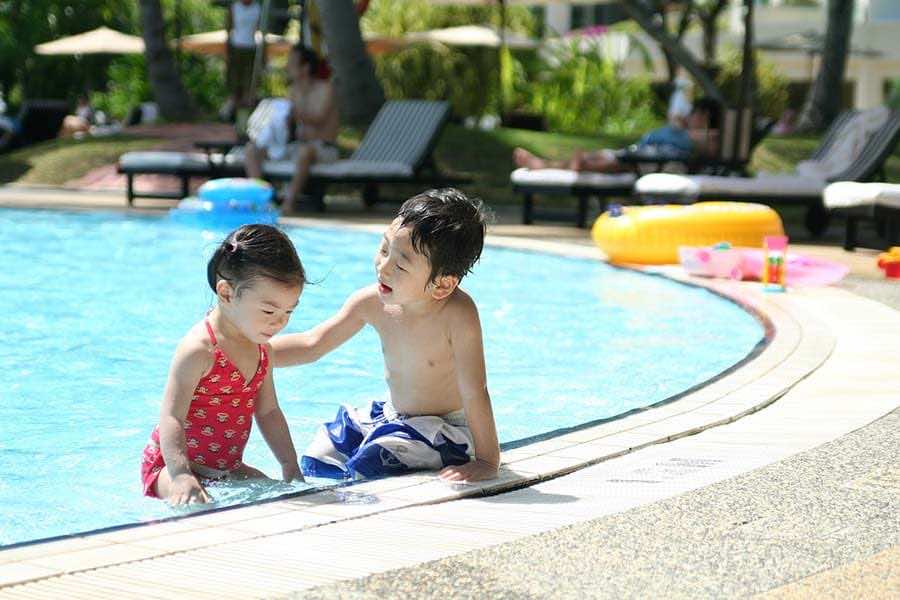
Kids Club and kid-friendly pool: Kids usually have plenty of energy and curiosity. Hence, they need some places to make new little friends as well as blow off some steam before bedtime. A kids’ club and a pool is a must in this case.
Babysitting Services: If you parents want have some romantic time then you better choose a hotel with babysitting service. Only when you know that your kids are being taken care of, you can enjoy your couple time to the fullest.
Easy food options for kids
Now that you know what to look for in a family-friendly property, here comes the names.
Sofitel Legend Metropole- Hanoi
Sofitel Legend Metropole Hotel Hanoi
Address: 15 Ngo Quyen Street, Hoan Kiem District
Just a few steps away from Hanoi Old Quarter, this property is a real legend in term of hospitality industry in the capital of Vietnam. The elegant design and the world-class services might win your hearts right away. Children are greatly welcome here with Le Petit Prince children’s amenity program, a heated swimming pool, children’s menus and a children’s corner for Sunday brunch. You can request for connecting rooms, baby amenities and cots without a problem. Needless to mention this world famous services, you and your kids are in good hands. You can also book a chocolate buffet and tea in the afternoon or spa’s massage session all day. Your little ones will be excited to explore the hotel’s bomb shelter used during wartime. In short, this hotel knows the best way to make everyone happy.
Located between Da Nang and Hoi An, The Nam Hai occupied the best spot anyone can ask for in a holiday: the magnificent beach front. Imagine waking up every morning by the sound of ocean waves? Not only adults but your kids will absolutely love it as well. Don’t be hesitant for the distance to Hoi An ancient town as it’s only 15 minutes ride on the beautiful beach road. Kids Activity Villa with plenty of activities such as beach games, Vietnamese kite making,…will keep your kids interested all day. If your kid happens to be a swimmer, there are three pools overlooking the beautiful Ha My Beach. Regarding to parents’ time: there are a bunch of activities such as yoga, golf, jogging path, spa … at your fingertips. The best part is the butler services around the clock. It’s good to know there’s someone who look after your whole family.
Fusion Maia really knows how to make children feel special by their Mini Maia program which includes the daily activities run by their kid club. Get your kids excited by letting them know about their own privileges here. They’ll be greeted with the cute little bath robes and slippers in the room, even enjoy their own mini spa treatments, cookery classes, craft type activities… There is also a dedicated kids pool and outdoor playground with swings, slides, and tunnels. Babysitting can be arranged at ease. Two or three bed villas are our suggested options for your family. What about parents? This resort earned their great title regarding to wellness priority such as yoga, therapies… You get the point.
Address: 22-36 Nguyen Hue Boulevard, District 1, Ho Chi Minh City, Vietnam
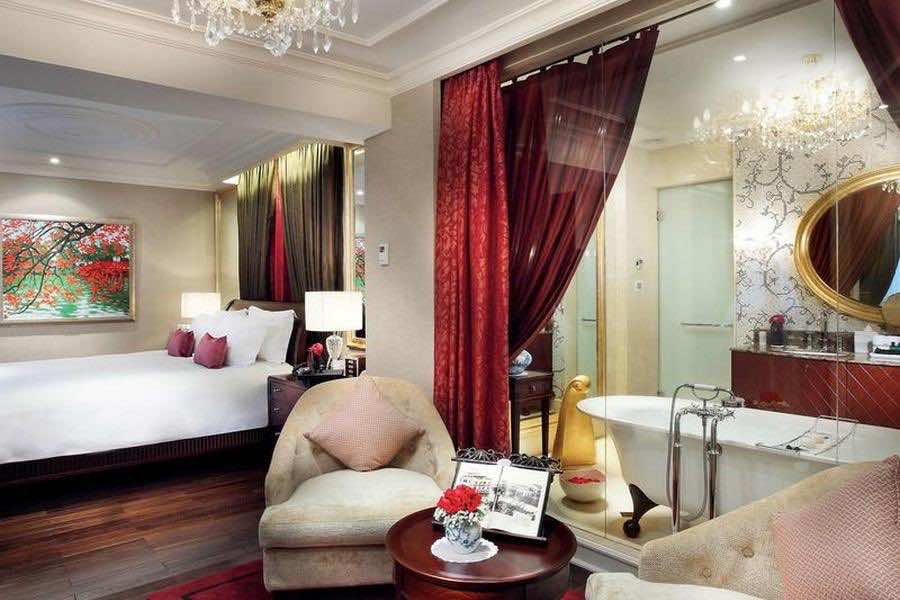
Obviously we adults love it from the fanciful appearance to the extravagant interior and luxurious amenities. But we’ll point out why your kids will love it as well. The rooms are generous in size with a separate tub and shower space, ideal for a fun bubble bath while watching TV. Apart from the 24m free-form pool which will make your kids thrilled all day long, they also offer a childcare service for parents to make the best out of your time in this amazing place.
Address: 94 Ma May, Hang Buom Ward, Hoan Kiem, Hanoi
If you’re looking for a more affordable alternatives of family hotels in Hanoi, then look no further than Hanoi La Siesta Hotel & Spa. Located in the heart of Hanoi, everything is within your reach, from tourist attractions, good eateries to local gathering spots and water puppet theaters. Their family suites with 2 spacious bed rooms are just perfect for a family of 5. The onsite restaurant- Red Bean is a decent place to savor local dishes without having to take your kids out. A movie room with capacity of 20 seats are designed for some quality time together. In term of kids’ amenities, they’ve got you covered with baby cots and high chairs.
All these properties are our chosen ones for the balance of all members’ needs and demands. If budget is not your first consideration, luxury hotels and resorts are always the best choice for families traveling to Vietnam because most of them can tick all our previous boxes. However, there’re always other affordable options. After all, travelling with family shouldn’t be stressful for anyone.
Welcome to Vietnam, a land of mesmerizing beauty and captivating landscapes that will leave you in awe. From the lush green rice paddies to the jagged peaks of the mountains, and from the pristine beaches to the bustling cityscapes, Vietnam is a country that delights at every turn.
As you step foot into this enchanting land, you’ll be greeted by a symphony of colors and flavors, a reflection of the country’s rich cultural tapestry. Whether you’re exploring the ancient temples of Hanoi, strolling through the vibrant streets of Ho Chi Minh City, or venturing into the serene countryside, Vietnam has something to offer every traveler.
While there are various ways to traverse this diverse nation, none can quite compare to the experience of a train journey. Train travel holds a special place in the hearts of both locals and tourists alike, as it provides an unrivaled perspective of Vietnam’s natural wonders.
As the train chugs along the tracks, you’ll witness breathtaking sceneries that seem straight out of a postcard. The rhythmic clickety-clack of the wheels will lull you into a state of tranquility, allowing you to soak in the beauty of the passing landscapes. From the mist-covered mountains in the north to the sun-kissed coastline in the south, the train will take you on a magical ride through the heart of Vietnam.
Unlike other modes of transport, train travel offers a unique vantage point, allowing you to see the hidden gems that often remain undiscovered by road or air. As the train winds its way through the countryside, you’ll have the chance to witness the daily lives of locals, their smiles and waves welcoming you to their homeland.
Moreover, train travel provides a comfortable and convenient way to explore Vietnam’s diverse regions. With well-equipped carriages and friendly staff, you can relax in the cozy interiors while the ever-changing scenery unfolds outside your window.
Whether you’re an adventure seeker, a nature lover, or a cultural enthusiast, the train will cater to your desires. It effortlessly connects the most iconic destinations and off-the-beaten-path locations, ensuring that you don’t miss any of Vietnam’s natural wonders.
So, embark on this incredible train journey and let Vietnam’s enchanting beauty reveal itself to you in ways you never thought possible. Get ready to witness the magic of this land as the train’s wheels roll through landscapes that will forever linger in your heart and memories. All aboard for a truly unforgettable adventure!
The Romance of Hanoi to Lao Cai:
The journey from the bustling capital city of Hanoi to the picturesque town of Lao Cai is nothing short of a romantic escapade, filled with enchanting sights that will leave you spellbound. As the train departs from Hanoi’s historic railway station, a sense of anticipation fills the air, for this is a voyage that promises both adventure and tranquility.
Leaving the city behind, the train meanders through the heart of Vietnam’s countryside, revealing a patchwork quilt of lush green rice paddies stretching as far as the eye can see. The emerald hues of the fields are a testament to the country’s agricultural heritage, and it’s as if nature itself has painted this breathtaking landscape for you to admire.
As the train ventures further, it gracefully glides through charming villages that seem frozen in time. The traditional houses with their sloping roofs and wooden facades exude a rustic charm that beckons you to explore their secrets. You catch glimpses of daily life unfolding before your eyes – farmers tending to their crops, children playing by the tracks, and locals flashing warm smiles as the train passes through their beloved hometowns.
The journey is a treat for the senses, as the gentle rhythm of the train is accompanied by the symphony of nature. The sweet scent of blooming flowers wafts through the air, while the distant sounds of birds singing create a harmonious melody that complements the serene ambiance.
But it’s not just the outside scenery that captivates you. The train’s comfortable facilities provide a cozy sanctuary to relax and revel in the journey. Comfortable seating and panoramic windows allow you to bask in the beauty outside without any hindrance. You can choose to indulge in a good book, enjoy the company of fellow travelers, or simply gaze dreamily at the passing landscapes.
Ah, the camaraderie of fellow adventurers! The train offers a wonderful opportunity to connect with people from different walks of life, all sharing the same passion for exploration. As you strike up conversations with fellow passengers, you’ll find yourself swapping travel tales, exchanging tips, and forging bonds that might last a lifetime.
As the sun begins to set, casting a warm glow over the countryside, you know you’re approaching Lao Cai. The town’s quaint charm welcomes you with open arms, and the memories of this captivating train journey will forever be etched in your heart.
So, if you’re seeking a truly romantic and immersive experience in Vietnam, let the train transport you from Hanoi to Lao Cai. Traverse the lush rice paddies, embrace the warmth of charming villages, and create lasting connections with fellow travelers on this unforgettable ride. The beauty of Vietnam awaits you, one railway adventure at a time. All aboard!
The Coastal Beauty of Da Nang to Hue:
Get ready for a coastal adventure like no other as we embark on a breathtaking journey from Da Nang to Hue, through the mesmerizing central region of Vietnam. Brace yourself for a train ride that offers a perfect blend of natural beauty and historical significance.
As the train sets off from Da Nang, the coastal route unfolds before your eyes, treating you to awe-inspiring vistas along the South China Sea. The cerulean waters stretch out endlessly, kissing the golden shores that glisten under the sun’s warm embrace. With each passing moment, the landscape transforms into a postcard-worthy scene, leaving you in awe of Vietnam’s coastal charm.
The train ride is a symphony of visuals, with stunning beach views on one side and towering cliffs on the other. You’ll feel the salty breeze caressing your skin, carrying the scent of the sea and hinting at the adventure that lies ahead. It’s a scenic delight that captivates your senses and fills your heart with pure joy.
As the train chugs along, it takes you through quaint fishing villages, where colorful boats sway gently in the gentle waves. You’ll witness the hardworking fishermen casting their nets, a reminder of the traditional way of life that thrives along these coastal shores.
Amidst the natural splendor, the journey also boasts historical significance, and one of the highlights is the iconic Hai Van Pass. This legendary mountain pass has witnessed centuries of history, once serving as a vital route between the ancient kingdoms of Champa and Dai Viet. As the train gracefully traverses the pass, you can’t help but feel a sense of awe at the ingenuity of the past, marveling at the engineering feats that made this passage possible.
Beyond its strategic importance, the Hai Van Pass is renowned for its breathtaking vistas. The train climbs to elevated heights, revealing panoramic views of the coastline below. The undulating hills and lush greenery create a mesmerizing contrast against the vast expanse of the ocean, leaving you with a deep appreciation for Vietnam’s diverse landscapes.
Along the route, you’ll also pass by remnants of ancient fortifications, a reminder of the region’s storied past. These historical landmarks offer a glimpse into Vietnam’s rich cultural heritage and add an extra layer of fascination to the journey.
As you approach Hue, the train ride concludes on a high note, leaving you with unforgettable memories of the coastal beauty and historical marvels you encountered along the way. The magic of Da Nang to Hue journey lies not only in the stunning views of the South China Sea but also in the palpable sense of history that infuses the entire route.
So, if you’re seeking an extraordinary voyage that combines coastal splendor and historical enchantment, look no further than the train ride from Da Nang to Hue. Embrace the beauty, soak in the history, and let the wonders of Vietnam’s central region leave an indelible mark on your soul. All aboard for an unforgettable coastal escapade!
The Enigmatic Phan Thiet to Saigon:
Embark on an enigmatic train journey from Phan Thiet to the vibrant metropolis of Ho Chi Minh City, commonly known as Saigon. This mystical ride takes you on a captivating voyage through the ever-changing landscapes of Vietnam’s south, revealing a tapestry of natural wonders and cultural delights.
As the train departs from Phan Thiet, you bid farewell to the coastal town’s sandy dunes and sea breeze. The landscapes transform before your eyes as the train ventures south, revealing a lush greenery that blankets the countryside. The once arid and sandy terrain gives way to fertile lands, a testament to the agricultural richness of this region.
The train meanders through the heart of Vietnam’s agricultural countryside, where emerald rice fields stretch endlessly, adorned with the occasional water buffalo leisurely grazing. The rhythm of rural life envelops you, offering a glimpse into the simplicity and beauty of Vietnamese village existence.
Passing through quaint fishing villages, you witness the charm of coastal life. Colorful boats line the shores, waiting to be launched into the shimmering waters by hardworking fishermen. The scent of freshly caught fish lingers in the air, as locals go about their daily routines with a sense of contentment and pride.
The train ride becomes a sensory journey, with the sights and sounds of the countryside captivating your imagination. Open windows allow the sounds of chirping birds and rustling leaves to accompany your voyage, connecting you intimately with nature.
As the train snakes through the countryside, you might catch glimpses of traditional bamboo huts and charming stilt houses, a true reflection of Vietnam’s rural charm. The hospitality of the locals is ever-present, as smiles and waves welcome the passing train, making you feel like an honored guest in this enchanting world.
As the train approaches Ho Chi Minh City, the landscapes transform once again. The countryside slowly gives way to the bustling urban outskirts, where the energy of the city begins to seep in. The train’s final stretch takes you through neighborhoods adorned with colorful facades, lively markets, and an air of ambition that defines Saigon’s spirit.
With the city’s skyline on the horizon, the train ride concludes, leaving you with memories of the ever-changing landscapes and the charm of Vietnam’s coastal life. The journey from Phan Thiet to Saigon is more than just a train ride; it’s an immersion into the soul of Vietnam, where mystique and charm blend seamlessly to create an unforgettable experience.
So, if you’re seeking an enigmatic adventure through diverse landscapes and cultural treasures, hop on board the train from Phan Thiet to Saigon. Let the changing vistas and the charm of Vietnam’s countryside leave you with a sense of wonder and appreciation for this beautiful nation. All aboard for a truly magical journey!
The Nostalgic Reunification Express Hanoi to Saigon (Saigon to Hanoi):
Step aboard the Reunification Express, an iconic railway stretching from the historic capital of Hanoi to the bustling metropolis of Saigon (Ho Chi Minh City). This railway holds within its tracks a rich tapestry of history, spanning the length of Vietnam and playing a significant role in the country’s reunification.
In the pages of history, the Reunification Express stands as a symbol of unity, linking the north and south of Vietnam during one of the most tumultuous periods in the nation’s past. The railway was originally constructed during the French colonial era and saw many upheavals throughout the years. However, its true historical significance came to light during the Vietnam War, where it became a lifeline for supplies and troops.
As the war raged on, the Reunification Express served as a vital artery connecting Hanoi in the north to Saigon in the south. The trains carried soldiers, civilians, and essential goods, all the while witnessing the trials and tribulations of a divided nation. The railway was a lifeline for many, a passage of hope amidst the chaos of conflict.
Then, in 1975, a defining moment in Vietnamese history occurred when the North Vietnamese forces reached Saigon, marking the end of the war. It was on this historic day, the 30th of April, that the railway’s name “Reunification Express” was truly earned. The trains that once carried soldiers to battle now carried a new promise – the promise of a unified Vietnam.
Today, the Reunification Express is a symbol of resilience and progress, as it weaves through the diverse landscapes of Vietnam, taking passengers on a nostalgic journey that bridges the past and present.
The railway journey is a magnificent kaleidoscope of changing landscapes and cultures. As the train departs from Hanoi, you are greeted by the scenic beauty of the northern region. Lush green rice paddies, mist-covered mountains, and traditional villages paint a picturesque portrait of rural Vietnam.
As the train ventures southward, the landscapes transform dramatically. The Central region showcases the breathtaking Hai Van Pass, with its winding roads and commanding views of the coastline. Then, the train enters the vibrant Central Highlands, an area of majestic mountains and serene lakes, where ethnic minority communities preserve their unique traditions.
Continuing south, the Reunification Express cruises through the coastal plains of the South Central region, where pristine beaches and charming fishing villages capture the essence of Vietnam’s coastal life. The journey eventually leads to the Mekong Delta, a land of fertile waterways and floating markets, bustling with the rhythm of daily life.
At last, the train pulls into Saigon, a vibrant city that exudes energy and ambition. Here, the journey concludes, leaving passengers with a profound appreciation for the diversity that Vietnam has to offer.
The Reunification Express is not just a train ride; it is a journey through time, culture, and landscapes. It embodies the spirit of a resilient nation that has overcome hardships and embraced unity. So, if you seek a long but rewarding adventure through the heart and soul of Vietnam, hop aboard the Reunification Express, and let the stories of the past and the beauty of the present captivate your senses. All aboard for a nostalgic and unforgettable experience!
FAQs
What is Vietnam’s most scenic train ride?
Vietnam’s most scenic train ride is the journey from Hanoi to Lao Cai, offering breathtaking views of the northern landscapes.
How long does the train journey from Hanoi to Lao Cai take?
The train journey from Hanoi to Lao Cai typically takes around 8 to 9 hours.
What are the highlights of the route?
The journey offers stunning views of lush rice paddies, charming villages, and majestic mountains.
Are the train facilities comfortable?
Yes, the trains provide comfortable amenities, including soft sleepers and air-conditioned carriages.
Can I meet fellow travelers on the train?
Yes, the train ride provides opportunities to interact with fellow travelers from around the world.
What is the best time to take this scenic train ride?
The best time for the journey is during the spring and autumn months for pleasant weather and vibrant landscapes.
Are there any historical sites along the route? While the focus is on natural beauty, there are some historical landmarks and traditional villages to observe.
How can I book train tickets in advance?
It’s recommended to book tickets in advance, especially during peak travel seasons, through official railway websites or travel agencies.
Are dining options available on the train?
Yes, most trains offer dining services with local Vietnamese dishes and snacks.
What are other scenic train routes in Vietnam?
Other scenic train routes include the coastal journey from Da Nang to Hue and the picturesque ride from Phan Thiet to Saigon.
Final Thoughts
In conclusion, Vietnam’s scenic train rides offer a captivating blend of natural beauty and cultural richness, from the lush rice paddies and charming villages in the north to the stunning coastlines and majestic mountains in the central regions, and the fertile waterways and vibrant cities in the south. These unforgettable journeys not only showcase the country’s diverse landscapes but also provide an intimate glimpse into its authentic heart. From meeting friendly locals to witnessing traditional ways of life, each train ride offers a transformative experience. Embrace the allure of Vietnam’s most scenic train rides and create cherished memories that will last a lifetime. So, don’t miss the chance to hop on board and let the beauty of Vietnam’s landscapes and the warmth of its people envelop you in a journey of a lifetime. All aboard for an extraordinary adventure!
Find a sample Vietnam itinerary by train from Hanoi to Ho Chi Minh City Click here
Vietnam is a country that captivates travelers with its rich history, stunning landscapes, and vibrant culture. In particular, the North and Central regions of Vietnam offer a perfect blend of historical landmarks, natural wonders, and charming towns. This itinerary takes you on a journey through three iconic destinations: Hanoi, Halong Bay, and Danang & Hoi An. Each place has its own unique charm and contributes to the tapestry of Vietnam’s allure.
Hanoi, the capital city, is a bustling metropolis that serves as the gateway to the North. It exudes a distinct blend of tradition and modernity. The city’s ancient architecture, narrow streets, and vibrant markets in the Old Quarter transport you back in time, while its vibrant art scene and cosmopolitan atmosphere reflect Vietnam’s evolving contemporary culture. Hanoi is also home to historical landmarks such as the Ho Chi Minh Mausoleum and the Temple of Literature, which showcase the country’s storied past.
Moving on to Halong Bay, it is undoubtedly one of the most awe-inspiring natural wonders in the world. This UNESCO World Heritage Site boasts a surreal landscape of limestone karsts rising dramatically from emerald waters. Embarking on an overnight cruise allows you to immerse yourself in the breathtaking beauty of Halong Bay. Explore hidden caves, kayak through serene lagoons, and witness stunning sunsets and sunrises that paint the sky in hues of orange and pink. A Halong Bay cruise is a once-in-a-lifetime experience that will leave you in awe of nature’s wonders.
Continuing south, we reach Danang and Hoi An. Danang is a vibrant coastal city known for its beautiful beaches, towering mountains, and modern infrastructure. The city offers a myriad of attractions, including the Marble Mountains, a cluster of limestone hills adorned with ancient pagodas and caves. One cannot miss the mesmerizing Dragon Bridge, which comes alive with a fiery spectacle during the evening. From Danang, it’s a short journey to Hoi An, a UNESCO World Heritage Site renowned for its well-preserved ancient town. Hoi An enchants visitors with its atmospheric streets, adorned with colorful lanterns and centuries-old buildings. Take a leisurely stroll along the Thu Bon River, visit the Japanese Covered Bridge, and explore the local markets to experience the vibrant culture and traditional crafts that Hoi An is famous for.
In summary, this itinerary through North and Central Vietnam offers a perfect balance of history, natural beauty, and cultural immersion. From the vibrant streets of Hanoi to the majestic Halong Bay and the enchanting towns of Danang and Hoi An, each destination showcases the diversity and allure of Vietnam. So pack your bags, prepare to be amazed, and embark on a journey that will create memories to last a lifetime.
Hanoi: Immerse Yourself in Vietnam’s Capital
Arrival and Accommodation:
Reaching Hanoi is relatively easy, as the city is well-connected by international flights. Noi Bai International Airport serves as the main gateway, located approximately 45 minutes away from the city center. Taxis and private transfers are available at the airport for a convenient journey to your accommodation.
When it comes to accommodation options in Hanoi, there is a wide range to suit every budget and preference. For those seeking luxury and comfort, there are several renowned hotels located in the heart of the city, offering impeccable service and lavish amenities. The Old Quarter, Hoan Kiem District, and West Lake area are popular choices for travelers looking for a central location with easy access to attractions and dining options. If you prefer a more authentic experience, consider staying at a traditional Vietnamese guesthouse or a boutique hotel tucked away in the narrow streets of the Old Quarter.
Exploring Hanoi’s Old Quarter:
Hanoi’s Old Quarter is a vibrant and bustling neighborhood that showcases the city’s rich history and culture. As you wander through its narrow streets, you’ll be greeted by a kaleidoscope of colors, the aroma of street food, and the mesmerizing sights of traditional architecture. The Old Quarter is a treasure trove of hidden gems, where you can find ancient temples, local markets, and atmospheric coffee shops.
Don’t miss the opportunity to visit Hoan Kiem Lake, a picturesque oasis in the heart of the city. Stroll along its promenade, cross the iconic red-painted Huc Bridge, and explore Ngoc Son Temple, located on a small island within the lake. Another must-visit site is St. Joseph’s Cathedral, an architectural masterpiece that reflects the influence of French colonialism in Vietnam. For history enthusiasts, the Temple of Literature, Vietnam’s first national university, offers a glimpse into the country’s educational past.
Cultural Gems:
Hanoi is replete with cultural landmarks that tell the story of Vietnam’s past. The Ho Chi Minh Mausoleum is a significant historical site where visitors can pay their respects to the country’s revered leader. Adjacent to the mausoleum is Ho Chi Minh’s Stilt House, a simple wooden structure where he lived during his final years. Exploring this preserved residence provides a deeper understanding of Ho Chi Minh’s life and his contributions to the nation.
To delve into Vietnam’s diverse ethnic groups and their traditions, a visit to the Vietnam Museum of Ethnology is highly recommended. This fascinating museum showcases the cultural heritage and daily life of various ethnic minorities through captivating exhibits, artifacts, and traditional costumes. Gain insights into their customs, beliefs, and traditional practices, fostering a deeper appreciation for the country’s rich cultural tapestry.
Indulge in Local Cuisine:
Hanoi is a culinary paradise, known for its delectable street food and unique flavors. Start your gastronomic adventure with a bowl of pho, Vietnam’s iconic noodle soup. This fragrant broth, filled with rice noodles and tender slices of beef or chicken, is a beloved dish that embodies the essence of Vietnamese cuisine. Another must-try is bun cha, a dish consisting of grilled pork served with rice noodles and fresh herbs. And don’t forget to savor the famous egg coffee, a creamy concoction made with egg yolks, condensed milk, and Vietnamese coffee.
For an authentic culinary experience, explore the bustling street food scene in Hanoi. Hang Be Street and Dong Xuan Market are popular spots to sample an array of local dishes, from banh mi (Vietnamese baguette sandwich) to banh cuon (steamed rice rolls). If you prefer a sit-down restaurant experience, venture into the French Quarter and indulge in traditional Vietnamese cuisine prepared with modern flair.
Hanoi offers an exciting blend of history, culture, and culinary delights. From its bustling streets and traditional architecture to its cultural landmarks and mouthwatering food, the capital city of Vietnam is a destination that immerses you in the vibrant tapestry of Vietnamese life. So, get ready to explore the wonders of Hanoi and create lasting memories in this captivating city.
Halong Bay Overnight Cruise: Navigating the Natural Wonder
Journey to Halong Bay:
To reach Halong Bay from Hanoi, there are various transportation options available. The most common and convenient way is by road, with a travel distance of approximately 170 kilometers. You can choose between booking a private car, joining a group tour, or taking a shuttle bus. The journey takes around 3 to 4 hours, depending on the traffic conditions.
When it comes to selecting a reputable cruise company for your Halong Bay experience, there are several well-established options to consider. Some popular choices include Bhaya Cruises, Indochina Junk, and Paradise Cruises. These companies offer a range of cruise packages, from budget-friendly to luxurious, ensuring a memorable overnight experience in Halong Bay.
Majestic Halong Bay:
Halong Bay is renowned for its majestic natural beauty, characterized by towering limestone karsts, emerald waters, and picturesque floating villages. As you cruise through the bay, you’ll be captivated by the breathtaking scenery that unfolds before your eyes. The karst formations, covered in lush greenery, create a dramatic backdrop that seems straight out of a fairytale.
There are numerous activities to indulge in during your Halong Bay cruise. Kayaking through the tranquil waters allows you to explore hidden lagoons and caves, immersing yourself in the serenity of the bay. Swimming in the emerald-colored waters is a refreshing experience, providing a chance to cool off and enjoy the natural surroundings. Exploring the fascinating caves, such as Sung Sot Cave or Thien Cung Cave, reveals stunning stalactites and stalagmites, adding a sense of wonder to your journey.
Cruising Experience:
A typical Halong Bay cruise itinerary is designed to maximize your enjoyment and exploration of this natural wonder. The cruise usually includes visits to different scenic spots, with opportunities for swimming, kayaking, and cave exploration. Onboard activities may vary depending on the cruise company and package you choose, but common amenities include spacious cabins with private balconies, a dining area serving delicious Vietnamese and international cuisine, and a sundeck where you can relax and soak in the mesmerizing views.
One of the highlights of a Halong Bay cruise is witnessing the beauty of the sunset and sunrise over the bay. As the sun paints the sky with vibrant colors, the karsts and the calm waters create a truly magical setting. Be sure to find a spot on the deck to capture this unforgettable moment and embrace the tranquility of the surroundings.
Overnight Stay on a Traditional Junk or Luxurious Cruise Boats:
During your overnight stay on the cruise, you can expect comfortable accommodations and delightful dining experiences. The cabins are designed to provide a cozy retreat, with modern amenities and panoramic views of the bay. Enjoy a sumptuous buffet or à la carte meals, featuring a blend of Vietnamese flavors and international cuisine. The onboard staff is dedicated to ensuring your comfort and satisfaction throughout the journey.
The ambiance on a Halong Bay cruise is truly unique, offering an opportunity to connect with fellow travelers from around the world. Sharing stories, exchanging travel tips, and creating lasting memories with like-minded individuals add an enriching dimension to your experience. The friendly and professional crew members are always available to assist you and make your cruise a memorable one.
Embarking on an overnight cruise in Halong Bay allows you to fully immerse yourself in the awe-inspiring natural wonders of this UNESCO World Heritage Site. From the breathtaking landscape to the exciting activities and the camaraderie onboard, your Halong Bay adventure promises to be an unforgettable journey of discovery and relaxation.
Danang & Hoi An: Heritage and Serenity Combined
Arriving in Danang:
Upon arriving in Danang, you’ll find various transportation options to explore the city. The Danang International Airport serves as the main gateway, with direct flights from major cities in Asia. From the airport, you can easily reach your accommodation by taking a taxi or arranging a private transfer.
Danang offers a range of comfortable accommodations to suit different preferences and budgets. The city boasts luxurious beachfront resorts, boutique hotels, and budget-friendly guesthouses. Popular areas to consider for your stay include My Khe Beach, Non Nuoc Beach, and the city center. Each area has its unique charm and provides easy access to attractions and amenities.
Exploring Danang:
Danang is a vibrant coastal city known for its beautiful beaches, towering mountains, and modern infrastructure. The city offers a plethora of attractions to explore. One notable highlight is the Marble Mountains, a cluster of limestone hills adorned with ancient pagodas and caves. Take the time to climb to the summit for panoramic views of the city and the coastline.
Another impressive sight in Danang is the Dragon Bridge, an architectural marvel that spans the Han River. This iconic bridge not only connects the two sides of the city but also captivates visitors with its mesmerizing fire-breathing show. Be sure to catch the spectacle, which takes place on weekends and public holidays.
The Viral Golden Bridge and Ba Na Hills
Visiting the Golden Bridge and Sunworld Ba Na Hills in Danang is an extraordinary experience that combines breathtaking natural beauty, captivating architecture, and thrilling attractions. Located in the Truong Son Mountains, the Ba Na Hills complex offers a unique blend of entertainment, stunning landscapes, and cultural exploration.
Hoi An’s Old Town:
Just a short journey from Danang lies the charming town of Hoi An, a UNESCO World Heritage Site. Hoi An’s Old Town is a captivating destination, characterized by its enchanting atmosphere and well-preserved architecture. Stroll through the narrow streets lined with colorful buildings adorned with lanterns, and you’ll feel like you’ve stepped back in time.
While exploring Hoi An’s Old Town, there are several must-visit sites worth exploring. The Japanese Covered Bridge is an iconic landmark that symbolizes the town’s cultural fusion. This beautifully preserved bridge is adorned with intricate carvings and provides a picturesque spot for photos. Tan Ky Ancient House, an architectural gem, showcases the blending of Vietnamese, Japanese, and Chinese influences. The Hoi An Museum of History and Culture offers insights into the town’s rich history and cultural heritage, featuring artifacts and exhibitions that trace Hoi An’s past.
Experiencing Hoi An’s Culture:
Hoi An is not only known for its historical significance but also for its vibrant culture. One of the town’s most famous events is the lantern festival, which takes place on the 14th day of each lunar month. Witness the streets illuminated by colorful lanterns as locals and visitors come together to celebrate. You can even join in the tradition by making your own lantern and releasing it on the river for good luck.
Immerse yourself in traditional Vietnamese art forms by attending folk music and dance performances. These captivating shows depict the cultural heritage of the region, with beautiful costumes, melodic tunes, and graceful movements. Be sure to check the schedule of performances in Hoi An to experience these artistic expressions firsthand.
Danang and Hoi An offer a perfect blend of heritage and serenity. From exploring the attractions of Danang, including the Marble Mountains and the Dragon Bridge, to immersing yourself in the charm of Hoi An’s Old Town, with its well-preserved architecture and cultural festivals, this part of Vietnam promises a memorable journey filled with history, culture, and natural beauty.
Final Thoughts
The North and Central Vietnam itinerary takes you on a remarkable journey through Hanoi, Halong Bay, and Danang & Hoi An, showcasing the unique blend of history, nature, and culture that this region has to offer. From the bustling streets of Hanoi’s Old Quarter to the breathtaking landscapes of Halong Bay and the enchanting charm of Hoi An’s Old Town, each destination leaves an indelible mark on your travel experience.
In Hanoi, immerse yourself in the capital city’s vibrant streets, explore its historical sites, and indulge in the flavors of local cuisine. The overnight cruise in Halong Bay allows you to navigate the emerald waters, marvel at the towering karsts, and engage in exciting activities like kayaking and cave exploration. And in Danang and Hoi An, you’ll be captivated by the historical treasures, serene beaches, and rich cultural heritage that these destinations offer.
What makes this itinerary truly special is the seamless integration of history, nature, and culture. From paying homage to Vietnam’s revered leader at the Ho Chi Minh Mausoleum to witnessing the beauty of the lantern festival in Hoi An, each experience provides a deeper understanding of the country’s rich tapestry.
As you explore these incredible destinations, be prepared to create your own remarkable memories. Connect with the locals, savor the flavors of Vietnamese cuisine, and immerse yourself in the traditions and customs of the region. Whether it’s watching the sunset over Halong Bay, joining in the lantern-making tradition in Hoi An, or simply strolling through the vibrant streets of Hanoi, each moment will be etched in your mind.
So, if you’re seeking a travel experience that encompasses history, natural beauty, and cultural immersion, the North and Central Vietnam itinerary is the perfect choice. Embrace the allure and diversity of these destinations, and allow yourself to be captivated by the wonders that await you. Pack your bags, embark on this journey of a lifetime, and let Vietnam weave its magic around you.
Absolute Asia Travel Joins Paradise Delight Cruise Launch in Ha Long Bay
Ha Long Bay, May 12, 2023 – Absolute Asia Travel is delighted to announce the participation of its esteemed Director of Sales and Marketing, Mr. Tuan, in the highly anticipated launch of the Paradise Delight – the first dining cruise line featuring visual spectacle show and fine-dining experience in Ha Long Bay. This exclusive 2-day, 1-night FAM (familiarization) trip took place from May 11 to May 12, 2023, offering an unforgettable experience to its distinguished guests.
During this exciting journey, Mr. Tuan had the privilege of staying overnight at the renowned Paradise Suite Hotel on Tuan Chau Island, which is known for being the first and only 4-star boutique hotel in the area. The hotel promises a complete range of luxurious amenities and an exceptional stay experience for its guests.
One of the highlights of this FAM trip was the enchanting buffet dinner on board the Paradise Delight – superior dining cruise. This newly launched cruise is the latest masterpiece from Paradise Group, offering high-quality meals and a unique cruising experience across Ha Long City and Ha Long Bay . With its international buffet style, featuring a wide array of Asian and European dishes, guests are treated to a culinary journey like no other. The menu includes delectable options, and guests were even served lobster as an extra gift.
Furthermore, customers will enjoy the very first multi-media show on cruise.Mentored by well-known director Hoang Nhat Nam, the visual spectacle show ‘Choreography of the Sea” promises to bring customers an artistic experience more than expected. Through storytelling by multimedia – a harmonious combination of music, LED lighting and dancing, the ancient stories, the endless beauty of Halong Bay and the living of local fishermen will be visualized vividly. It truly promises an unforgettable dining experience.
Paradise Delight embarks on daily cruises from 10:00 – 14:00 and 18:00 – 22:00. The 4-hour trip costs from $66 per person, including an exquisite culinary experience, visual spectacle show, and live music.
Mr. Tuan’s participation in this FAM trip was not limited to the Paradise Delight – superior dining cruise launch. He also had the opportunity to inspect the upcoming Paradise Grand Cruise 39 cabins, set to be launched in June 2023. This new addition to the Paradise Vietnam fleet is expected to offer a heightened level of luxury and comfort to guests, further enhancing their cruising experience in Ha Long Bay and Lan Ha Bay.
Additionally, Mr. Tuan conducted a thorough reinspection of the existing cruises within the fleet of Paradise Vietnam, ensuring the highest standards of quality and service are maintained across all vessels.
Absolute Asia Travel takes great pride in Mr. Tuan’s active involvement in this significant event, as it signifies the company’s commitment to providing its clients with exceptional travel experiences and staying up-to-date with the latest offerings in the industry.
For more information about Absolute Asia Travel and its exclusive travel packages, please visit Absolute Asia Travel’s website.
About Absolute Asia Travel: Absolute Asia Travel is a leading travel agency specializing in bespoke travel experiences across Vietnam and Southeast Asia. With a team of experienced professionals, the company is dedicated to curating personalized itineraries that cater to the unique preferences and interests of its clients. Absolute Asia Travel strives to provide unforgettable journeys filled with immersive cultural encounters, luxurious accommodations, and exceptional service.