Blog

  • Hotels in Hanoi with Swimming Pool

    Hotels in Hanoi with Swimming Pool

    Hotels in Hanoi with Swimming Pool

    Hanoi has a deep history with temples, theaters, ancient buildings, and major attractions. Due to this, tourists from all over the world visit the city to taste Hanoi. Many hotels offer world-class services to their clientele.

    If you love relaxing by the poolside during vacation, Hanoi is an excellent destination choice with many hotels with pools. After a day of exploring the city, you can unwind by the poolside at one of the various accommodation sites. In this review, we explore some of the hotels in Hanoi Vietnam with swimming pools. Let’s get started.

    Best areas to stay in Hanoi 

    The Old Quarter, French Quarter, Westlake area are some of the best places to stay in Hanoi.

    The Old Quarter is a busy business hub within The Hoan Kiem district and has a rich history dating back to the colonial era.

    The major landmark is Hoan Kiem Lake; however, there are historical architecture, pagodas and Buddhist temples.

    There is plenty you can do in the Old Quarter and your itinerary should include a visit to the 36 streets where you can indulge in shopping. Here, you’ll find stationery, shoes, wine, jewelry, and more.

    When looking for a place to stay, Hanoi boasts of some of the world’s top restaurants for tourists.

    For instance, Hanoi Old Quarter Hotel is a favorite with visitors due to its world-class services. There are many amenities, such as internet access, car service, and conference facilities.

    Additionally, the hotel has a mini-bar, rooms with flat-screen, free Wi-Fi, and room service. Guests also get to enjoy free breakfast and delicious Asian cuisines.

    The French Quarter is a stunning area situated towards the sound end of the Hoan Kiem Lake. Here you’ll find a host of several embassies, including government buildings and leafy suburbs. When visiting this area, you’ll find luxurious restaurants that will make your stay memorable.

    Some of the outstanding landmarks include the Hoa Lo Prison, Women’s Museum, National Museum, Cho Hom Market and Hanoi Opera House.

    Other than that, some of the best restaurants are located in the heart of the French quarter. These offer convenience for tourists looking for authentic restaurants for a retreat.

    These hotels have a breathtaking view of the city and have swimming pools to give you the home away from home feeling.

    The Melia Hanoi hotel is a five-star facility in the downtown area next to the temple of literature and Opera House. There are several facilities, such as the outdoor pool and luxurious rooms.

    Also, the rooms are classy with air-conditioning, housekeeping, room service, flat-screen, a refrigerator, and a private balcony.

    West Lake is the largest freshwater lake in the Tay Ho District. There are historical places you can visit during your stay in Hanoi.

    For example, you’ll find five-star hotels, cafes, and luxurious restaurants. The nightlife is buzzing with activities, and here you get to sample everything the city has to offer.

    Hotels in Hanoi Old Quarter with swimming pool

    Hanoi is a top tourist destination with some of the world’s best sceneries. The Old Quarter is a business center and tourist spot.

    Best of all, it has exquisite hotels for visitors to the lounge. Summer can get hot, and relaxing by the poolside can be a favorite pastime to most people.

    The Tirant Hotel is one such place, which is located in Hanoi’s Old Quarter at Gia Ngu Street. It’s easily accessible and only a few minutes’ walk from the Hoan Kiem Lake and Thang Long water puppet.

    The hotel has a lot to offer, such as mini-bar, Air Conditioning, flat screen, and other amenities. There’s also free WIFI, room service, access to a private balcony, free breakfast, and much more.

    As a 4 star hotel, you enjoy delicious cuisine, free WIFI, and an outdoor swimming pool at the rooftop. Another interesting aspect of this hotel is the proximity to the busy shopping streets, local restaurants and cafes, and other landmarks that gives you an upper hand to experience some of the best attractions.

    The Light Hotel is a 4-star hotel with furnished rooms and great hospitality. It’s found in the Hoan Kiem District and is business-friendly. You’ll get to enjoy free WIFI, business-class amenities, a restaurant, and an outdoor pool.

    The Golden Lotus Luxury Hotel is located at a convenient location about 200m from the Hoan Kiem Lake. As the name suggests, it’s a luxurious hotel and a 3.5 star rated. If you’re looking for a hotel with a pool, this will be an excellent choice that is also business and budget-friendly.

    It’s a popular hotel which is a perfect balance between modernity and tradition. An interesting fact about this hotel is the proximity to the Water Puppet Theater, which is just 10 minutes’ walk. The Quoc Tu Giam temple, Dong Xuan Market, and Ho Chi Minh Mausoleum are three kilometers away.

    In this hotel, you enjoy a lot, such as luxurious rooms with free WIFI and Air conditioning. There’s also room service, a flat-screen TV and a private balcony. The food is delicious, and you get to enjoy a buffet breakfast and delicious cuisines.

    Hotels in Hanoi French Quarter with swimming pool

    Some of the best hotels within Hanoi’s swimming pool include the Sofitel Legend Metropole Hanoi. It’s a classic hotel rich with French culture. It’s been in existence since 1901 and has all services you’ll find in a 5-star hotel. There is a Spa, a heated pool, and a room service.

    Hotel de l Opera is yet another 5-star hotel located in the French Quarter. It’s near the Opera House and will only take you five minutes to access it.

    The most notable feature of this hotel is the indoor pool, which is available for guests. Other amenities include a fitness center, free WIFI, daily housekeeping, spa services, and more. It’s also a good place for families since there’s child care included in the package.

    The Apricot Hotel is located alongside the Hoan Kiem Lake. It’s a luxurious hotel with modern rooms, free Wi-Fi and other amenities to make your stay comfortable.

    It’s artistically appealing with state of the art rooms. There’s a rooftop bar where guests can have a wide choice of favorite drinks. It also has a pool at the rooftop where you can have a perfect view of the city.

    O’Gallery Majestic Hotel & Spa in Hanoi is located 700 meters from the St. Joseph Cathedral. It’s built-in a neo-colonial style with a touch of modernity.

    The rooms have flat screens, 24-hour room service, and a balcony for guests to enjoy the city’s view. There’s an outdoor pool, which is among the favorite features for the guests. In addition, you’ll get to enjoy spa services, mouthwatering cuisines, and buffet breakfast.

    The Lapis Hotel is at the central location and will take you only five minutes to access it from the Hoan Kiem Lake. It’s a classy hotel with a strategically located swimming pool to have a good view of the city.

    Final Words

    Hanoi is a beautiful city with lots of great attractions. If you’re looking for a hotel with a pool, the choices are unlimited. Alongside other amenities, you’ll enjoy your visit and stay.

  • The Four Seasons of Hanoi

    The Four Seasons of Hanoi

    Hanoi: The sub-tropical climate

    Those who visit Vietnam from abroad are often confused at times; it gets cold here in Hanoi, but why? It also can be extremely hot, with temperatures rising to the 40-degree mark on occasion during 2020. As a sub-tropical climate, Hanoi experiences some extremely hot weather. It can also be on the receiving end of some very wet and sometimes cold periods during the year. Alternatively, Hanoi can feel like a pleasant spring day and have some wonderful breezy weather. 

    Hanoi has four seasons, with the temperature ranging from cold to mild to extremely hot. Let’s look at each season in turn. We’ll discuss the general climate during each season, look at the activities to suit the climate in Hanoi and look at some exciting events taking place during the year. You’ll be better prepared for Hanoi after reading this guide. 

    We can give you a brief guide to the seasons and events, but you’d have to experience Hanoi to know more. As the famous Italian Composer, Vivaldi once commented, ‘there are no words, only music there…’ Each season has a music style to fit the climate Hanoi. Think about the Four Seasons. Which season suits you best?

    Spring – February to April (Temperature usually 23-28c)

    This is the locals preferred time of year. The weather is cool enough to spend time outside, yet warm enough to stay outside for extended periods of times. The Tet Holiday, or Lunar New Year, has just passed and everyone is usually feeling positive and walking around with an exuberant vibe. This is one of the best times to visit Hanoi. 

    You could do what the locals do in the city this time of year. There are a variety of activities taking place, particularly around Hoan Kiem Lake and West Lake. You can go for a nice evening stroll around, play badminton or the local game Da Cau. This is a common game played around the lake. It is very popular with locals and they’ll love playing with you.

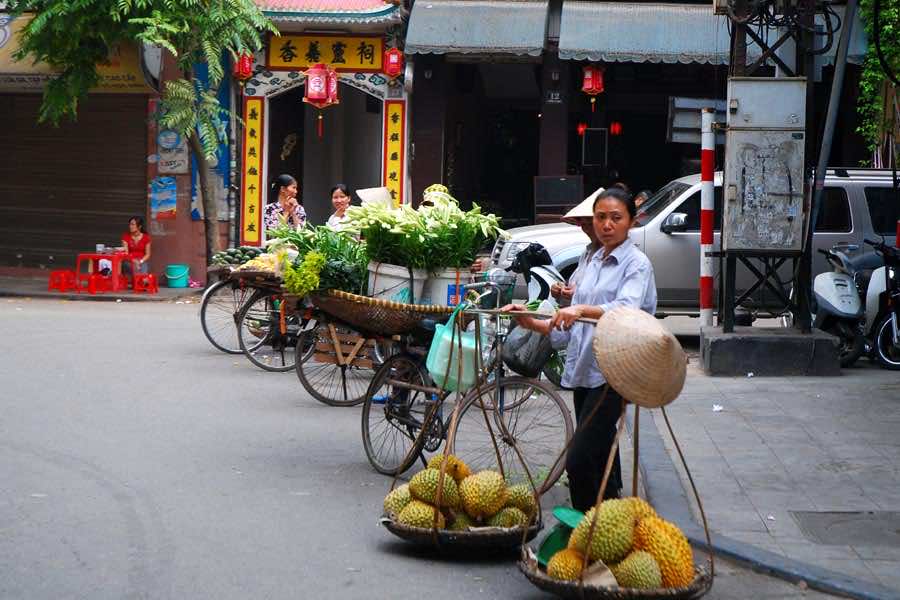
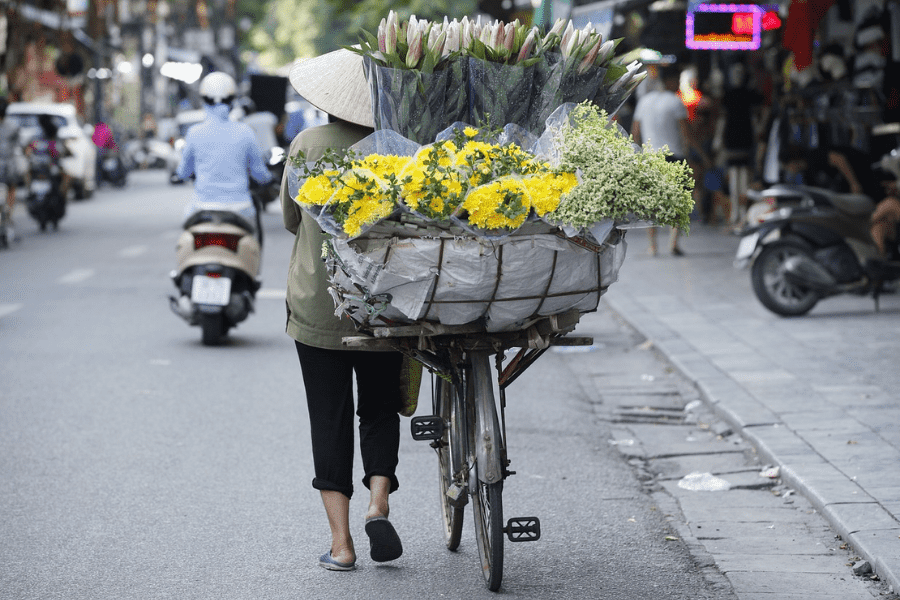
    This is the time to visit any attractions with gardens or natural scenery. The flowers blossom at this time of year, creating some heavenly surroundings. You can see baskets of Lily flowers all around the city. Both the West Lake and Hoan Kiem Lake are must-see areas during the Spring, and it is worth looking at the Temple of Literature, just to see the beautiful courtyards. 

    Seasons of Hanoi
    Image by Khoa Nguyen Dang from Pixabay

    It is worth renting a motorbike to explore Hanoi at this time of year. The cooler weather allows you to spend more time outside exploring the city. The West Lake has a variety of hip coffee houses where you can sip coffee and relax of the terraces looking at the stunning views this season brings to the area. 

    Another delight to experience is the range of cuisine available. There is a bigger choice of culinary delights during Spring. It is an in-between season. You can taste a mixture of local fresh food and dishes not possible any other time of year in Hanoi. We can take you on a city tour if you want, to take away the pressure. Contact us at Absolute Asia Travel for a personalised itinerary during the Spring. 

    Summer – May to August (Temperature around 30-38c)

    You’ll be hot and sweaty during the days of Summer, with temperatures hitting 40 degrees. You’ll feel alive during the vibrant evenings around central Hanoi, as the evening brings a cool breeze and with it a new vibrancy to the sky. The Summer is a time for laziness during the day and outings for the night owls. It is a busy time of year here, as schools are on their Summer Holidays. Try to get everything booked early. 

    This is a time to see Hanoi’s climate bring floral arrangements into full bloom. Although a little way off the tourist track, you’d appreciate a trip to West Lake. The Lotus Bloom during June will have you twisting and turning around this area just to explore the diversity. For ladies, it is the perfect time to pin a corsage to your attire. It is a lucky charm, after all! 

    Seasons of Hanoi
    Image by Caoanhtuan

    This is a time to sit on the terraces early evening. Whether you want an iced tea or coffee, or a cold beer, this is the perfect time to enjoy a beverage and absorb the fabulous sunset Hanoi is given during Summer. You’ll see both locals and tourists packing the streets during the evening, shopping or buying local snacks from street vendors. Be prepared; Hanoi is a Summer of late nights, early mornings and regular siestas!

    The Autumn/Fall – September to November (Temperature around 22-28c)

    There is not quite the allegro of change in any season in Hanoi than the one which moves from Summer to Autumn. After the blistering heat and immense solar rays of summer, the tempo is switched almost immediately into a new chapter. 

    It starts hot, then warm, then it gets cooler. The locals say the change is in the wind. The sunlight is bright, but the air is cooler. Suddenly, all notions of the senses seem to change. The leaves turn red and yellow and start to fall, the sound becomes serene, calmer and the is a new scent in the air. This is the season for Romance, for literature, for complete reflection. The West Lake will have many starry-eyed young couples walking amidst the alluring scenic floral areas.

    The scent of milk flowers defines the Autumn of Hanoi. This sweet fragrance is cooler and more subtle than the floral aromas of Summer. Everything about Hanoi feels calmer and cooler during Autumn. Walk around the lakesides and take in the fresh air given by the flowers and trees. Try the green sticky rice, a dish enjoyed only in the Fall.

    Seasons of Hanoi
    Image by Tu Cong Van

    This is the time where you can be the complete tourist trotter, as you can see most attractions without much effort. At 22-28 degrees, it is the perfect temperature to walk around and see the city on foot. The climate in Hanoi is kind to the soul during the Fall. It is also quiet as it is low season, giving you more freedom to explore the city. For a more informative visit get one of our tour guides at Absolute Asia Travel. 

    Winter – December to January (Temperature around 6-20c)

    The Winter climate in Hanoi can get surprisingly cold, at times going below 5 degrees. For the most part, though, the Winter is a mild 15-20 degrees. You’ll need a pair of long trousers or jeans and a sweater or fleece top. It is also wise to bring a flask in case you want to keep drinking hot water during the day. 

    Aside from the cold, Hanoi is most definitely in peak season from the middle of December onwards. As it is holiday time, there is so much to enjoy during the winter climate in Hanoi. We can recommend three activities.

    First, walk around Hoan Kiem Lake during the weekend and enjoy the local music and craftspeople while it is cool. Enjoy the atmosphere the Winter provides, as lots of people are out playing games and eating local snacks. Why not join in with the games, dancing or crafts-making yourself? There are opportunities this time of year. 

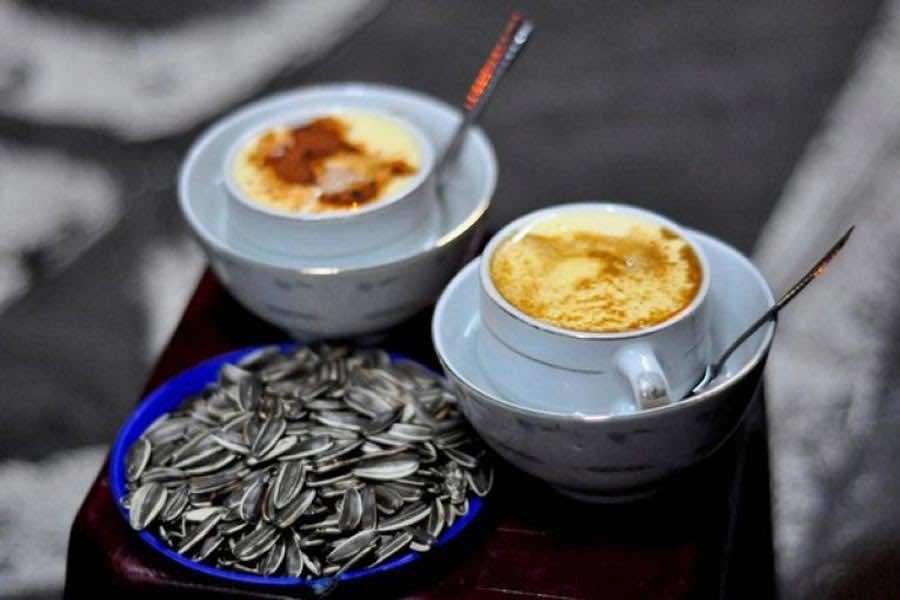
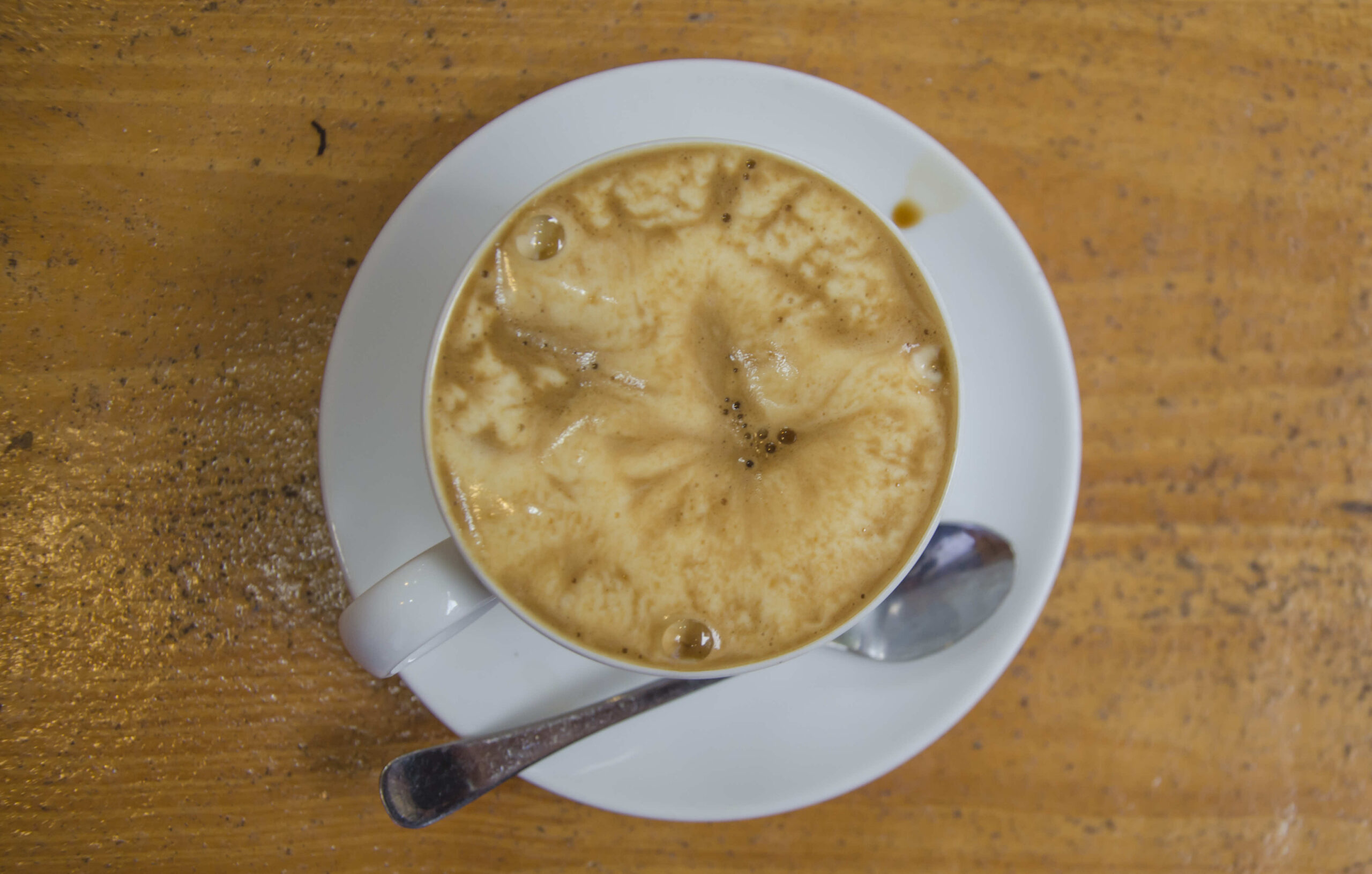
    Then, go and eat local chicken or beef pho (hot noodle soup), something to warm you up in cool weather. You can get this in various eateries just off the lake. Get an egg coffee as well, a drink so comforting in this season’s climate in Hanoi. Enjoy the coffee with a local cookie, such a scrumptious treat.

    Seasons of Hanoi, egg coffee

    Finally, go to the Christmas and Flower Shows if you are in Hanoi late December. They are both elaborately organised, with so much to see. They are wonderful shows! 

    They only take place once a year and are unmissable events. Come and enjoy, as tis’ the season to be jolly after all!

    Which climate in Hanoi do you like most?

    Let us say, come rain or shine, we can offer all kinds of trips and itineraries to suit your trip to Hanoi. Choose your season and climate in Hanoi to begin your travel plans. You will make the most of your visit if the climate in Hanoi suits you. Let us know at Absolute Asia Travel which climate suits you most, and we’ll talk with you about it in more detail. See you in Hanoi!

  • A Brief Guide to Closest Airports to Halong Bay

    A Brief Guide to Closest Airports to Halong Bay

    Planning a trip to Halong Bay, it’s best to know clearly which is the closest airport. There are 3 airports close to Halong Bay that you can fly into from various destinations in Vietnam. It’s even possible to fly into Tuan Chau Halong Bay directly by a seaplane from Noi Bai airport in Hanoi!

    Which are the Airports Near Halong Bay ?

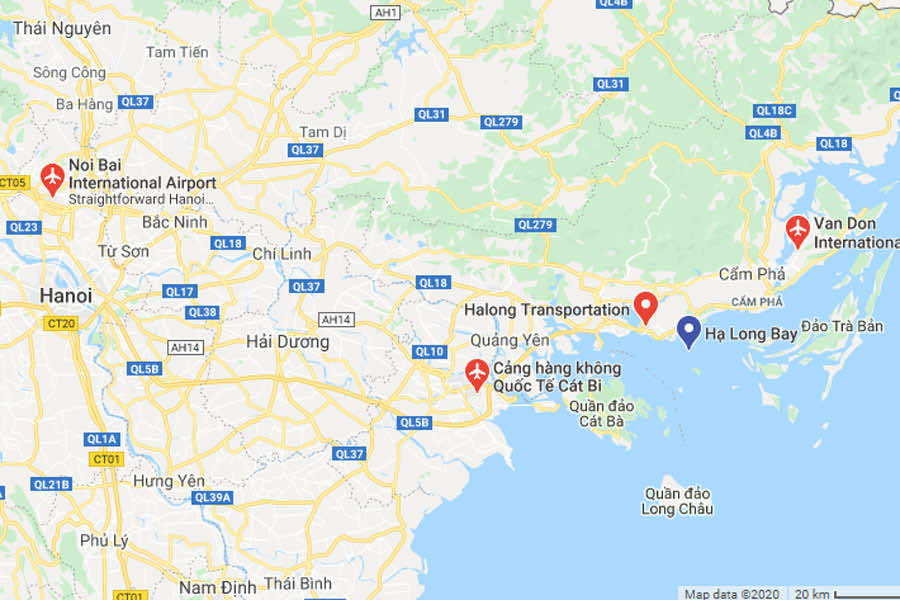
    Van Don, Noi Bai and Cat Bi are the 3 closest domestic and international airports to Halong Bay as you can find in the below map.

    closest airport to Halong Bay
    nearest airport to Halong Bay

    Distance and travel time

    Airport Distance to Halong Bay Travel Time
    Van Don International Airport (Quang Ninh) 53 km 35-45 minutes
    Cat Bi International Airport
    (Hai Phong)
    45 km 50 min – 1 hour
    Noi Bai International Airport (Hanoi) 193 km 2-3 hours

    1. Cat Bi International Airport (airport code: HPH)

    This is the closest airport servicing the 3rd largest city of Vietnam: Hai Phong. The distance between Hai Phong and Halong Bay is around 45 km only (~50 min – 1 hour drive). 

    Location: Cat Bi, Hai An, Hai Phong
    Airport code: HPH
    Pros: There are many direct international flights from Seoul, Tokyo, Bangkok to Hai Phong. Cat Bi airport location is convenient for those who plan to visit Halong Bay, Cat Bat Island and Lan Ha Bay (27 km or 30 min. drive)
    Cons: Not many international flight options in comparison with Noi Bai airport in Hanoi.
    Official website: Catbiairport.vn

    2. Van Don International Airport (airport code VDO) 

    Van Don International Airport (Quang Ninh Province) is the newly constructed airport built to serve the area surrounding Halong Bay. It’s around 53 km from Halong city. It can be accessed by the brand new expressway connecting Van Don and Halong City. The travel time from the airport to Halong city is about 40 minutes. If you travel to Halong bay from Ho Chi Minh city, you might consider flying to Cat Bi airport or Van Don Airport as it takes less time to travel to Halong City where you board the cruise boat.

    Location: Doan Ket, Van Don, Quang Ninh
    Airport code: VDO 
    Pros: Closest airport to Halong bay, less travel time. (53 km or 40 minute drive)
    Cons: Not many international flight options as it is newly built.
    Official website: https://vdia.com.vn/

    3. Noi Bai International Airport in Hanoi (airport code: HAN)

    Noi Bai international airport is one of the main airports in Vietnam servicing the capital of Vietnam: Hanoi. It is about 200 km from Halong City.

    Location: Phu Minh, Soc Sơn, Ha Noi 
    Airport code: HAN 
    Pros: Plenty of domestic and international flight options.
    Cons: Transfer time is longer than flying into Cat Bi Airport and Van Don airport (193km, 2-2.5 hours of transfer time)
    Official website: https://noibaiairport.vn/HOME/Default.aspx

    If you wish to try something different, hop on Hai Au seaplane for one hour journey from Noi Bai airport in Hanoi to Tuan Chau Marina. The flight time is 45 minutes plus 15-minute sightseeing over the 3 bays including Halong Bay, Bai Tu Long Bay, and Lan Ha Bay to enjoy spectacular bird-eye view and capture great photos of this UNESCO World Natural Wonder. By the way, we recommend booking an overnight cruise where you will lazily sail emerald green waters among thousand of rugged islands and islets. It’s a once of a lifetime experience in Vietnam.


  • The travellers’ Dozen Places to Visit in Hanoi

    The travellers’ Dozen Places to Visit in Hanoi

    The travellers’ Dozen Places to Visit in Hanoi

    Xin Chao! Welcome to Hanoi! 

    In this post, I will give you a quick run-through of 12 places to visit in Hanoi. These are the traveller’s dozen to see while you are in Hanoi. You have such a diverse array of places to see in this city, all of which are fantastic experiences.

    Let’s begin with the major attractions, then move to some places that are off the beaten track a bit:

    Hoan Kiem Lake

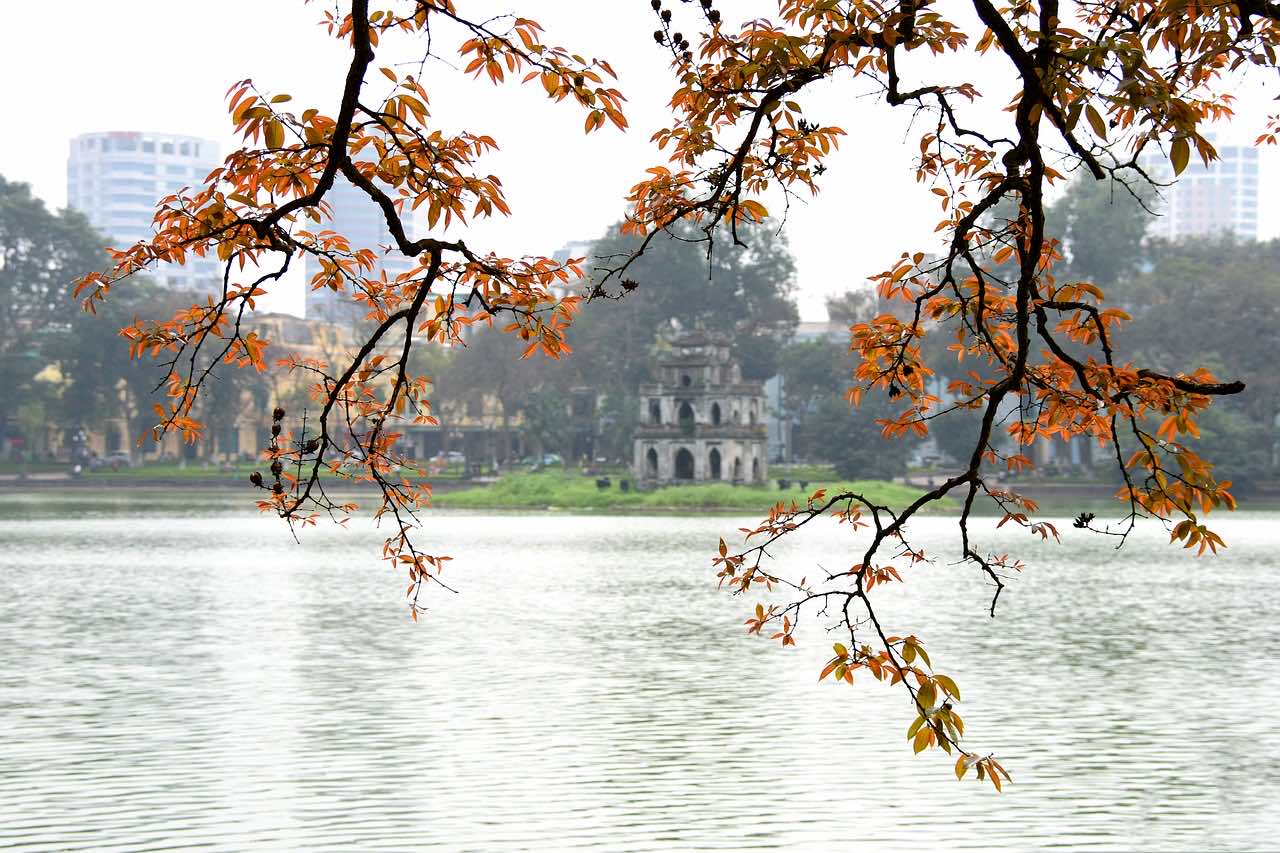
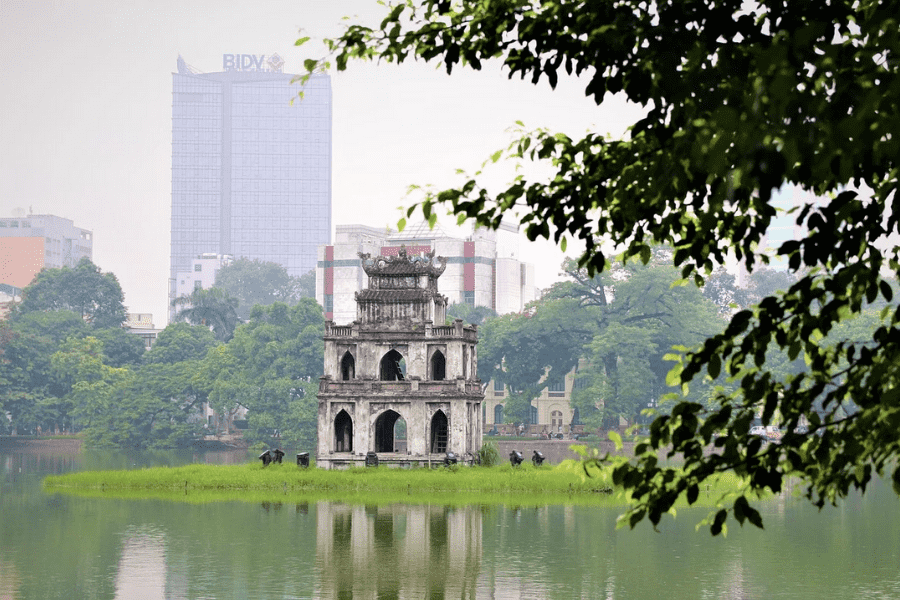
    This is the central point for most attractions around Hanoi, and one of the places to visit in Hanoi. It is known as The Lake of the Returned Sword. You can see the Turtle Tower in the middle of the lake. The legendary story goes back to the 13th Century. Vietnam defended herself against the mighty Kublai Khan and the Chinese invaders. Turtles are considered very auspicious, so some were given a habitat here. Seeing one here can bring you success. Have a look and see if you can spot one!

    All in all, the weekend is the time to come along to see one of the places to visit in Hanoi. The lake becomes a pedestrianized zone; You’ll see children building life-size Jenga Towers; romance is in the air in the many dancing rings around the lakeside; musicians and craftspeople will charm you with their local delights. Come and visit the Lake of the Returned Sword!

    The Thang Long Water Puppet Theatre

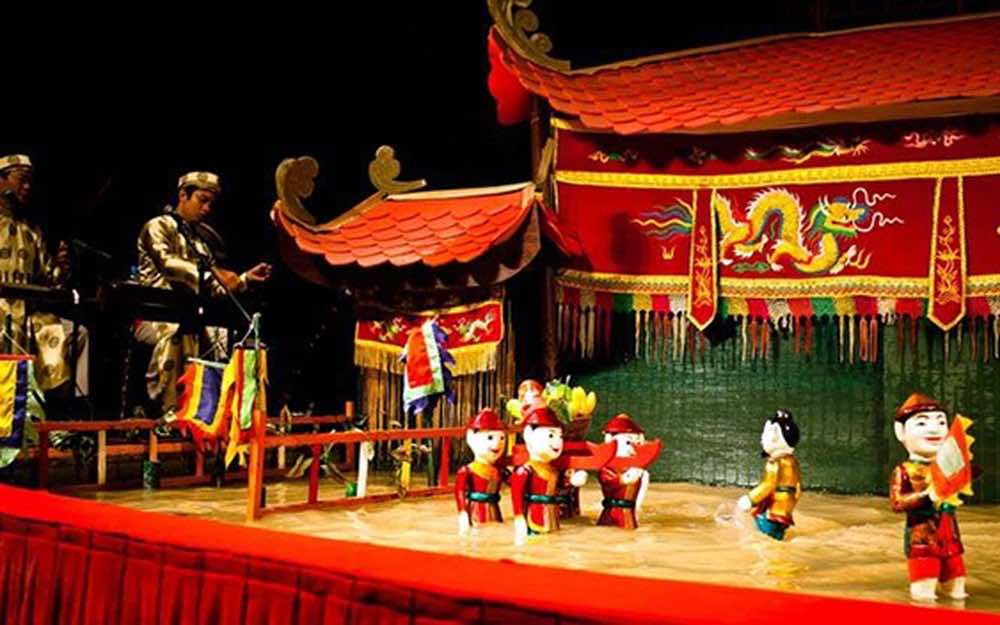
    Sitting at the side of the lake is an old building, nothing special at all. Yet the magic and energy inside make this one of the places to visit in Hanoi. You’ll see a traditional and local performance that is not available outside of Vietnam. 

    The Water Puppet Show is an exciting mix of local instruments, lighting shows and some excellent puppetry skills. It all takes place in a water theatre. It is an unforgettable performance. At $4-5 a ticket, you can go to designated performance slots each afternoon and check out a unique part of Vietnamese culture. Get yourself a souvenir as well. This is not to be missed!

    St Joseph’s Cathedral

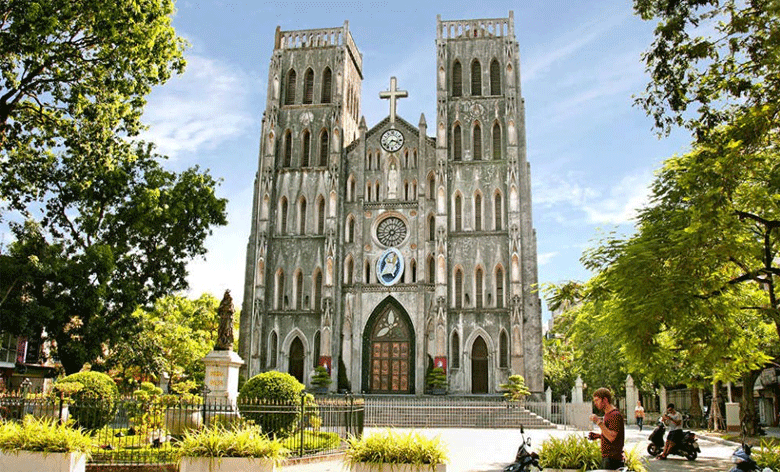
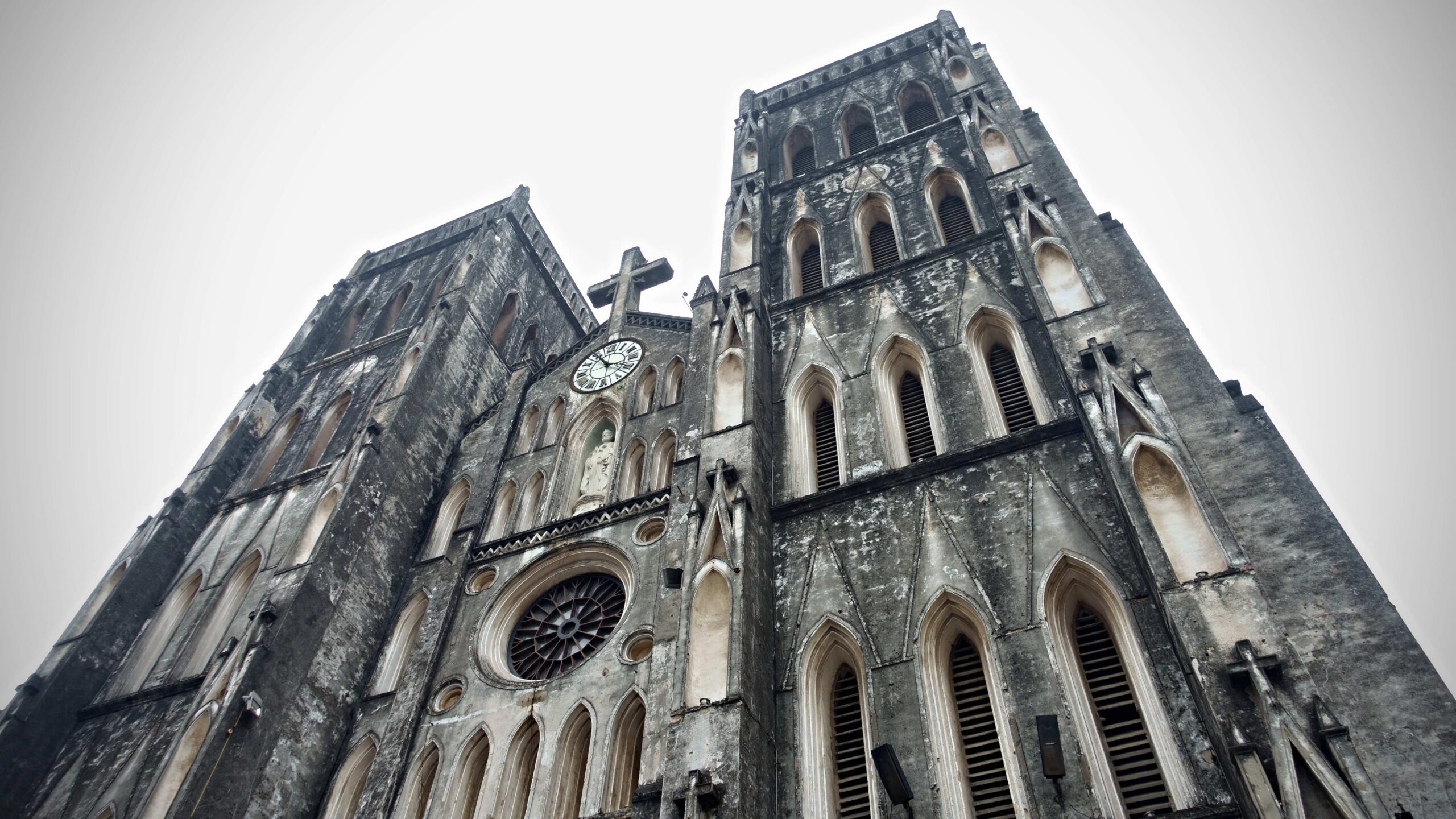
    This Neo-Gothic Marvel is one of the places to visit in Hanoi. This is a Gothic revival Cathedral built in the late 19th Century and is located at the heart of the Old French Old Quarter.

    St Joseph’s Cathedral serves as the Archdiocese for the Catholics across Vietnam. It is named after Joseph, the Patron Saint of Vietnam, and was one of the first buildings constructed by the French after they arrived into Indochina. St Joseph’s Cathedral is a must-see and a definite stop while in Hanoi.

    The Night Market

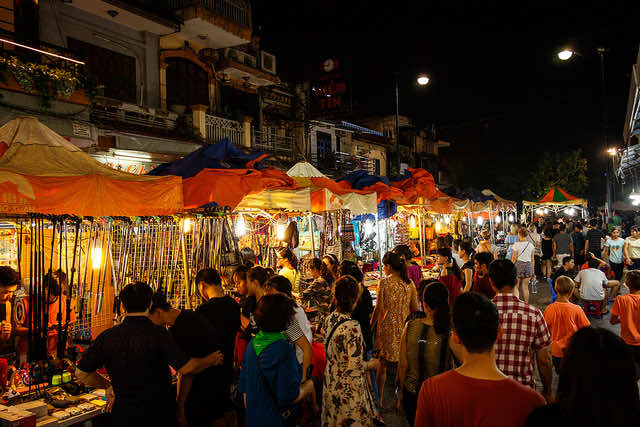
    When you visit the Old Quarter, you’ll find yourselves walking through small streets. There’ll be a variety of sights, sounds and smells that will awaken the senses. Imagine all these feelings becoming a huge melting pot of senses; welcome to the night market!

    It is a truly pulsating experience and one of the places to visit in Hanoi. There’s so much to look at, so much to buy, so much that is cheap. Come and have a look at the vast array of goods on offer. It is a place to check out on the weekends. 

    Ta Hien Beer Street

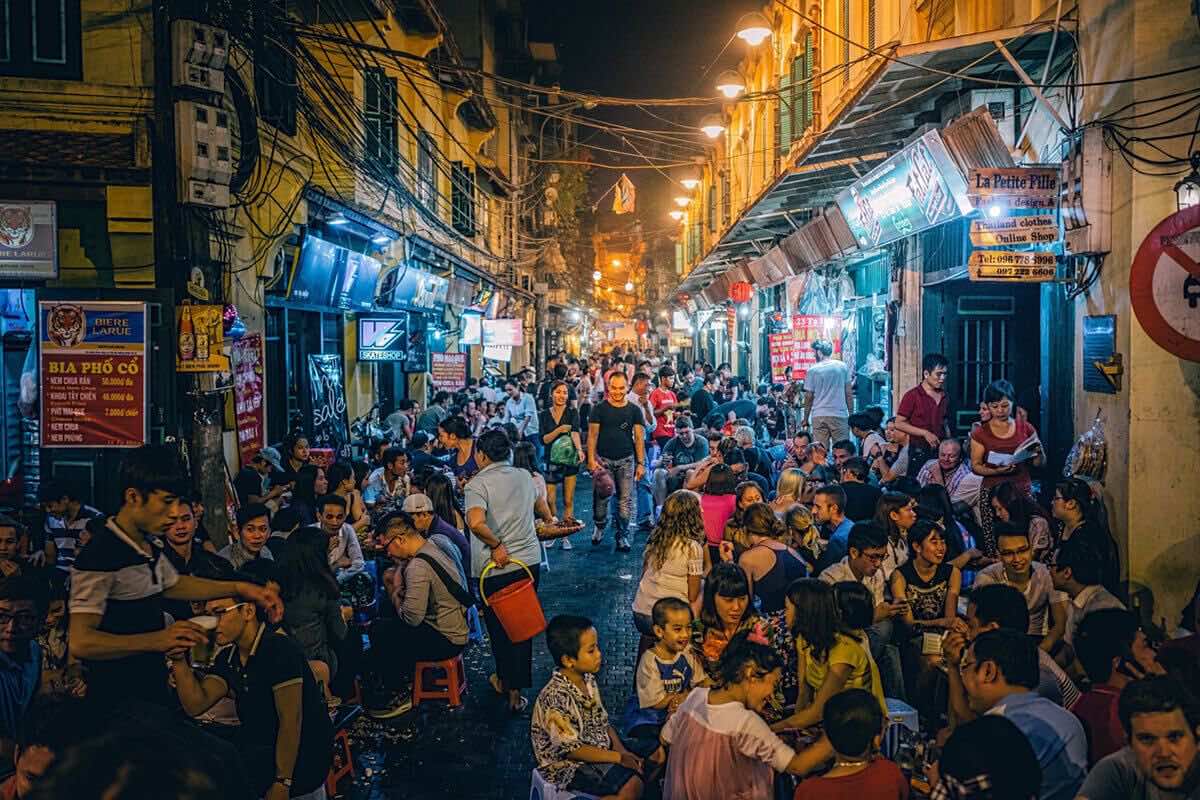
    This is one of the places to visit in Hanoi during the evening, when the bars are opening and the entertainers and street sellers are hustling and bustling around the alleyways, selling all kinds of fascinating stuff.

    Located close to the night market, it is an area where you can get a range of drinks and snacks while sitting alfresco and watching the world go by. Check to see which places offer the local Bia Hoi; this is a sampling experience to be had in Hanoi.

    Ho Chi Minh Mausoleum

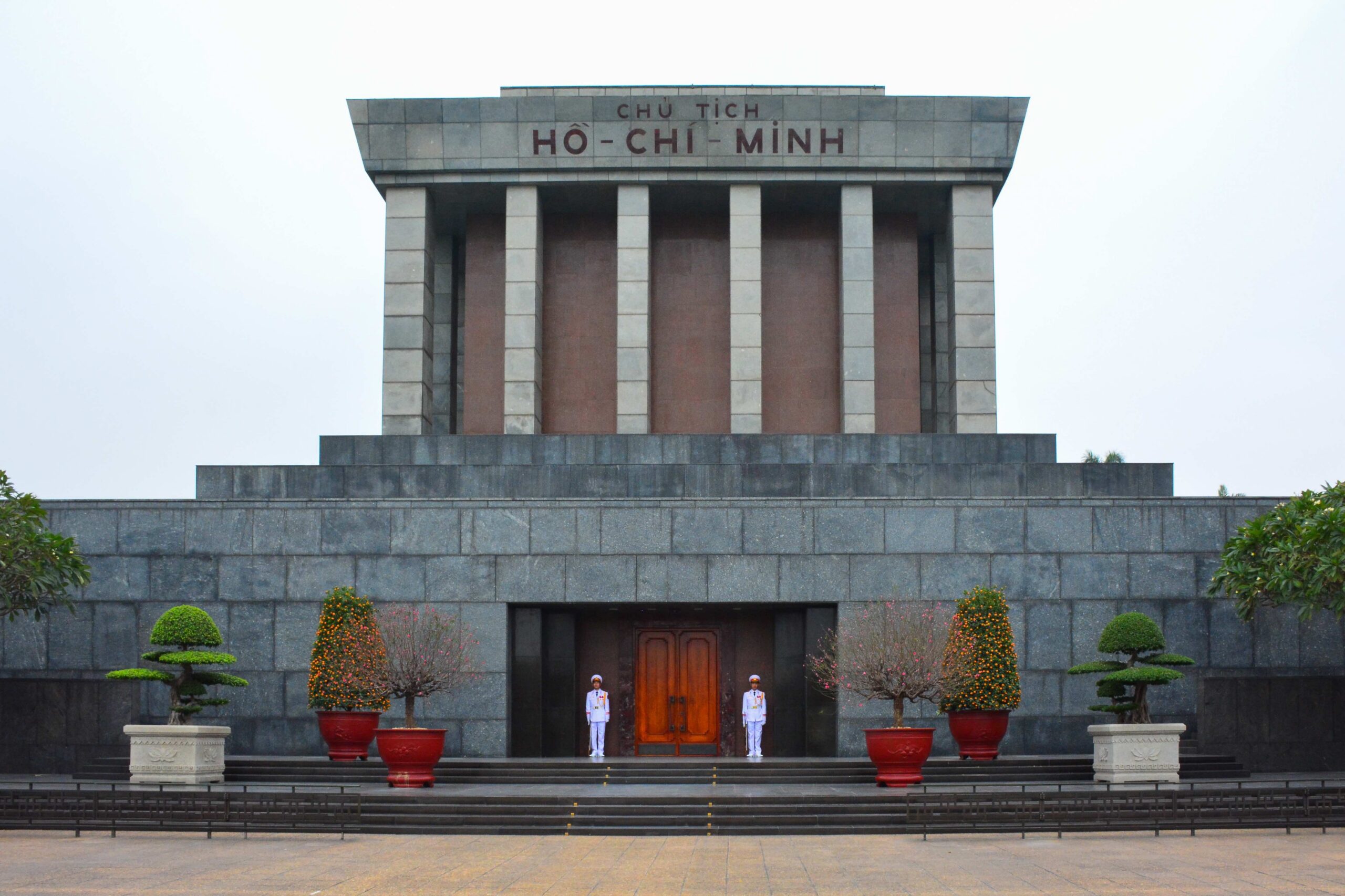
    This is the resting place of the legendary revolutionary and great leader Ho Chi Minh. Nicknamed Uncle Ho by the locals, this is the place all Vietnamese citizens are expected to visit at least once, to pay their respects. 

    It is only open during the morning, 8.30-10.30, so be sure to arrive early. Dress code is a long sleeve, trousers and no hats or sunglasses. It is to show your respect. You’ll see nothing like this Mausoleum in the West. It is one of the places to visit in Hanoi. 

    Hoa Lo Prison

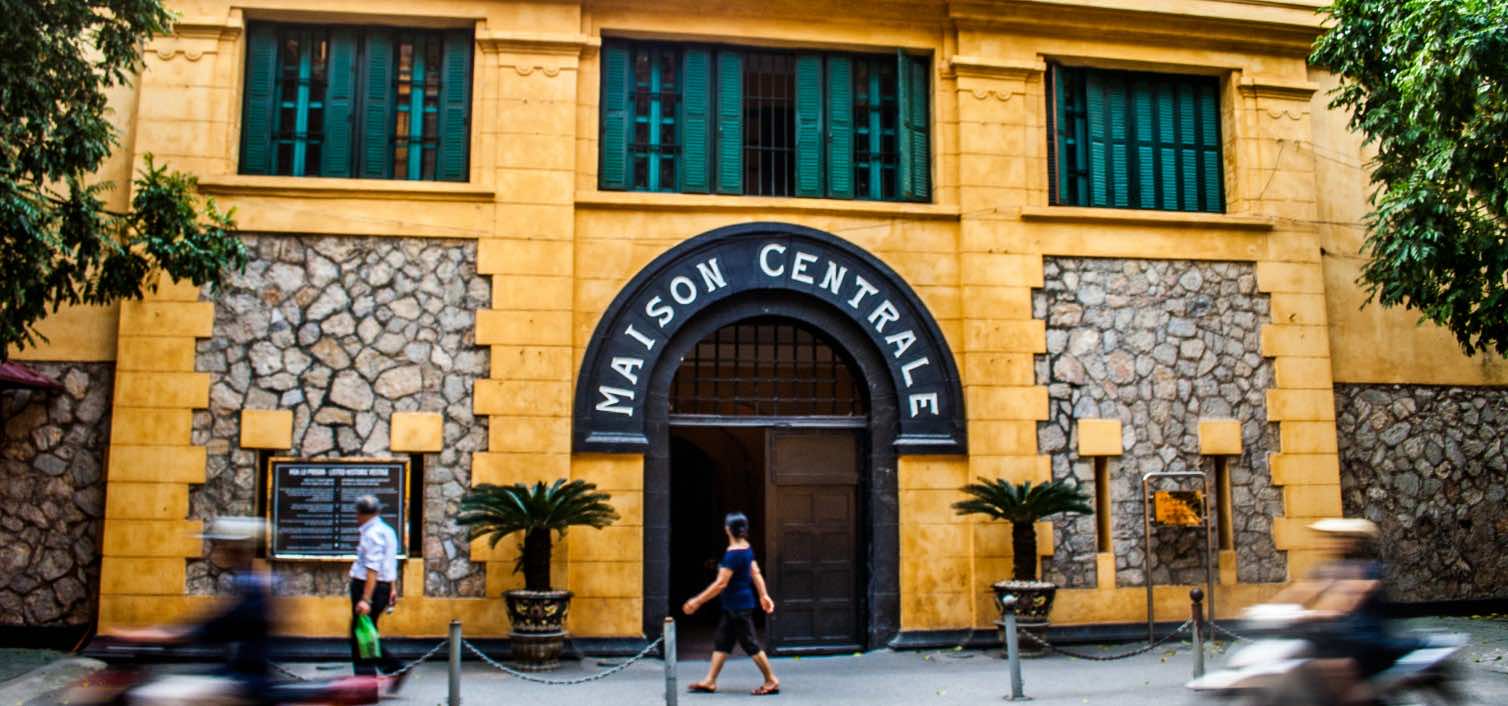
    Located on the outskirts of the Old Quarter, Ho Loa Prison is a venue with a lot of history; some very dark and troubled history. It was a homestay for Revolutionary Prisoners of War during the French Colonial Period and held US Soldiers Captive during the US Intervention in Vietnam. One famous captive was the late US Senator John McCain.

    There are so many sights and stories here that will change your perspective in different ways. You’ll learn how prisoners got food to survive, what happened to the dissident prisoners and the new outcomes and aims of the now Hoa Lo Prison turned Tourist Attraction. It is one of the places to visit in Hanoi.

    The Temple of Literature

    This place is around 1000 years old and was built by Emperor Ly Tang Thong as a place to worship Confucius. Once a place known as the Imperial Academy, where many scholars and Mandarins graduated before undertaking important civil servant roles in society.

    The Temple and Courtyards are what remains as a memory to a distant past. The Fifth Courtyard holds the grounds of the Imperial Academy; be sure to visit all the courtyards here. It is just a 15-20 stroll from the Old Quarter; this is one of the places to visit in Hanoi. 

    National History Museum

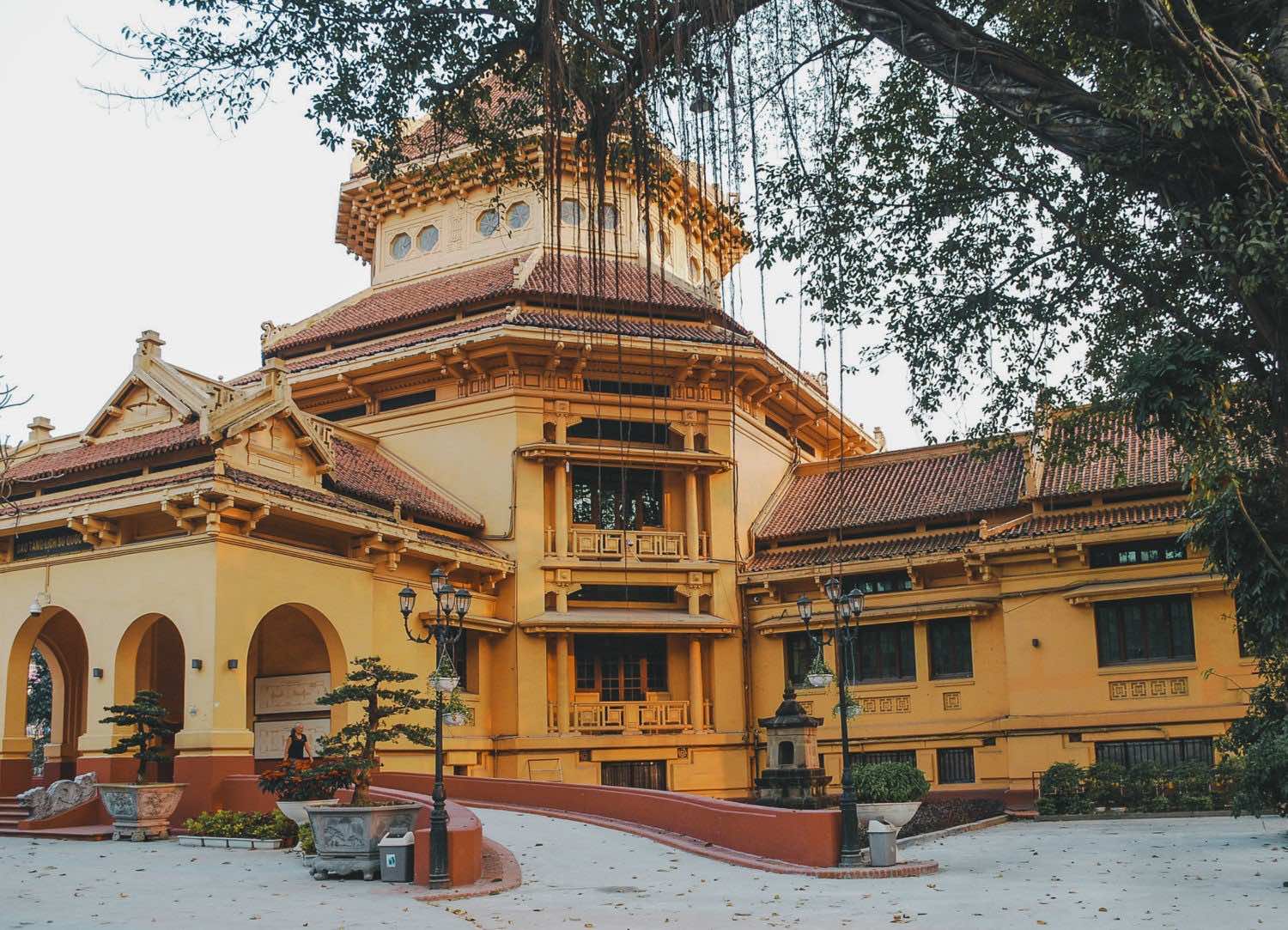
    If you like history, particularly, pre-history, then this is for sure one of the places to visit in Hanoi! Back in those days of French Rule, this place was the archaeological research institution for the French School of the Far East.

    Redeveloped in the late 1950s by the Government of Vietnam, this place was expanded to include Eastern Artistic History as well as various sources showing the National History of Vietnam. Some of the artefacts go back as far as the Neolithic and Bronze Age. A great educational afternoon, away from the blistering sun outside. 

    Train Street

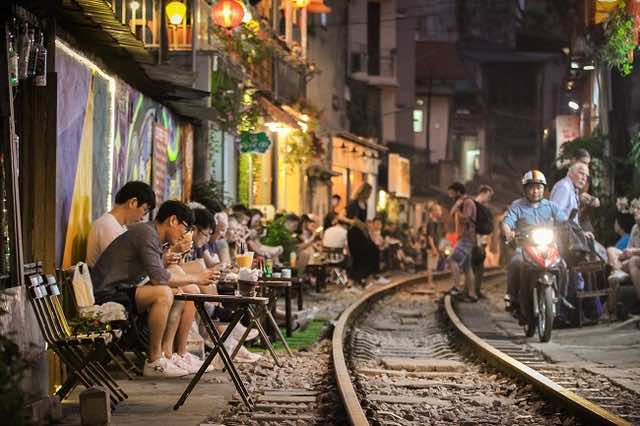
    A popular choice for overseas tourists, this is an amazing photo opportunity. The train street has something unique to most around the world; locomotive trains going through residential neighbourhoods every day! 

    You can see the locals hanging out their washing, cooking BBQ and playing games outside their homes. It is like most street life of Hanoi really, except there is a train track right outside their home timetabling a break in their daily activities. This is one of the places to visit in Hanoi, Come and gaze through to the neighbourhoods to see a distinctive view of local life in Hanoi. 

    Long Bien Bridge

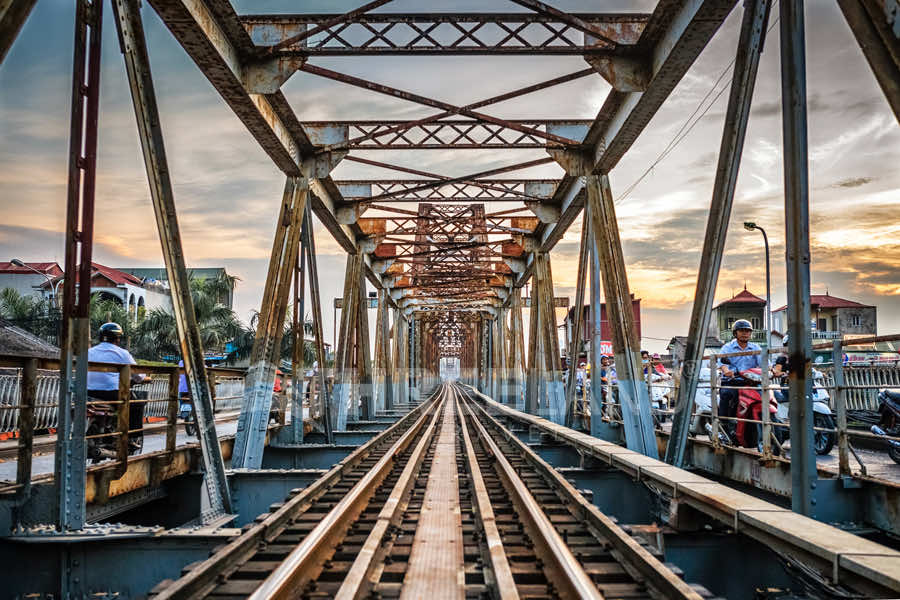
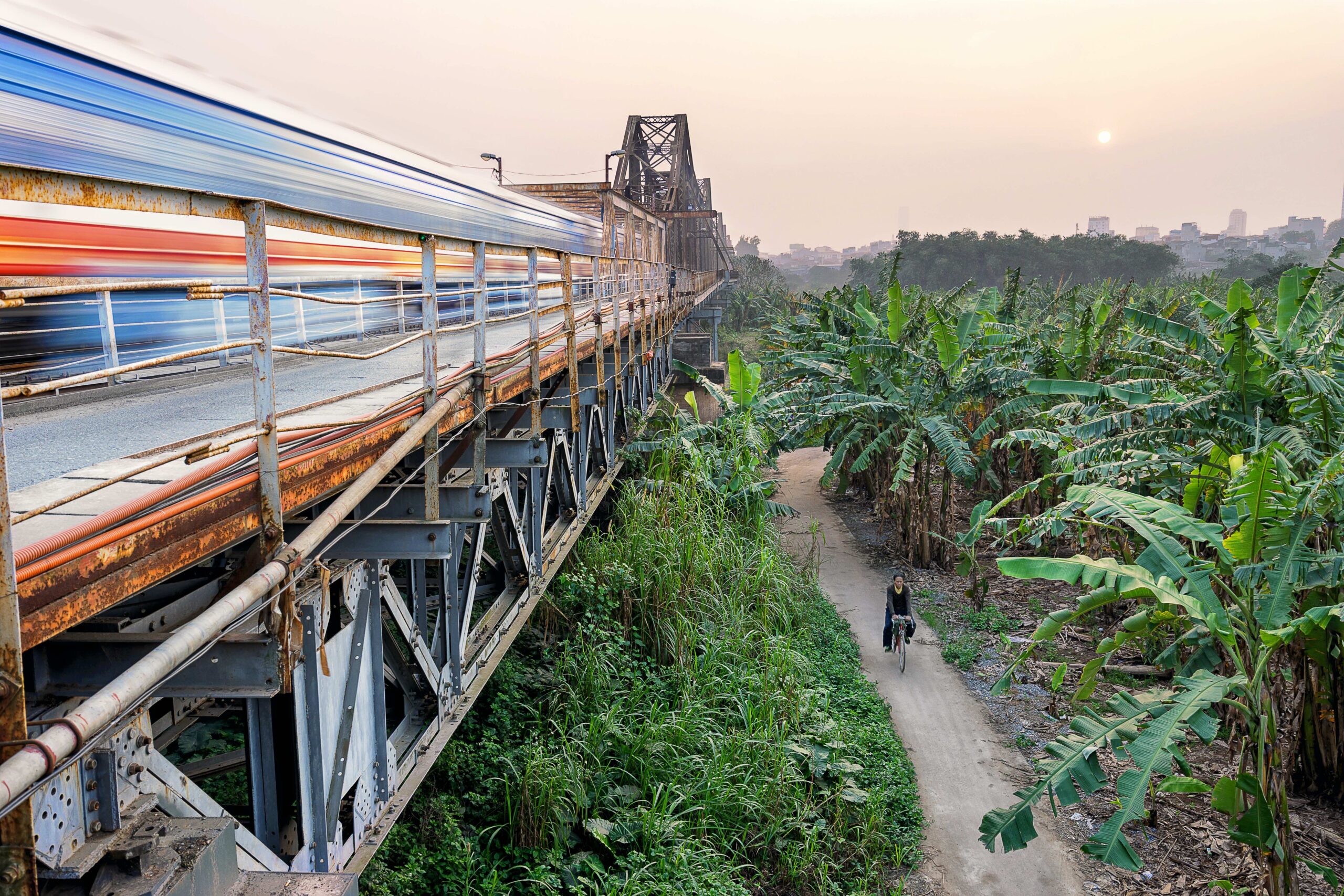
    Completed in 1902 by architects Daydé & Pillé, this cantilever bridge connects Hoan Kiem to Long Bien. At 2.4km long, this was once one of the largest bridges in Asia and opened a significant path for trade, commerce and transportation across the red river in Hanoi.

    Although rarely used nowadays, it is one of the places to visit in Hanoi due to its rustic grounds and area for exploration. Some working families still live on boats under the bridge. This is probably because the Long Bien Bridge is in a central part of Hanoi and holds some spectacular views of the Sunset. 

    The West Lake

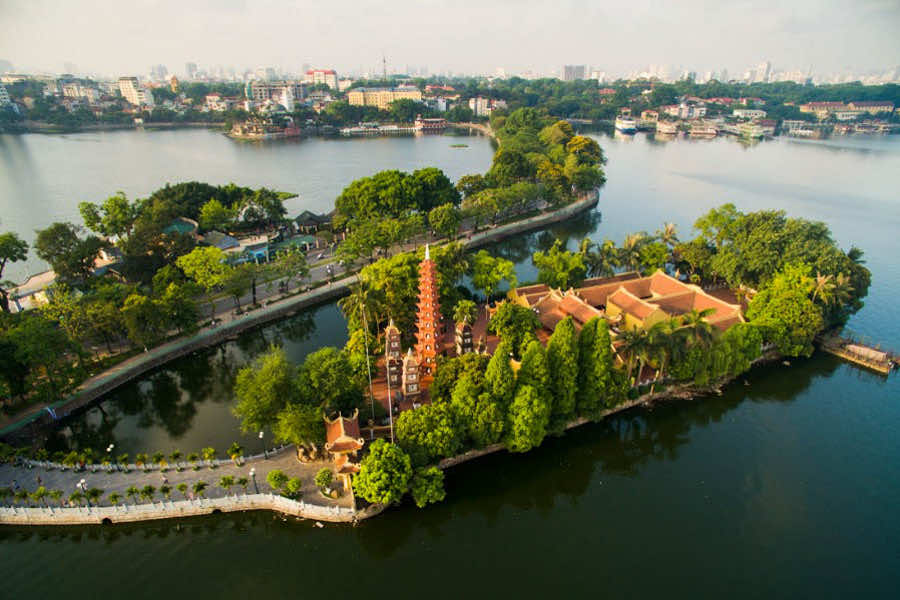
    Tay Ho District is a part of Hanoi that remains a little off the beaten track tourism-wise, yet it is one of the places to visit in Hanoi. The West Lake is a beautiful sight on a clear day, especially early evening. 

    Vietnam’s oldest temple, the Tran Quoc Pagoda, is located on the West Lake and is a must-see when you visit here. Another place is Quan Thanh Temple, one of Vietnam’s sacred temples built in the 11th Century. Add to this sightseeing experience some nice coffee shops, bars and restaurants and you can have a fantastic afternoon out around here. 

    There are so many more attractions in Hanoi, so much more to see and experience. These are just 12 of the places to see in Hanoi. 

    Want to know more?  Contact us at Absolute Asia Travel for more information. 

    Enjoy your city break!

  • Sapa weather, December: the superb surroundings

    Sapa weather, December: the superb surroundings

    Good day everyone, and welcome to our blog! We want to give you some practical information about Sapa weather, December – but let’s start with Sapa Town itself. Sapa is a small mountain town in the region of Lao Cai. It is in Northern Vietnam and borders Southern China. It is a town made up of many different ethnicities, such as the H’Mong, Dao and other local tribes that reside around this mountain area.

    Photo by Jireh Foo on Unsplash
    Photo by Jireh Foo on Unsplash

    The Sapa as we know it

    Let’s tell you more about Sapa in December. You’ll need to know what to prepare and what to expect. We’ll recommend places for you to visit and stay at this time of year. We’ll also look at certain special events that usually take place during the holiday season during late December. Sit down, have a read and get ready to make a few notes.

    Sapa is a very quaint town, full of very hospitable and gregarious people. They always want to show you a good time. You’ll see them hustling and bustling on market days here. You’ll also see them doing various activities around the church and lakeside during the evening. You should try some of their local food, as the BBQ is delicious! Get that with a nice iced tea and beer and you’ll be well away in the moment. 

    Image by Poswiecie from Pixabay
    Image by Poswiecie from Pixabay

    So, what’s the atmosphere like in the Sapa weather, December?

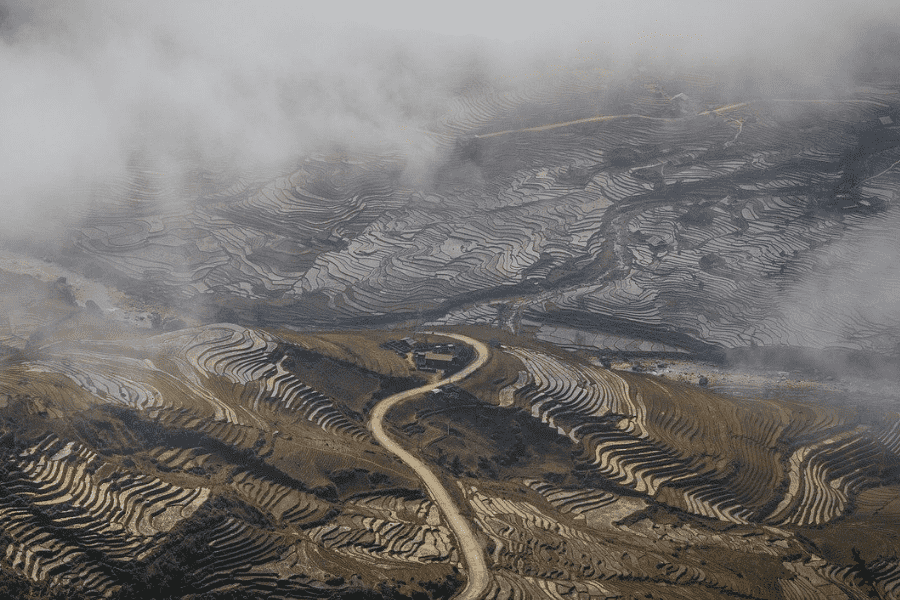
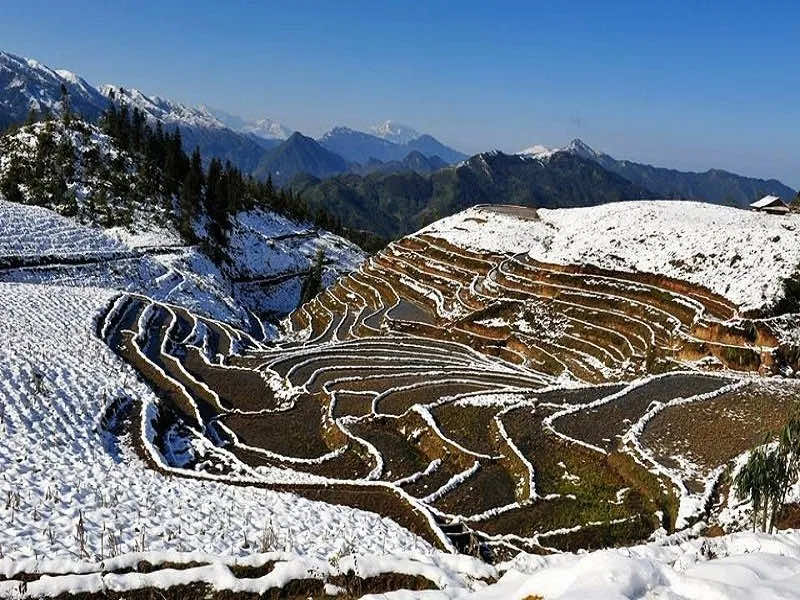
    Well, you might want to think twice about having cold drinks in December. You see, Sapa can get very cold during this time. You might not want to sit outside, even though you’d want to as it is beautiful this time of year. You’ll be amazed at how the rice paddies and the mountainous landscape gets covered in fine white silk at times. Snow usually falls anytime between the 15th December to the 2nd January and lasts for 1-2 days. For the rest of the time, the fresh air and rugged terrain make the Sapa area feel like it is taking a breather and cooling down after a busy year. 

    Photo courtesy of trekkingsapa.com
    Photo courtesy of trekkingsapa.com

    Although cold, with some biting winds, the Sapa weather, December, can get very busy. It depends. It is peak season at this time of year across Vietnam. You might find some places to be extremely quiet, as they don’t want to face the cold mist.

    Other places can become very busy, especially lodges, bars and restaurants on the main town road during the late afternoon and early evenings. Christmas and the Gregorian New Year are popular times to visit Sapa and Vietnam in general. Try to book your transport ahead where possible. We can help you at Absolute Asia Travel. 

    How can I prepare for Sapa weather, December?

    As mentioned, it does get cold in Sapa. You should take some warm clothes with you, but not too heavy. You can get insulated, lightweight clothes at hiking shops around the world. If you forget, you will be able to pick up some clothes at the Sapa market. 

    Another thing to prepare might be some hiking items, like a hiking stick and torch. That’s because they are useful, even on day trips. You’ll be doing a bit of walking up and down hills through the villages and to the scenic points in the Sapa area. A first aid kit, with some bandages and medicines, are also useful. There are pharmacies in town, but you might not be able to pick up any brand you are familiar with. Sapa weather, December, looks beautiful but it can also be a little dangerous, as it is quite slippery on the roads. It is better to be safe than sorry at this time of year. 

    Image by TeeFarm from Pixabay 2
    Image by TeeFarm from Pixabay

    Another thing that is becoming a must is a mobile phone SIM Card. You can usually pick one up at the airport on arrival. If not, ask your hotel for help. This will let you use internet data while you are travelling.  

    Don’t forget a bit of extra money, to get food or gifts for some of the locals. The scenery is nice for us, but it isn’t good for their farms or income. Bring your Christmas Spirit to Sapa and offer kindness to those who would appreciate it so much more than usual!

    Places to visit, around town and in the valleys

    You’ll need to see if you can fit in the time to see all places in Sapa, the nature spots around Sapa, plus the villages. There is so much to see. We recommend you book a tour guide, which we can offer at Absolute Asia Travel. Here are a few we’d recommend. We’ve had such great times in these places!

    The Sapa Church – Holy Rosary Church

    Many a local always came up to us to tell us about their church. This is their church in Sapa. It looks magnificent when covered in snow when in Sapa, weather, December. It is built by stone and is over 100 years old. To add a local touch, the church is decorated with sand, lime and molasses in its structure and is surrounded by some exquisite gardens. Check out the local’s activities around the church every Saturday night, and come visit over Christmas to give your special thanks and gratitude. It’s a sight worth seeing. They have a very special evening arranged on December 24th, to bring in Christmas.

    The Sapa Lake

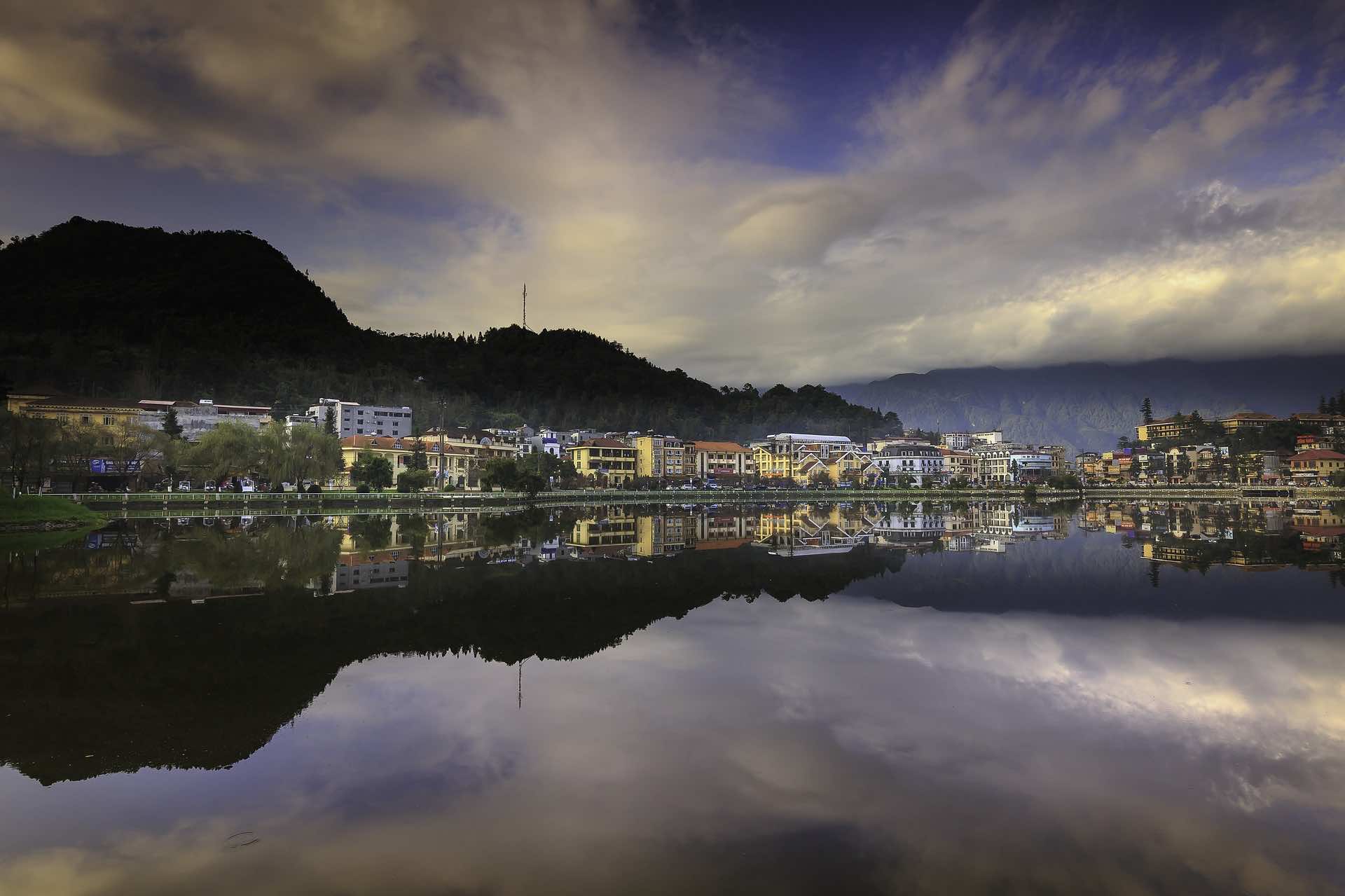
    This lake has wonderful views all year round and is a must-see during your time in Sapa. Come take a walk around and check out the local life around this area. Don’t forget to bring your camera, as you won’t want to miss out on some incredible photo shots to be had.

    Image by Quang Nguyen vinh from Pixabay
    Image by Quang Nguyen vinh from Pixabay

    The Hoang Lien National Park

    This National Park is home to the highest mountain around Sapa, the Fansipan Mountain. It is a plethora of nature, with flora, fauna and luscious greenery encapsulating the area for most of the year. During December, the rice paddies and mountains command the scenic views, with white sprinkled tops and mist-driven hilltop areas being the places to see and visit. Hoang Lien National Park has been a source of focus for many geologists in recent years and valid reason; it has so much to explore, even in December. You have got to visit this place while staying in Sapa. It is a must!

    Mount Fansipan

    Located in Hoang Lien National Park, this is a tour to take to make the most of your experience of the Sapa weather, December.  This is worth a hike or a trip to the top on the cable car, purely for the enchanting views created by the mist and foggy areas encompassing the landscape. Mountain Fansipan is a marvel that stands aloof of the other mountains in the rooftops of Southeast Asia. This is a Christmas gift to treat yourself while experiencing the Sapa weather, December.

    Krisztian Tabori on Unsplash 2 1
    Krisztian Tabori on Unsplash

    The ethnic minority villages

    To check out some of the picturesque hillsides and iconic rice terraces from the ground, you should check out some of the villages around Sapa. Go along the Muong Hoa Valley and check out the Cat Cat Village and waterfall to see the local life at this time of year. You’ll be able to purchase some unique gifts from the local H’Mong tribes here. The Ta Phin and Ta Van village are also recommended during this time in Sapa, weather, December. These places glitter with snowflakes when the snowfall comes along.

    Photo by Andreea Popa on Unsplash
    Photo by Andreea Popa on Unsplash

    Places to stay

    We can offer the home comforts and warmth outside of the cold in one of our finest hotels here. For those who want to experience a more localised Christmas, we can offer homestays or eco-lodges around the Sapa and Lao Cai area, offering their very popular Christmas Eve BBQ Specials. Come ask us at Absolute Asia Travel for recommendations and availability.

    Chris Slupski on Unsplash 1
    Chris Slupski on Unsplash

    Hope we have guided you a bit…

    We hope you can some useful information in this blog post guide. We want to make sure that you are safe in Sapa. We want to make sure that you make the most of the Sapa weather, December. Most of all, we want to make sure you have the most amazing and unforgettable December and Christmas you can ever have in Sapa and Vietnam. Come and chat with us for some more information at Absolute Asia Travel. Have a great holiday!

  • Hiking in Vietnam – the northern route; Swaying strongly on the Sa Pa stroll

    Hiking in Vietnam – the northern route; Swaying strongly on the Sa Pa stroll

    Let’s look at hiking in Vietnam…

    Hey guys, hope you are ready for something a bit different, a bit unique. A hike in Sapa Vietnam will challenge your fitness, hurt your muscles and will likely make you feel a bit exhausted at times. You’ll feel pumped up and amazing afterwards though! This strenuous bit of activity balances out with some great scenic moments along the way, as well as times of tranquillity and feelings of peace.

    It’s not quite Mount Everest, but it’s a tough call to trek anywhere across this part of Vietnam. Hiking in Vietnam here offers a fair amount of upside and downturn treks and you’ll search for a rest at times. The trails and wonderful views, of Sapa, the rice paddies, makes hiking in Vietnam make it worthwhile. This is one of the destinations not to be missed!

    Photo by D Tan on Unsplash 1
    Photo by D Tan on Unsplash

    How do I get to Sa Pa Town?

    You can take a bus or train to Sa Pa Town. The Sapa Express Bus has daytime rides operating every day. Taking a bus allows you to focus on the Sapa area and the surrounding areas you are looking to explore further on your trip. In Vietnam, it is usually better to take transport to places like Sapa or the national park areas rather than trying to hike along busy roads that are not well regulated or organised. Some people like to travel independently from Hanoi to the Sapa hiking trails. If you want a bit more adventure, you could consider hiring a motorcycle. Ask us at Absolute Asia Travel, as they might have a service like this to add to your itinerary.

    Photo by Krisztian Tabori on Unsplash 2
    Photo by Krisztian Tabori on Unsplash

    What should I bring with me?

    As is standard attire in any trek, you’d be looking a good, solid pair of hiking shoes or boots. You know, the ones with a strong grip that can help level you out during those moments before the peak, where the gradient is a bit steeper than usual. Waterproofs are useful at any time, considering you’ll be going into a damper climate the higher you get, plus there are waterfalls to explore as well. A backpack is needed, a small one for the essentials like a first aid kit and a water bottle. You’ll need a bit of water for hydration around the trails.

    The time of year decides the other clothing and accessories; there are four seasons where the scenery can change. Cooler, lighter clothes are recommended in Summer (June-August) although it’s worth taking warmer clothing during Winter (December-January), like a hat and coat. Also, think about equipment such as a hiking stick and a mobile phone with local sim card. This gives you stability, both physically and mentally. A good map is useful when on a walk along those hiking trails around Sapa.

    Photo by Linh Pham on Unsplash
    Photo by Linh Pham on Unsplash

    Can I prepare anything in Sapa Town?

    It’s possible to get clothes and equipment in Sapa from the ethnic markets. The H mong and other ethnic groups from the villages will sell you all kinds of toys for your trails. Some are good quality and cheap, but some aren’t of international standards. Rights reserved on their part; they can sell you what is required at their right price. You’re taking a risk, purchasing hiking equipment under the table. You don’t want to get soaked in your local waterproofs or slip in your bargain $10 hiking boots. Not recommended!

    Don’t forget to book a tour or a tour guide, where possible. You’ll be offered many tours the moment you arrive into Sapa. You can even book from Hanoi city before you go to Sapa. For information about tours, you can speak to Absolute Asia Travel, who will offer some advice and tips about the various ways to do trekking in Sapa and Northern Vietnam.

    Photo by Khoa Tran on Unsplash 1
    Photo by Khoa Tran on Unsplash

    Can I do anything in Sa Pa Town before my hike?

    It is recommended that you would consider a day or two in Sapa either before or after your ramble around some of the wonderful views in this part of Northern Vietnam. The local ethnic groups like Hmong are always holding some activities around Sapa; try and get a bargain at the market or chat with some of the locals about their experiences of Sapa. They’ll tell you about some popular spots around this area.

    You’ve got to get some photos at Sapa lake. Encircled by some lovely local architecture and encompassed by a towering mountain range it’s a lovely stroll around, especially during sunset. You can get some picture-snapping practice before the strong treks begin.

    Photo by seb. on Unsplash 1
    Photo by seb. on Unsplash

    Can you tell me more about the major trekking spots in Sa Pa?

    It is easier to put these into sub-headings, so you can get a better idea of what is in these places. There are natural spots to go hiking around. Furthermore, there are a few villages that other some beautiful treks, particularly through the rice paddies known in this part of Vietnam. Hiking in Vietnam through both nature spots plus strolls around the local villages and rice fields offers the best of the Sapa trekking experience.

    Muong Hoa Valley

    It’s stunning here. You’ll see a lot of natural beauty, providing the perfect still framed photo for your memories. In this place, you can go trekking to see the flower bloom in Spring, or just stop from time to time to take some spectacular photos and absorb some of the most incredible mountain views in Southeast Asia. A good tour guide will escort you to some of the go-to stops. They might even show you some ‘hidden gems’ on your wander through this valley pass.

    Silver falls and the love falls

    These are known to be the two famous waterfalls in the Spa and Lao Cai region. Renowned as places to travel to, they are not to be missed. They are associated with some ancient folklore stories, so it is worth checking out. It’s a refreshing hike around here. There isn’t any excuse to miss these popular side stops.

    Photo by Pathmarooban Nadarajah on Unsplash 1
    Photo by Pathmarooban Nadarajah on Unsplash

    Hoang Lien Son National Park

    Hoang Lien Son National Park was described as a ”trekker’s mecca” by National Geographic and for good reason. It holds some of the most stunning scenery and beautiful mountain ranges across Vietnam and Southeast Asia. It must be explored by the individual who loves hikes. Hoang Lien Son National Park really is a visual and hiking treat; the terrain makes it a hiking challenge. There is a diverse range of locals you can talk with and experience new customs. There is an abundance of flora, fauna, rice paddies and encapsulating mountain ranges. The spice trails are everywhere; go and see if you can get cardamon samples.

    Hoang Lien Son National Park is the location of Fansipan Mountain and is a must-see stop. Have a look at the reviews for this National Park online and please book this into your itinerary. This place can raise your chi levels!

    Fansipan Mountain – The Rooftop of Indochina

    This is the highest peak in Sa Pa Vietnam. From the top, on a clear day, you’ll get a view of Sapa and Lao Cai and the mountains in Vietnam. You’ll absorb all of the scenics this part of Vietnam has to offer. The peaks are around you, the valleys are in the distance and there are terraced rice hills in the landscape. Get some pictures of the cloudy mountain peak. This place stays cloudy all year long and is a regular stop for those who travel or who are hiking in Vietnam.

    To hike this mountain from Sapa, you need a plan of action. It will take probably 2-3 days, a good amount of preparation. A good North Vietnam local tour guide should know a nice trail, one that can take you around some of the rice paddies along the way. For those hikers who love the atmosphere but having a bit of trouble with strolling around, you can get a cable car to the top of the mountain. It takes 15-20 minutes from Muong Hoa Valley cable car station and is an easy way to get photos of the misty mountain. This is the place to see in Northern Nam. Ask us at Absolute Asia Travel for more info.

    constant loubier WpzUT8GXJFc unsplash 1
    Photo by Constant Loubier on Unsplash

    Can I go camping in Sapa?

    For those who want to explore Hoang Lien and Fansipan further and in more detail, there are lots of local homestays in the area. These places offer home-cooked food and are reasonably priced. There are a few good hotel options in Sapa that offer more luxury and comfort.

    Of course, some hikers want to stay al fresco and sleep directly under the stars of Vietnam. For this, there are campsites available. You can stay the Mt Fansipan Campsite directly, or stay at one of the villages around the area. Don’t forget to bring your camping equipment; tent, stoves, sleeping bags etc. You can usually rent them at the campsite or village, but it isn’t a guarantee and you don’t know much about the quality. Probably better to bring your own camping equipment in Vietnam.

    How friendly are local village treks around Sapa and Lao Cai?

    The local ethnic groups, H’mong, Dai, Tat, and many others, are always ready to show you around their villages. There are various treks and hikes taking place between villages, with have much acclaim and praise from previous visitors. Cat Cat village is a short trek from Sapa Town and a place to see local Black H’Mong village life. For the more strenuous hikes, you could try treks to Y Linh Ho and Ta Phin villages which are a few hours trek from Sapa Town. A village trek is one of the experiences to be gained from hiking in Vietnam. Give us a call or an email if you are interested, Absolute Asia Travel. We know some good local guides around this area, who offer lots of knowledge and professional service for visitors on these trips.

    susie ho hCGxE6Hi9o4 unsplash 2
    Photo by Susie Ho on Unsplash

    Could I do any trekking after Sapa?

    You trek around Sapa, feel the vibe and want more hiking in Vietnam. Understood; it’s so healthy yet stimulating. Absolute addiction!

    There are a few places around the area. A journey to Cat Ba island and islands around Ha Long Bay, south of Sapa, offers some trek options to hillsides and cave carvings. The scenery of Mai Chau and the Van village in Northern Vietnam is also recommended for its rustic vibe. Pu Luong natural reserve is also nearby. However, Sapa has a hikers’rival which you may hear on your visit, the echo’s of Ha Giang, Ha Giang, Ha Giang!

    Photo by Louis Hoang on Unsplash
    Photo by Louis Hoang on Unsplash

    Ha Giang area is one known for some scenic hiking stops, where you can see Cao Bang and Ba Be National Park in the area. Ha Giang itself is one of the must-see areas in Vietnam. Others are Ban Gioc, the waterfall of the Vietnamese-Chinese border and Dong Van Geopark, full of karst and limestone structures. The country area of Northern Vietnam is home to some of the friendliest people, amazing trek areas and stunning rice terraces all over the place.

    If you are interested in Cao Bang, Ha Giang, Ba Be National Park and other rice terraces in the North, or the World, come and speak with us at Absolute Asia Travel. Have the best time hiking guys, thank you!

  • The French Quarter, The Metropole, The Real Hanoi!

    The French Quarter, The Metropole, The Real Hanoi!

    Bonjour, Bienvenue à Hanoi! Welcome to Hanoi, the Capital city of Vietnam!

    That would have been the standard welcome back in the days of Colonial French Rule in this vastly diverse metropole that has a mix of modern, French Colonial and ancient Vietnamese architecture, in addition to a fused mix of Vietnamese culture moving along with both Eastern and Western tastes surrounding streets around this city. The locals visit, the nationals visit, foreign tourists and even celebrities are seen around this area from time to time. There really isn’t enough time to experience Hanoi and its popular districts unless you have a quick guide that can be helpful. Here are a few things that serve as a starting point. Let’s begin with the Old Quarter, Hanoi:

    The little lake with the island, showing a bit of Hanoi French:

     You’ll have to find a map. In the age of smartphones, Google Maps is a useful tool or a map from the hotel will be fine. You just need a guide to help you get around. The first experience is to walk around the Hoan Kiem lake. The lake is very much like a centre point to help navigate the Hanoi French Quarter. This lake has the most beautiful shot in this part of Hanoi, where you can get a photo in front of the lake and the famous Turtle Tower. The lake area is best observed during the weekends when all roads are for foot passengers only. This is time to see local life very much in play around the lake. You’ll see some fascinating street performances; you’ll see locals dancing and playing local instruments; you’ll see children playing a game. For sure, you’ll see lots of locals dressed up in their Ao Dai, local dress. Have a look at some of the impressive colonial buildings around and feel the unique ambience of Hanoi Vietnam. This is the best time to see Hoan Kiem in its element. Best of all, it’s free!

    Image by Cuong Le from Pixabay

    Architecture a la France and Vietnam!

    The Hanoi French Quarter is surrounded by ancient East-Asian style small streets, with a mix of local and French architecture. One big stop in this area is at St Joseph’s Cathedral, a must-see in the Hanoi French Quarter. This is a picture you’ll see in a lot of travel reviews. This is an old cathedral with European decor, surrounded by traditional buildings you only see in this country. Another cultural icon in the French Quarter Hanoi is the Water Puppet Show. Performed in a traditional venue, you can experience an illuminated performance that has entertained people throughout Vietnamese history. You’ll only find a show like this outside of Vietnam.

    Photo by Peter Borter on Unsplash

    Sip coffee and dine like a Local

    You’ll find it worthwhile to sit, relax and have a nice drink or eat at a good restaurant around Hoan Kiem. An area I like Dong Kinh Nghia Thuc Square. There are food and drink areas with a range of cuisine on offer within this plaza. It is here you can observe some of the most exquisite architectural views of the Hanoi French Quarter. You gaze lazily at the hustle and bustle of Old Quarter street life or take in the scenic views of Hanoi Vietnam from above. Getting a coffee and head to the terrace. There are some incredible photo opportunities in this spot.

    Don’t forget to think about the other food and drink spots around the French Quarter Hanoi. Pho, a light noodle soup with beef or chicken, is the staple for any local person and is a must-try, whether you like it or not. There are Banh Mi street stalls and eateries everywhere, with Banh Mi 25 a recommended place to eat as part of your trip. This bread place is a metaphor for the Hanoi French Quarter, with a range of European style fillings fused with a sandwich-making style known throughout Vietnamese history since the late 19th century. Another highlight is sitting to share an experience with a Hanoi egg coffee. You can try it at Cafe Giang, reasonable prices and the taste is a different class to other coffees around. This is a proper Vietnamese coffee!

    96
    Photo by Piotr Jędrzejak

    For the party-goers and night owls, the French Quarter has a famous bar district, Ha Tien. You can sit in this area, have a few drinks and beer snacks from Vietnam, and watch the street party come alive during the evening. Have a look around for the locally brewed bia hoi, a speciality in these parts.

    Shop until you drop, or cool down!

    For those who want a memory piece to commemorate their incredible journey to Vietnam, you can visit Trang Tien Plaza. On the edge of the French Quarter and in the Trang Tien area, you can loom at a range of designer and local goods and will very possibly brush shoulders with the elite of Hanoi. This mall has class; Old French-style architecture standing out in the French Quarter Hanoi. Even if you don’t buy designer brands, you’d still want to have a camera ready for some designer pictures. Take a stroll along Trang Tien Street and indulge yourself with some famous local ice cream. Kem Trang Tien is renowned for having some very luscious ice cream around Hoan Kiem. You can cool down with a Trang Tien ice cream while looking at some very well-made local arts and crafts on display. Walking down this street offers a mini show of the diversity of Vietnamese culture, where you can see people making crafts everywhere and bicycle sellers offering all kinds of gifts. Get your timepiece of Vietnam here.

    Photo by paolo candelo on Unsplash

    Visit the Maison Centrale

    For a more extensive view of Hanoi, you can move out of the French Quarter Hanoi and into other parts of the city, where you will find a few must-see places while you are in Hanoi. Just outside the French Quarter, is Hoa lo Prison. This prison is famous for keeping former US Senator John McCain as a prisoner during the Vietnamese civil war. Lo prison was built by the French between 1886-1889 and was named ‘Maison Centrale’ by the French authorities. The prison housed some notorious people. Hoa Lo Prison was originally built to hold Vietnamese prisoners, particularly ones who strived for independence during this period. Prisoners would buy food outside through the holes in the walls to survive. However, the prison was often overcrowded and became recognized as a place for colonial exploitation. Hoa Lo Prison also held US prisoners of war, who were caught and brought to Hanoi during the civil war. Prior to that, many members of the Communist Party of Vietnam are known to have spent time in Hoa Lo Prison. Called the Hanoi Hilton by US Veterans doing service during the Civil War, it is a place full of history and captivating stories. Hoa Lo is a French Colonial architecture that should not be missed. Be sure to make a visit!

    The Hanoi Opera House

    Another place to see is the Hanoi Opera House. Ballet and opera performances take place at the Hanoi opera house every night and tickets can be available at reasonable prices. A range of opera and other performances are available at various times of the year. Tickets are easily accessed through agents or directly on the website. The grand design of the Hanoi Opera House is something to behold, with magnificent Greek-style decor making up the outside of this building. You can check out the Opera House via a guided tour, or even book tickets to the opera before you visit. One thing is for sure, go to see the Hanoi Opera House. This is the place to be when a new opera premieres in the nation, so if you’re lucky you might catch a new opera show. Go visit the Hanoi opera house, to see the opera or just to admire the wonderful building.

    Image by Nimrod Oren from Pixabay
    Image by Nimrod Oren from Pixabay

    For those interactive bookworms

    There are a plentiful amount of museums on the outskirts of the French Quarter. There is the Museum of Vietnamese History in Hanoi. The Museum of Vietnamese history gives you a real perspective of the highs, lows, joys, sorrows and struggles of Vietnamese history. Originally built by the French as an archaeological site research centre for the Far East, this museum is now a centre illustrating history about Vietnam. Along with the National Museum, these are the two museums to look out for while in Hanoi. Of course, for the more creative types, there is the Museum of Vietnamese Fine Art. You should consider a visit to the Woman’s Museum and check out some of the most prominent women to shape Vietnam. Another, more prominent place to visit would be to see Ho Chi Minh himself. You can see him at the Mausoleum anytime early morning. Make sure you are dressed for this occasion; bare legs and arms cannot be shown for such a solemn occasion.

    Things for the intrepid explorer

    For the independent travellers who like to explore sights on the fringes, to explore places that only a few manage to grab you could check out Long Bien Bridge, where Hoan Kiem and Long Bien connect. This was considered a masterpiece of French civil engineering in the early 20th century. Long Bien bridge can only be crossed by walking, bicycle and train. This area has some smashing sunset views to enjoy. For trainspotters, the train street in Hanoi centre has a train track running through old housings. Don’t walk past the gate into the housing area though, as the police won’t be happy! Some risk has rewards and the view alone provides some surreal photo opportunities. Another place to look out for is the Mosaic Wall. This is in the Guinness Book of Records for being the longest painted mural in the world and has received contributions from artists and nations from all over the world.

    Photo by Hoach Le Dinh on Unsplash

    You could also check out celebrity eat-outs, for example, the Bun Cha Huong Lien where former US President Barack Obama and Top Chef Anthony Bourdain ate lunch together in 2016. You can eat next to their table, displayed in a glass cabinet. You won’t find this place to be a regular celebrity eating hole, however. As in any Capital City, Hanoi has food and tastes to suit all kinds of budgets and you’ll find plenty of options to suit your style and budget. For an authentic experience, you could try the Hung Snake Restaurant. This is a short trip outside of Hanoi, but one that is a very localised and unforgettable experience. For exploring party-animals, there are plenty of nightclub and local bars to explore around Hanoi. In addition to the bars in and around the French Quarter, the West Lake Hanoi has several ex-pat bars and restaurants that can cater to all kinds of tastes. You can find the traditional style of bia hoi, or locally made craft-beer, around the city. Dropping into one of Hanoi’s numerous coffee houses is definitely recommended. Sit and watch the life of Hanoi take place while you bask in the Sunshine and watch local life hustling around you.

    10 things to do in Hanoi

    As there are lots of activities to do in Hanoi, you can’t really do everything. There isn’t a right or wrong experience either. Here are 10 activities you should do while in Hanoi, as you may not experience them anywhere else. Just a guide, though, rights reserved on these opinions:

    1. Walk around Hoan Kiem lake (during the weekends if you can) and take a picture in front of the turtle tower. The lake is a great spot in Hanoi and a place to spend time around.
    2. Try the local food and drink – this is particularly important. Try the Bun Cha (mixed pork patty with noodles), com ga (chicken rice), Banh Mi and drink an Egg Coffee while you are in Hanoi.
    3. See old architecture – Hanoi has many French buildings dating back to the late 19th Century and many are still in use today. Have a look at the Government Buildings still being used in the city today and see the similarities and differences of two different eras.
    4. Go to see a local performance – this could be a small intimate gathering, to watch the famous Water Puppet Show or a grand moment of indulgence at the Hanoi Opera House.
    5. Visit the Hoa Lo Prison – the stories, information and visual aspects here are unlike anything you’ll ever experience. You will see, hear and smell what it was like to be an Old Vietnamese Prison. Feel captured in the morning and spend five minutes in an old prison cell. It is truly frightening!
    6. See a museum and Ho Chi Minh – there are so many museums in Hanoi and you won’t get the opportunity to visit the range of museums available anywhere else in Vietnam. The National Museum is a good place to begin. Try to pay respects for Vietnam’s great leader, Ho Chi Minh, while in Hanoi.
    7. See Ha Tien bar street – the old entertainment area of Hanoi is still full of bars and restaurants. Get some local beer with chicken wings or perhaps go a little upmarket with a local craft-brewed beer and succulent ribs. For the non-drinkers, it’s worth a stroll through this area, at the very least.
    8. Try some shopping – a lot of this is available around the Trang Tien area. Go window shopping to see the latest Ao Dai, walk along the streets and you’ll see hand-made goods being produced to the left and right of you. Grab a souvenir to remember your journey to this city.
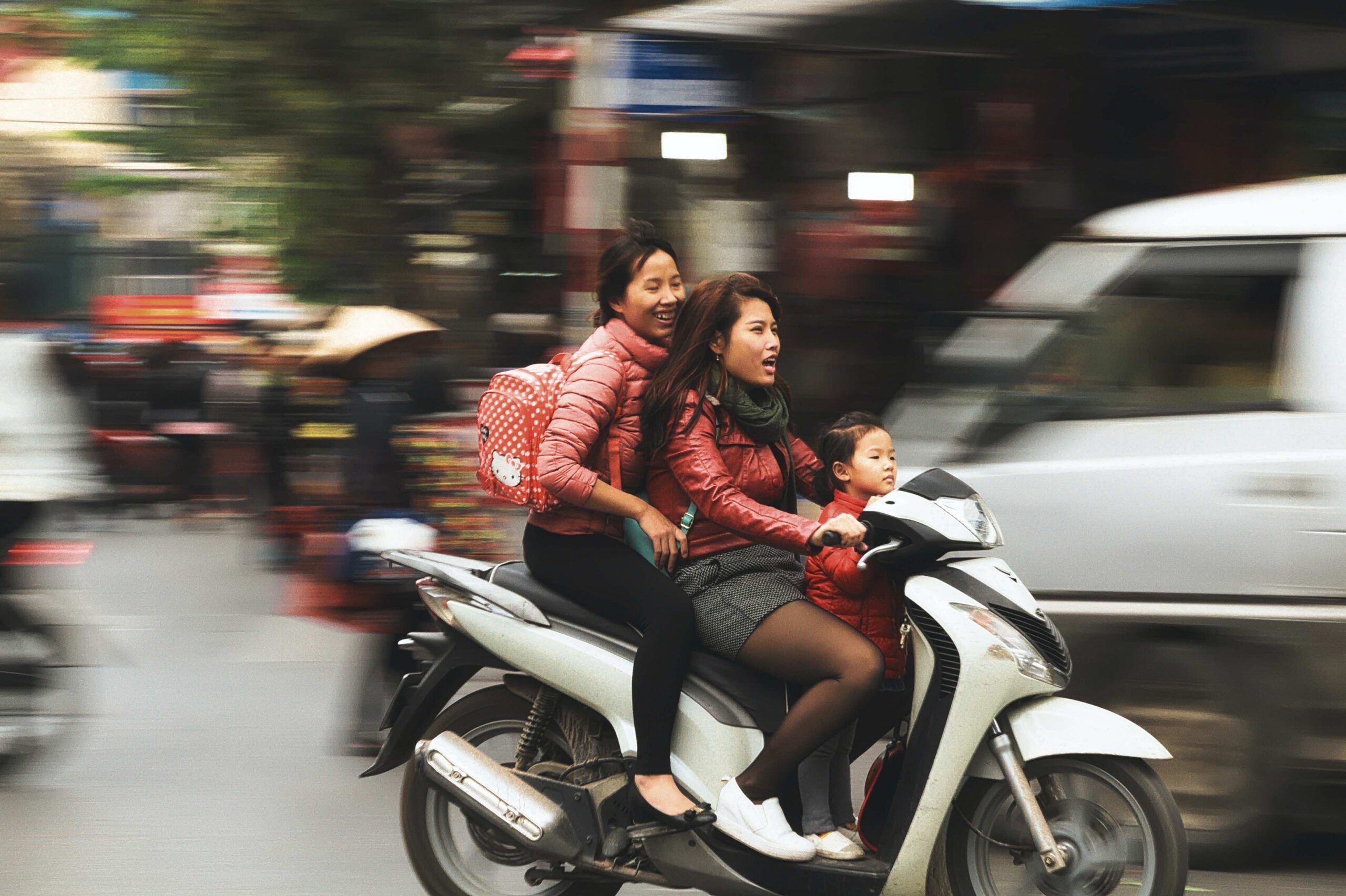
    9. Walk around the French Quarter – this is a definite experience. See streets of local businesses, bustling motorbike traffic, coffee houses bursting full of people surrounded by the 19th-century buildings that make up this area.
    10. Take photos – keep your camera or phone charged and keep taking photos of Hanoi. Rent an Ao Dai and do as the locals do, turning good dress sense into good pictures. There are hours of snapshot opportunities everywhere, so be ready for a pose. Don’t forget to post on Instagram!

    Where to stay:

    This city caters for a range of tourists who have a diverse range of budgets. Hanoi has many budget guesthouses and a few hostels in the Old Quarter. As they are small enterprises, not LLC, names change frequently so it is good to look at a link such as Hanoi Wikitravel for updates. This site’s content is updated regularly. For the people who are looking for more amenities and rooms to suit international standards in global cities, hotels like the Sofitel Legend Metropole Hanoi is the place to stay. A place with the right address for your tourist needs and a hotel well endowed with class, this is definitely worth considering for your extra USD.

    Getting there and back

    There are international flights coming in and out of the airport every day. To travel to/from places in Vietnam, domestic flights are in abundance as well as numerous trains and coaches available. Travelling around the city is accessible via the main taxi companies, VinaSun and Malinh, or by using the shared-ride apps such as Grab.

    What to do now:

    Putting your plan into action is easy. Read this post and make your ‘to do’ list for your visit to Hanoi. Then follow us for an unforgettable journey around a capital that has years of history and many stories to tell. Hanoi is a must-visit destination for anyone in Vietnam.

  • 10 Activities you didn’t know you could do in Vietnam

    10 Activities you didn’t know you could do in Vietnam

    Vietnam’s bustling cultural spaces are matched only by this country’s diverse natural beauty. From exquisite beaches to towering mountain tops and lush interiors, Vietnam is a feast for the senses. But aside from exploring markets, visiting ancient sites and eating delicious seafood, there are also a variety of activities to keep the adventurous traveller entertained.

    Here are 10 activities we bet you didn’t know you could do in Vietnam:

    1. Go Kitesurfing

    vietnam-kitesurfing

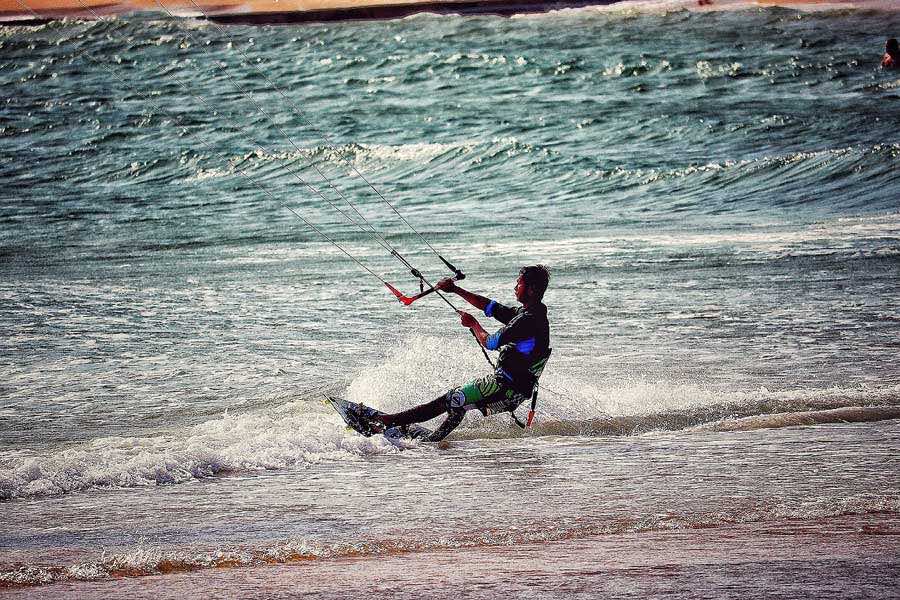
    Vietnam’s kitesurfing scene is a growing one and the best place to take part in this thrilling sport is the area around Mui Ne. With consistent winds, tropical beaches, and great sports centres located along the beach this is a great spot to learn one of the world’s fastest-growing sports!

    2. Go on a night safari

    You might not immediately think of Vietnam as the best place in the world to see wildlife, but the Nam Cat Tien National Park is home to a variety of elusive wildlife including tigers, leopards, Asian elephants, water buffalo and sun bears. Embarking on a safari at night, you have more chance to see some of these rare creatures in their natural habitat.

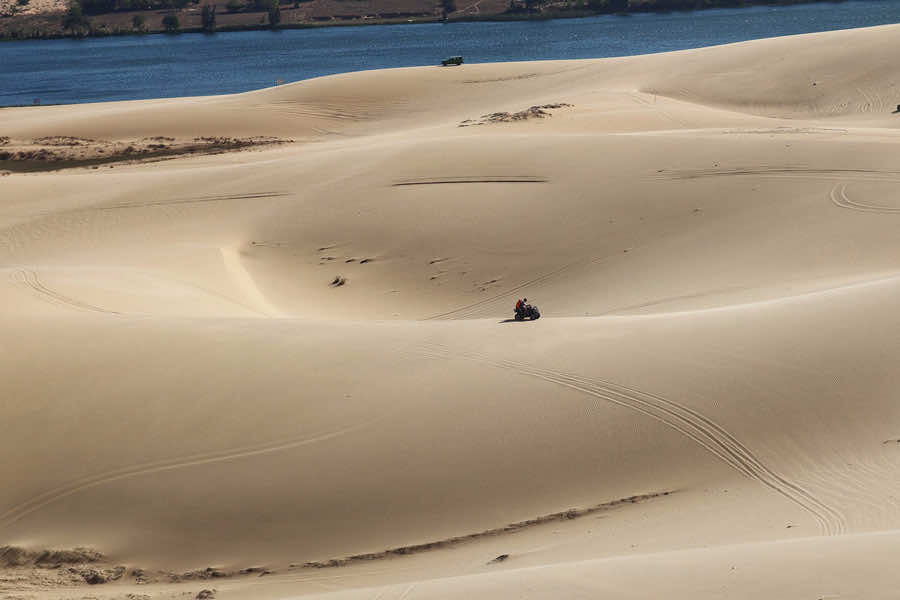
    3. 4×4 through the dunes

    vietnam-quadbike

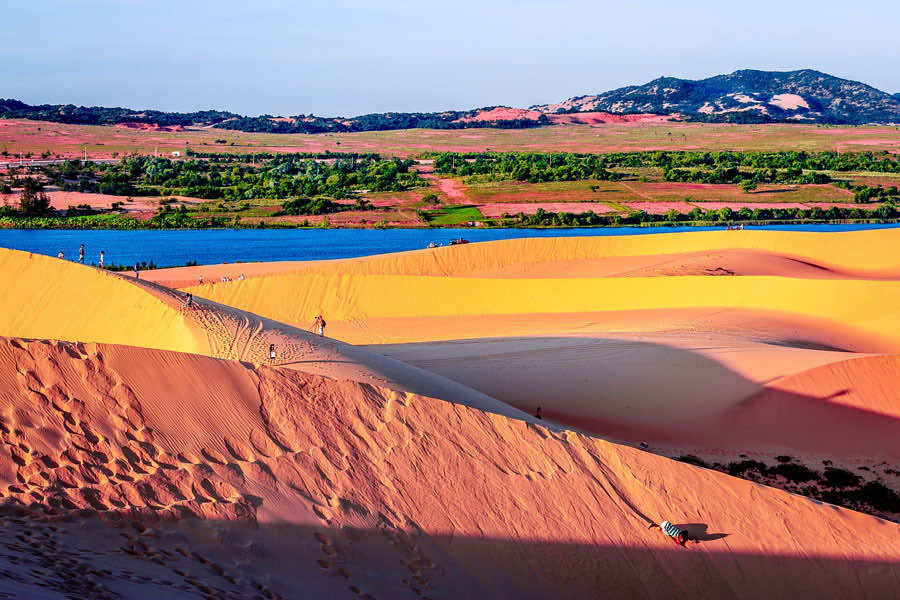
    With its lush green scenery, we bet you didn’t know Vietnam also offered a desert experience! The sand dunes of Mui Ne are quite a surprise for many visitors and are best explored on the back of a 4-wheel drive quad bike!

    4. Catch a fish – with your bare hands

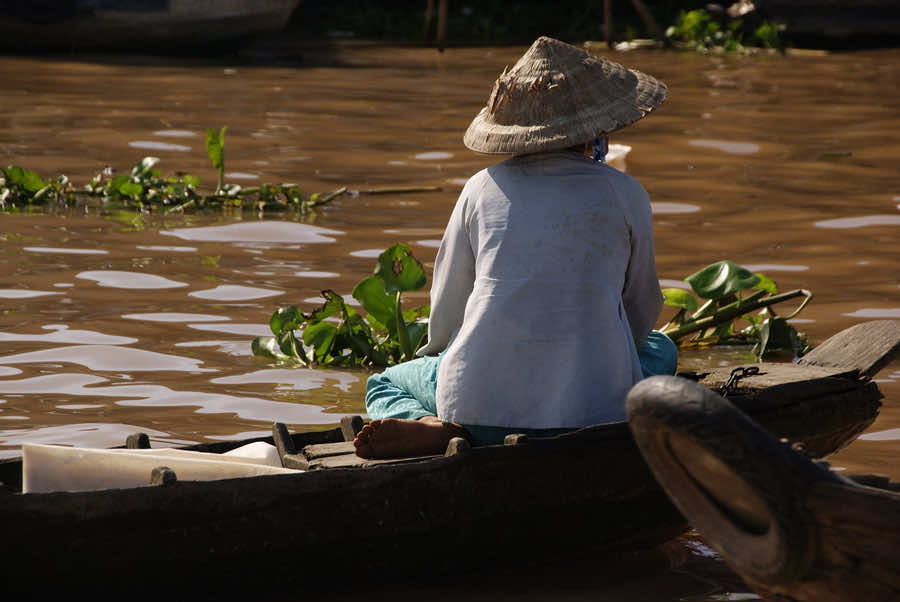
    mekong-delta-vietnam

    Join the local villagers in the Mekong Delta and enjoy a unique fishing experience. Learn the various techniques used by the traditional fishermen here, including how to make bamboo traps and how to catch a fish with your bare hands! After you have got delightfully muddy you will enjoy some grilled fish as a lunchtime reward!

    5. Explore the hidden tunnels of Vietnam

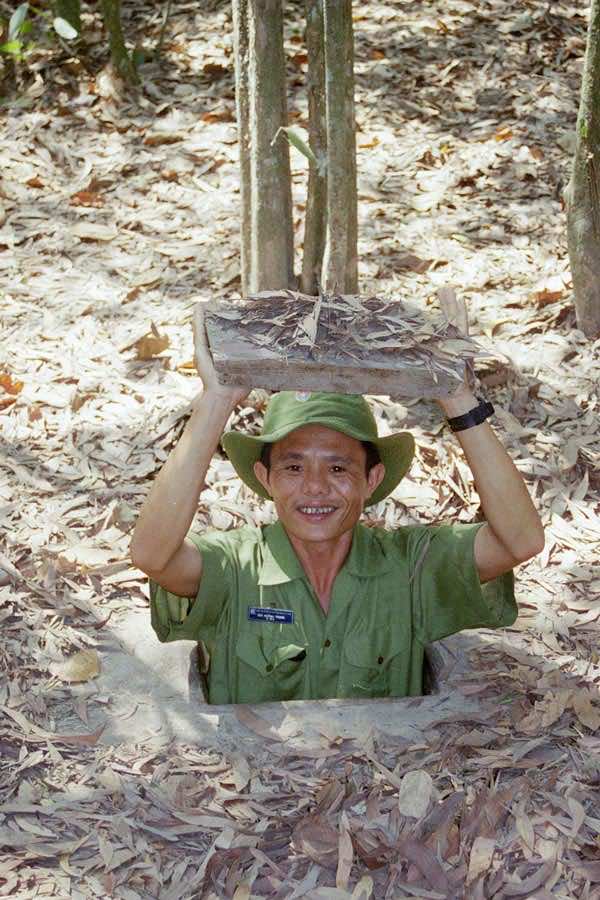
    vietnam-tunnels

    Did you know that just outside the bustling Ho Chi Minh City sits a labyrinth of underground tunnels? Used by soldiers during the Vietnam War, and before that for escaping French forces, the Cu Chi tunnels extend for multiple kilometres. Duck beneath the tiny manholes to discover an unusual maze under the city!

    6. Abseil in a hell cave

    The hell cave of Vietnam is located in the Marble Mountains. It is here where you will find a creepy creation of Buddhist hell. Combine your thrill of discovering this unique place with an adventurous experience abseiling into the cave.

    7. Go on a thrilling train ride

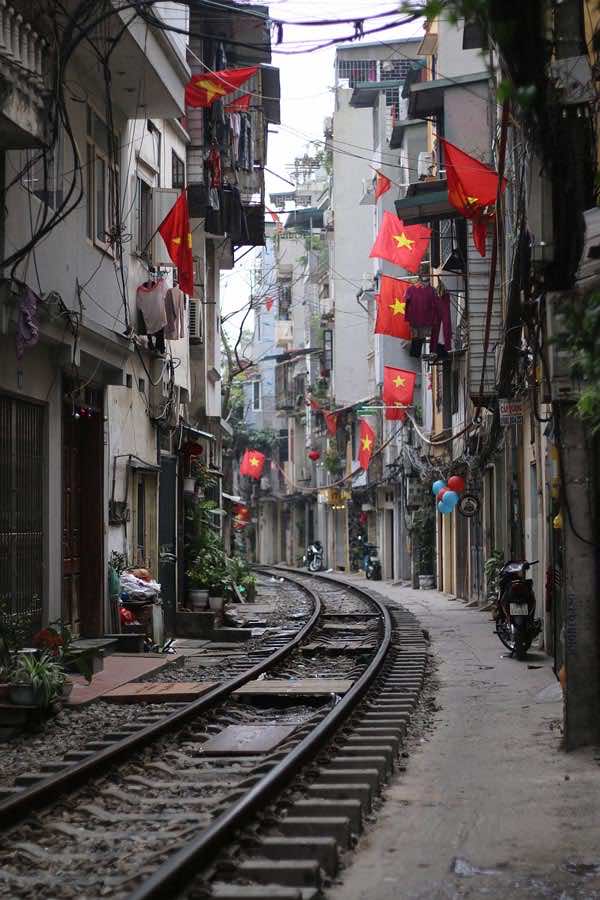
    hanoi-train

    Hanoi’s old quarter is known for its narrow streets and energetic vibe. To really understand the chaotic, frantic pace of the city hope onboard the Ngo 224 Le Duan for a ride between Le Duan and Kham Tien street or alternatively stand in the street (if you can find a space in a doorway out of the way) and wait for the train to come by. The train comes within inches of the houses here twice a day, providing a hair-raising journey quite unlike any other!

    8. Feel like royalty in an imperial carriage

    Hue’s colourful Imperial City is well worth a visit and tours here can be conducted in a traditional, ornate horse and carriage! Discover the palace in style as you feel like an imperial leader yourself in this beautiful historical fortress.

    9. Learn how to work a rice paddy

    vietnam-rice-paddy

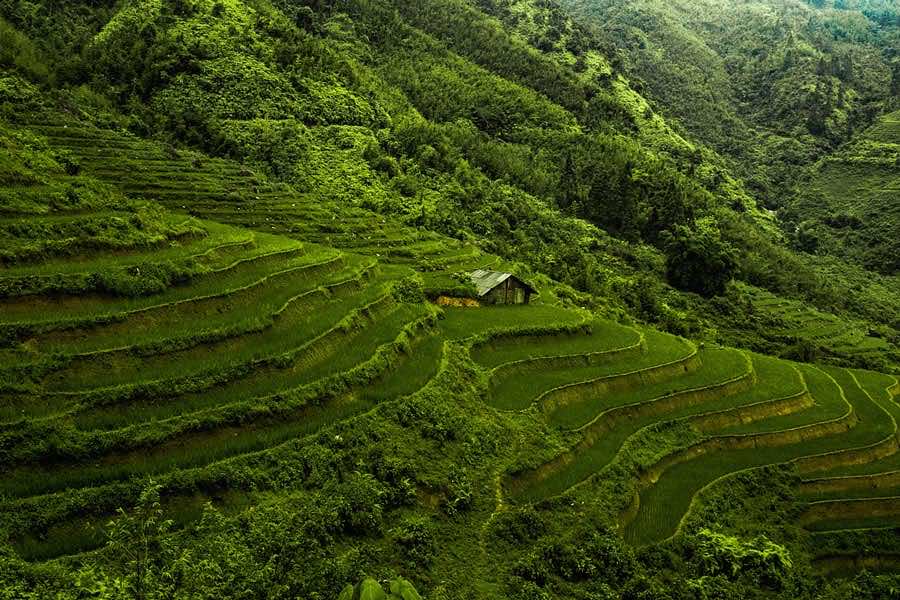
    While the terraced rice paddies of Vietnam will no doubt be on your list of things to see, you can also learn how to work as a farmer in these fields. Many of the small rural villages in Vietnam offer tourist experiences where you can see the back-breaking work that goes into farming in Vietnam and understand a bit more about the daily life of the country’s inhabitants.

    10. Become a coffee expert

    Vietnam-Coffee

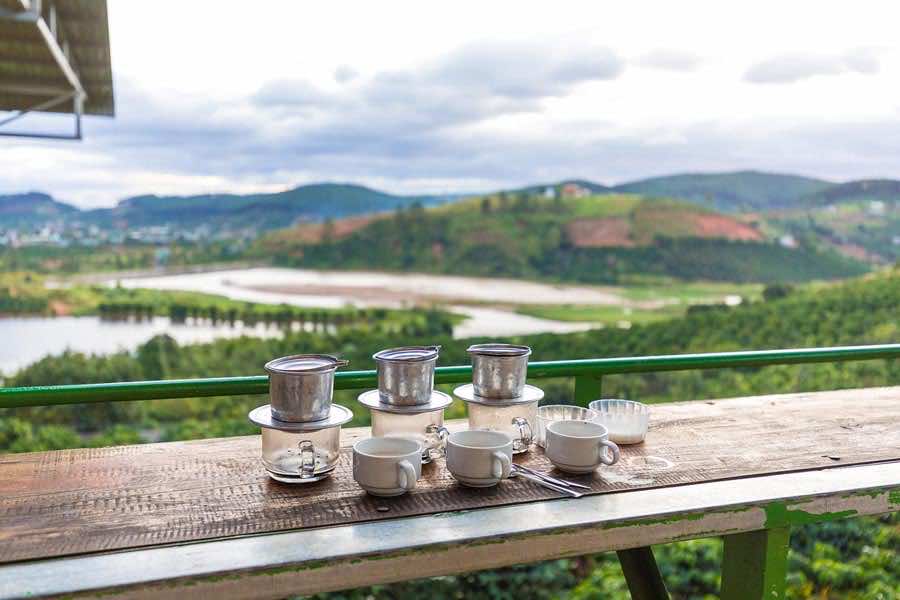
    Vietnam’s Buon Ma Thuot area is known as the home of Vietnamese coffee. Become a coffee expert on a full day experience discovering the area as you see the different coffee trees, taste a variety of coffee, visit a coffee museum, spend time with some coffee farmers and even harvest some coffee with a local!

  • The Complete Travel Guide to Laos

    The Complete Travel Guide to Laos

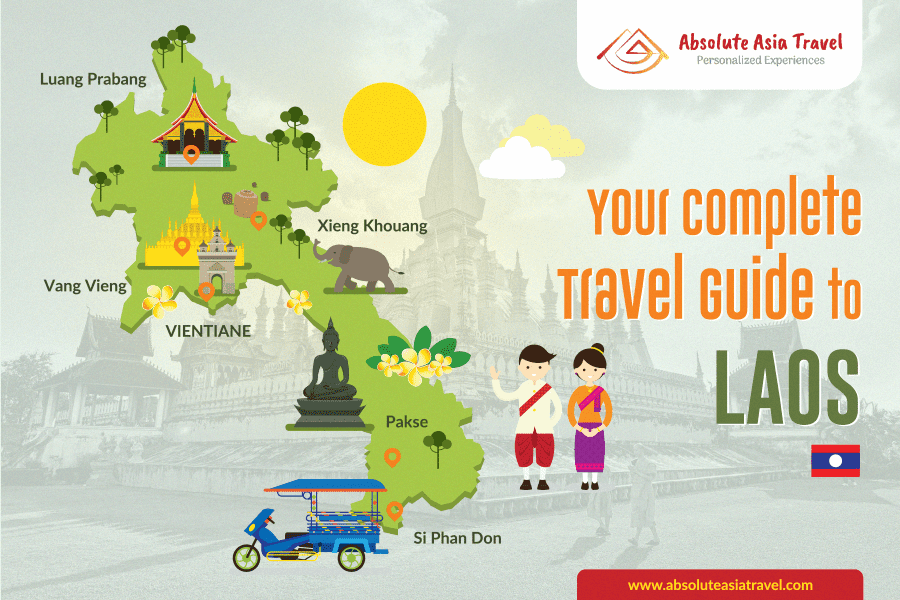
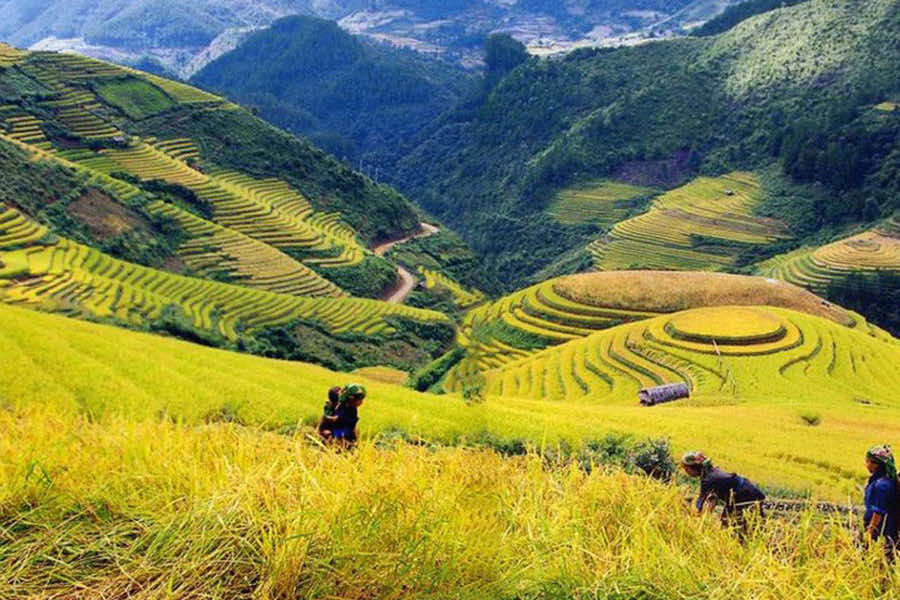
    Although Laos is a lot less visited than its neighbors, it is definitely a beautiful, friendly and exotic country that deserves a spot in every traveler’s list. This landlocked country is steeped in nature, culture, history, and religion. Its beauty lies in its landscape featuring incredible karst and limestone mountains, lush jungles, hidden caves, terraced rice paddies, and lovely hill tribe villages. Top these off with top-notch food, majestic temples, and exhilarating adventures like cave tubing, trekking, rock climbing, and kayaking, Laos can then be considered as one of the most beautiful and interesting countries in Southeast Asia.

    This travel guide will walk you through the best places to visit, how to get around, where to stay, what food to try, among other travel essentials. It will also help you plan the best trip so you can get the most out of this amazing country!

    Laos Quick Information

    luang prabang photos 08807

    Language

    The different ethnicities of Laos use more than 80 languages. However, the official and most widely spoken is Lao, which is sometimes referred to as Laotian. It is closely associated with Thai, so much so that if you can speak Thai, you will be able to get by in the country just fine. Many of the locals speak a little English, so even if you don’t know Thai, you will still be able to manage on your own during your visit. They are also quite fluent in French. In fact, Laos is home to the second biggest Francophone population in Southeast Asia.

    Laos Visa

    Getting a visa for Laos is easy and convenient. You can get a visa directly upon arriving at the airport or on arrival at one of the land border posts. All you need to do is fill in a form, pay, and you’ll receive a 30-day tourist visa. Citizens of ASEAN member states, Japan, South Korea, Russia, and Switzerland can get a free visa on arrival.

    The tourist visa costs $30 to $42, depending on which country you’re from. The visa on arrival process is straightforward and won’t take more than 10 minutes. Please note that you’ll need a passport with at least 6 months validity, two photos in passport format, and a visa application sheet that you can get right at the border.

    Make sure you save the slip that serves as an exit form. You’ll fill it out and turn it in upon leaving Laos. If you wish to seek an extension for your tourist visa, simply show up at one of the Immigration Offices in Vientiane or Luang Prabang.

    In July last year, Laos launched its tourist eVisa service, a move that the government said will make it more convenient for tourists planning to visit the country. Here is the link to the official website for the eVisa application: https://laoevisa.gov.la

    The eVisa is applicable for visitors entering Laos through Wattay International Airport, Lao-Thai Friendship Bridge I, Luang Prabang International Airport, Lao-Thai Friendship Bridge II, and Pakse International Airport. The visa is valid only for a single visit. You can file for a 30-day tourist visa online with pre-payment via credit card. You’ll need to upload a copy of your passport bio page, a recent photo measuring 4 x 6 cm in jpeg or png file format. Both files must not exceed 2 MB.

    After processing your application, a QR code approval will be sent to you via email. Print it for presentation to immigration officials at the checkpoints. Make sure that the QR code is clearly readable. It takes one to three days to receive the approval notification email. Payment can be made with VISA, JCB, MasterCard, and UnionPay.

    What to Pack for the Trip

    This packing list will help you bring along the right clothing, footwear, and other essential items to make your travel enjoyable in this fascinating and fast-developing country.

    • Lightweight, light-colored clothing to reflect heat and sunlight
    • Comfortable shoes, sandals, and flipflops
    • Hat, sunglasses and SPF 30+ sunscreen to avoid sunburn
    • Refillable water bottle to stay hydrated
    • A bottle of DEET mosquito repellent to keep bugs away
    • A power bank and universal travel adaptor
    • Unlocked smartphone for use with a Lao sim car
    • Sanitary pads, tampons and toiletry bag
    • Binoculars, flashlight, and extra batteries
    • Jacket or raincoat if traveling during the rainy season
    • Dry pack for water-based activities like kayaking, rafting or river tubing

    Getting to Laos

    viett

    Laos is frequently part of a wider trip to the southeast so most tourists prefer to travel there overland. Laos has more than a dozen international overland border crossings. They allow overland travel from Cambodia (via one crossing), Vietnam (via six crossings), and Thailand (via seven crossings).

    To date, there are still no direct flights to Laos from outside of Asia, so most travelers fly via Bangkok, from where it takes more than an hour to reach Vientiane, and roughly two hours to reach Luang Prabang. Connecting flights are also possible from Kunming (China), Siem Reap (Cambodia), Kuala Lumpur (Malaysia), Hanoi and Ho Chi Minh City (Vietnam), and Chiang Mai and Udon Thani (Thailand).

    Best Time to Visit

    With year-round attractions, there is really no right or wrong time to go. Regardless of the time of year, you plan to travel to Laos, you’ll learn that each season paints this wonderful nation in a different color. However, for the coolest weather and for getting the best out of the outdoor adventures, the best time to visit is November to January.

    During this period, the temperature seldom rises above 26°C and there is little to no rain. It is also the best time for river travel as high water levels from the previous months’ rainfall make passage easy along the mighty Mekong River, Laos’ main waterway. You can also go tubing and swimming in rivers and waterfalls, or explore the mystical Buddhist shrines and enigmatic caves.

    Normally, the weather is at its coldest in the northern and eastern sections of the country during this time. Vientiane and Luang Prabang see average temperatures of 24°C, while other parts of the southern region rise to around 30°C.

    In general, the cool season runs from October to February. The warmest months are March, April, and May (with temperatures as high as 40°C), and from May to June the rainy season starts.

    What to See and Do

    Visit Vientiane

    bangkok to vientiane 3

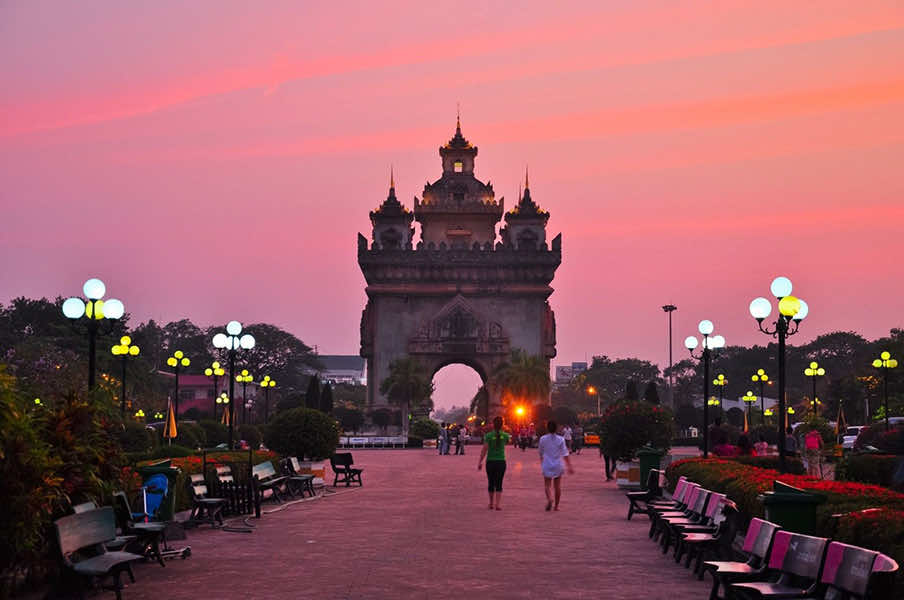
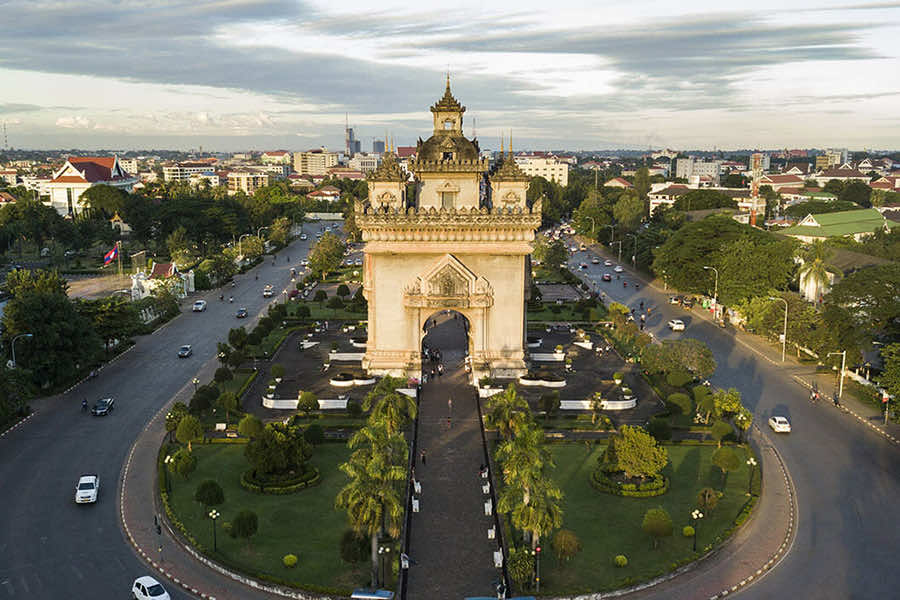
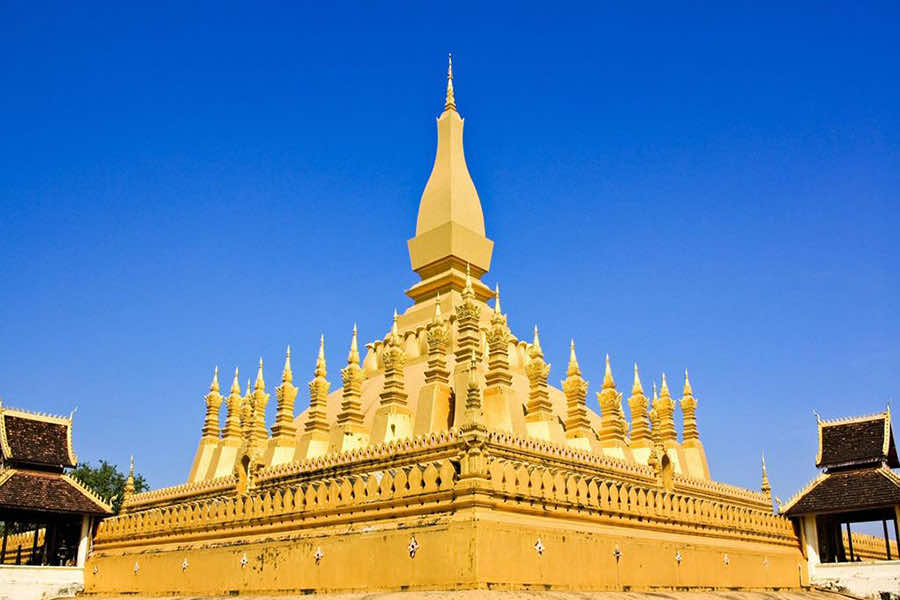
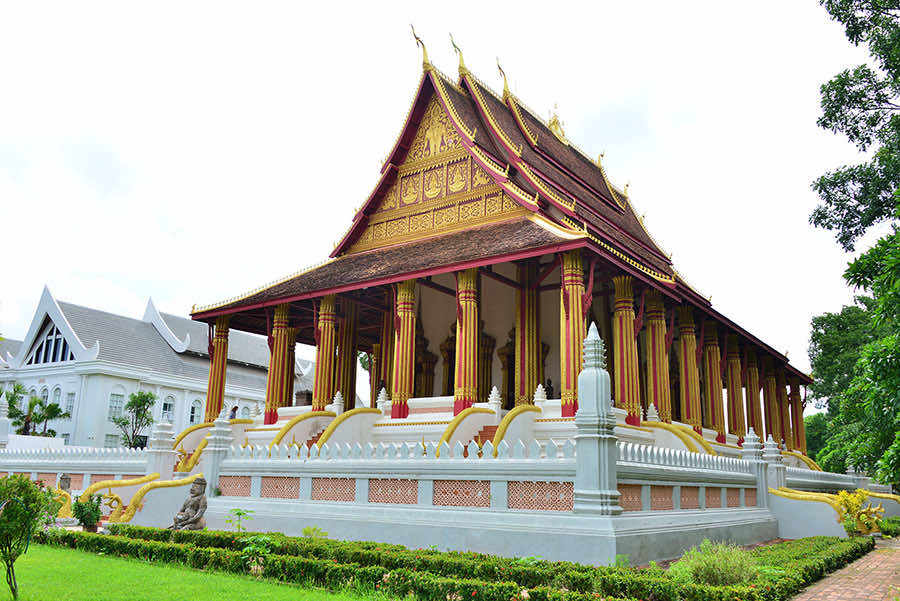
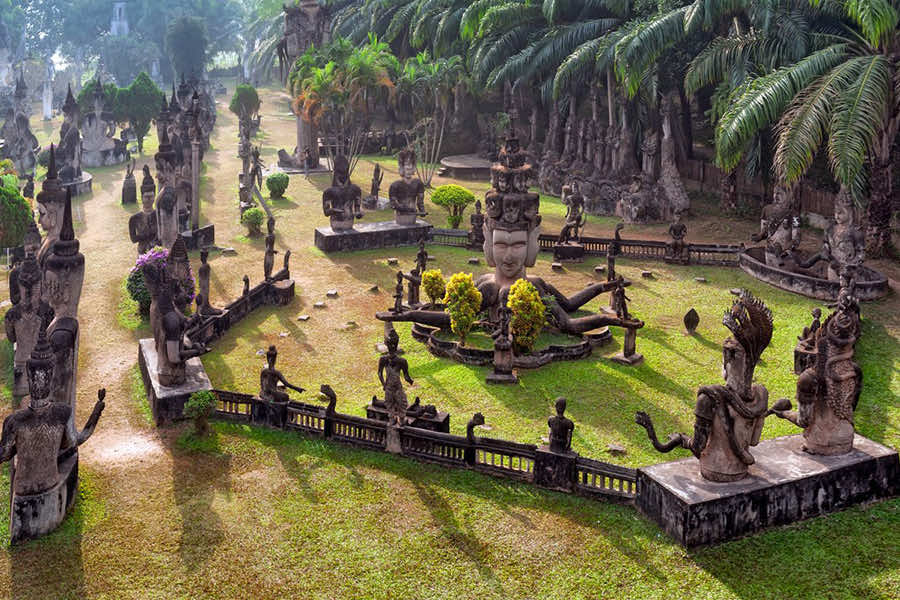
    The capital and biggest city in Laos is packed with national monuments and majestic temples, like the Pha That Luang (Great Stupa), Haw Phra Kaew, and the Wat Sisaket. While in this laid back city, make sure to drop by Buddha Park, a garden littered with giant Buddha statues. Vientiane is the most cosmopolitan city in Laos, and you will find bustling markets and a burgeoning foodie scene here.

    Go Tubing in Vang Vieng

    Vang Vieng

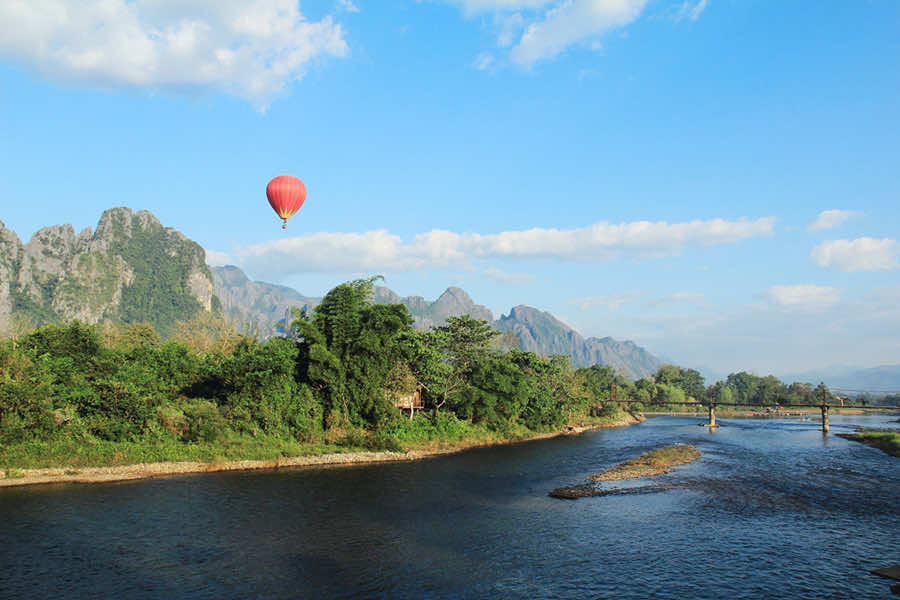
    Vang Vieng is a small town that sits in a perfect spot between Vientiane and Luang Prabang. It is located along the banks of the Nam Song river and is best known as the best site for tubing. You just need to rent a tube for 55,000 kip (~$7) plus 60,000 kip deposit (~$7.50) and enjoy the stunning scenery from the comfort of a river inflatable.

    About a decade ago tubing in Vang Vieng was crazy, even fatal. After mounting fatalities that were related to alcohol abuse, drugs, and minimal safety precautions, the government cracked down on the scores of backpackers partying in the idyllic town. Today, while tubing is still one huge party, it is also gradually rebranding itself as a premier adventure activity.

    Relax in Luang Prabang

    panoramica luang prabang

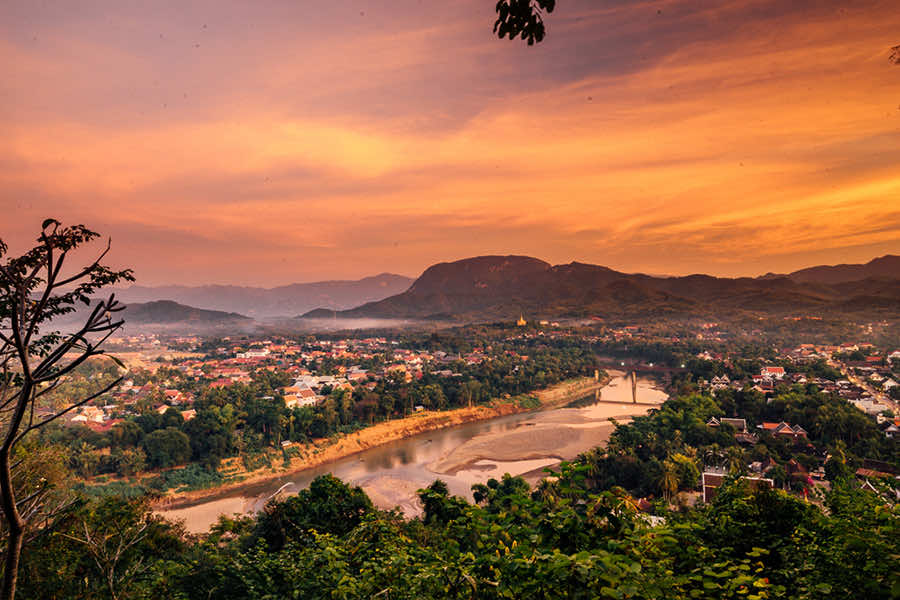
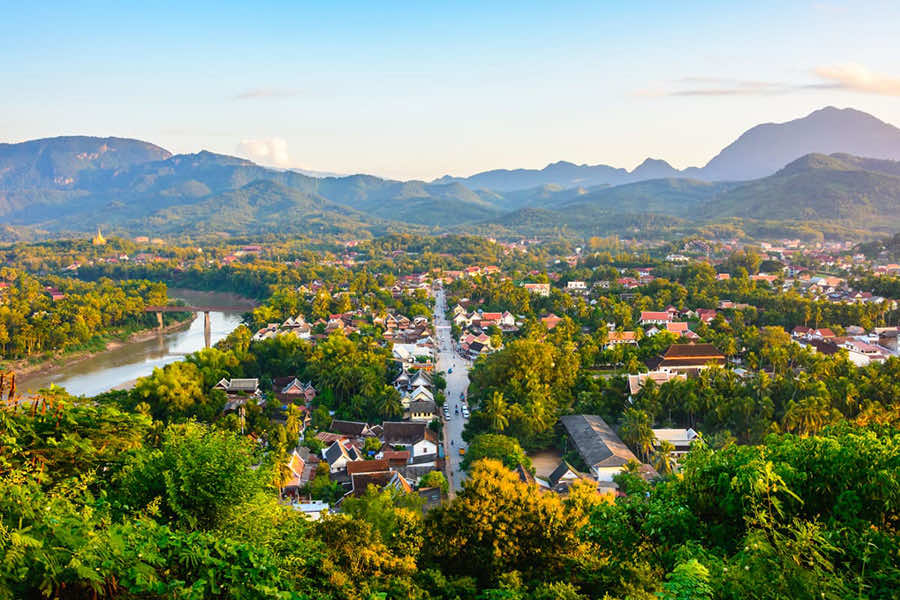
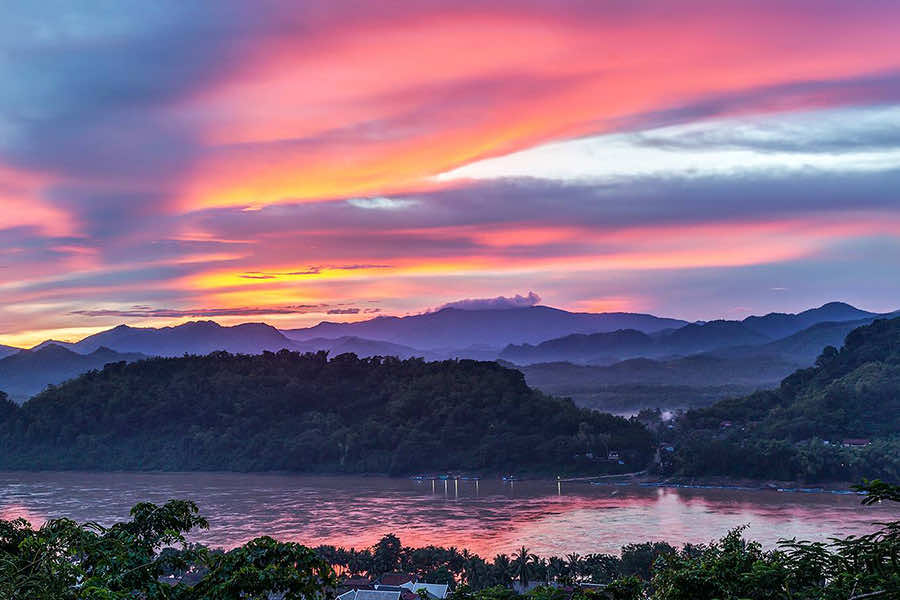
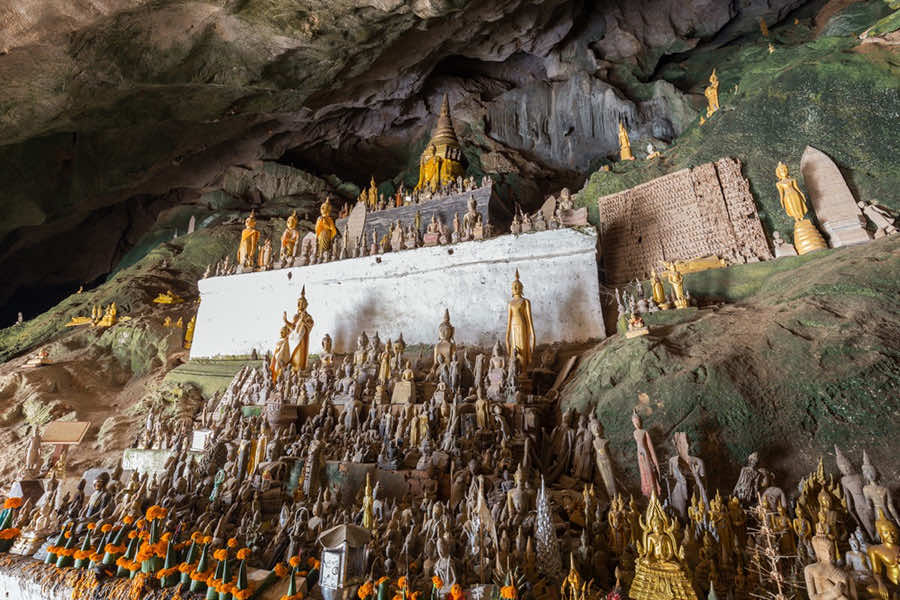
    Luang Prabang is a city that never rushes its visitors. Once you arrive, it lets you kick back, relax, and unwind every step of the way. Inscribed into the prestigious list of UNESCO World Heritage Sites in Laos in 1995, it is dotted with tranquil Buddhist temples and monasteries that provide peace and serenity to scores of travelers. There is a lot to do here, but the ones you shouldn’t miss include enjoying gorgeous sunsets over the Mekong River, shopping at the night market, experiencing a cool dip at the Kuang Si Waterfalls, hiking at Mount Phousi, taking an exhilarating boat ride to Pak Ou Caves, and witnessing Tak Bat or the alms giving ceremony.

    Visit the 4,000 Islands

    Restos ferrocarril 4000 islas Mekong Laos

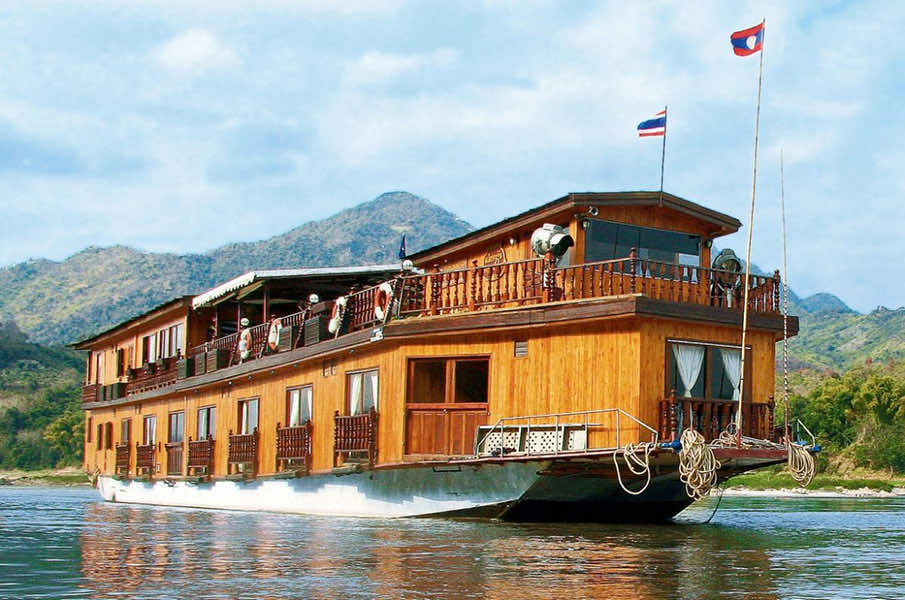
    Located in southern Laos, the 4,000 Islands is an enchanting little gem of a place nestled in the Mekong River close to the Cambodian border. Officially known as Si Phan Don, this riverine archipelago, most of the islands are uninhabited and become completely submerged when the mighty Mekong is in flood. You’ll have to take a boat from the city of Pakse to reach the islands.

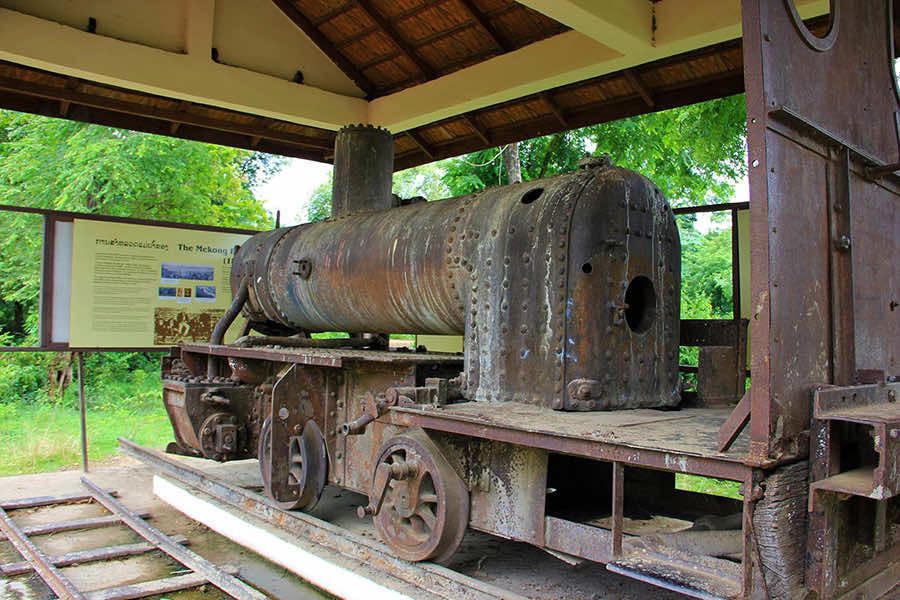
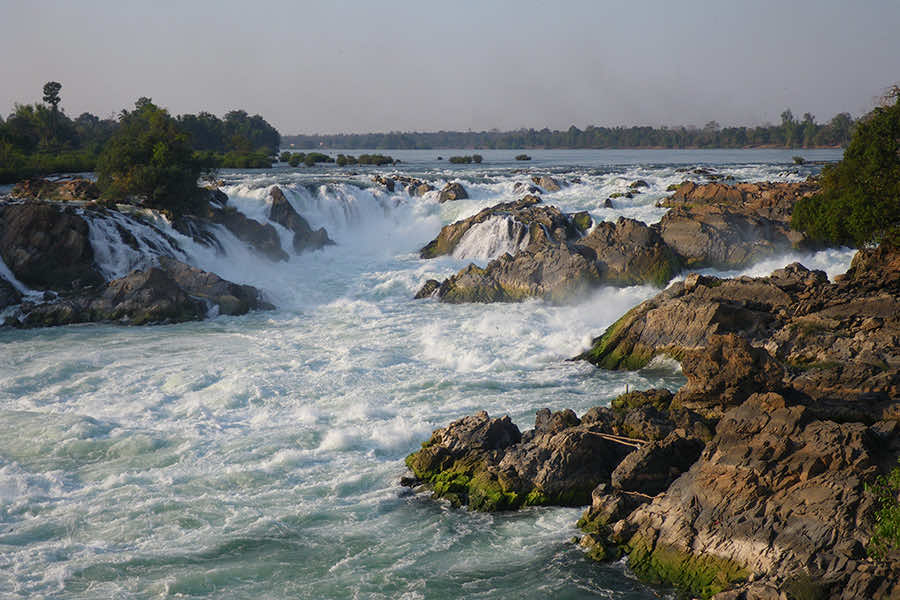
    Key features include the remnants of the Don Det-Don Khon railway, the first railway in Laos which was constructed by the French to skirt the Khone Phapheng Falls and allow ships and freight to travel along the Mekong River; the endangered Irrawaddy dolphins that can be seen off Don Khon island; and the aforementioned Khone Phapheng Falls – a series of raging rapids that form the widest waterfall in the world.

    Try the Gibbon Experience

    181213145041 treehouse architecture gibbon experience full 169

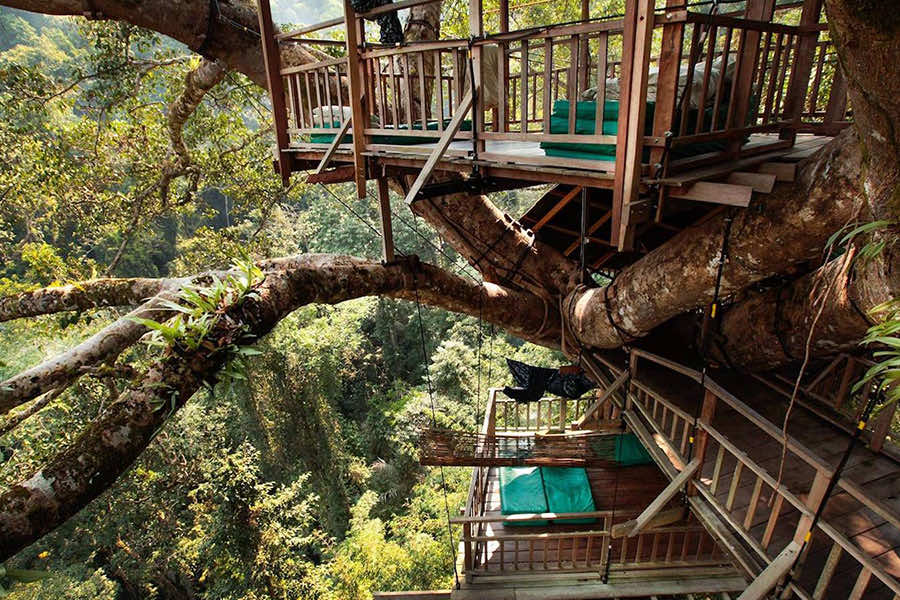
    This is considered by many as one of the best adventures in Laos. It is a succession of zip lines linking the highest tree houses in the world – up to 40 meters above the ground! This unique activity in the Nam Ka National Park lets you stay overnight in the towering tree huts and cruise above the forest canopy through a combined 15 km of zip lines.

    During your stay, you’ll be completely off the grid – there is no internet and there is not much to do at night but to simply enjoy a leisurely chat with your companions, or play some card games. Food will come when you get hungry – you’ll have family-style meals delivered via zipline. In the morning, you’ll wake up surrounded by elusive gibbons as you take in some spectacular vistas of the lush tropical rain forest with mist creating layered silhouettes. It’s definitely an incredibly special travel experience that you won’t find anywhere else.

    Attend the Almsgiving Ceremony in Luang Prabang

    Alms giving ceremony in Luang Prabang

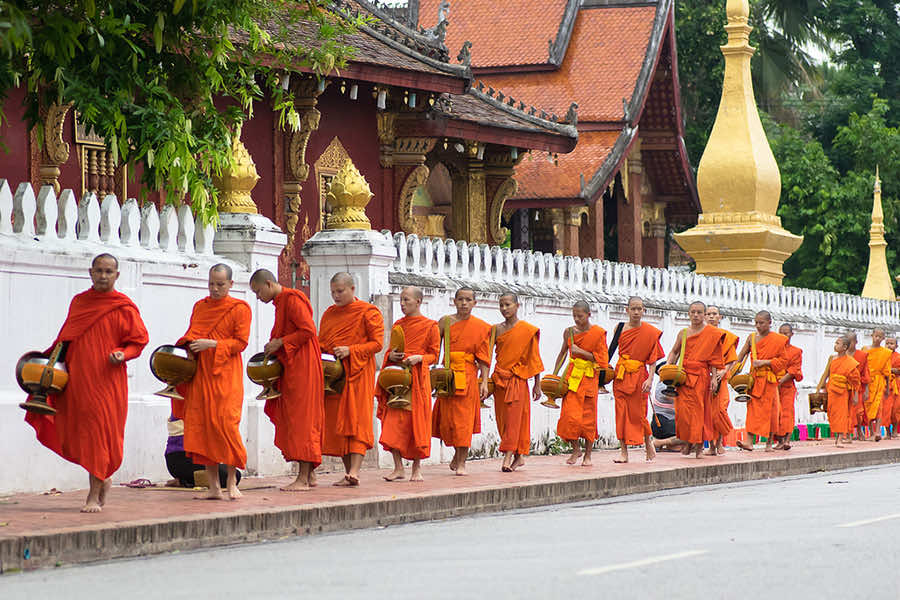
    Sai Bat or “Morning Alms” is a 600-year-old tradition in Laos Buddhist culture. The devotees offer food (usually sticky rice) to monks every morning. The daily ritual starts at around 5:30 am when saffron-robed monks and novices set out from their monastic temples with their alms bowls (‘bat’). Awaiting them are the locals who have already prepared sticky rice and other offerings like fruits and sweet treats. The ceremony is observed in complete silence and is certainly a sight to behold.

    The austere beauty and cultural significance of the almsgiving ceremony has made it a must-see tourist attraction in Luang Prabang. It is typically observed by tourists in the old city center, specifically along Sakkaline Road. Note, however, that this area can be jam-packed so you may want to consider witnessing the ceremony in one of the quieter streets in the town.

    Visit Some of Laos’ Most Impressive Waterfalls

    Nam Kat Yorla Pa Resort Laos 2

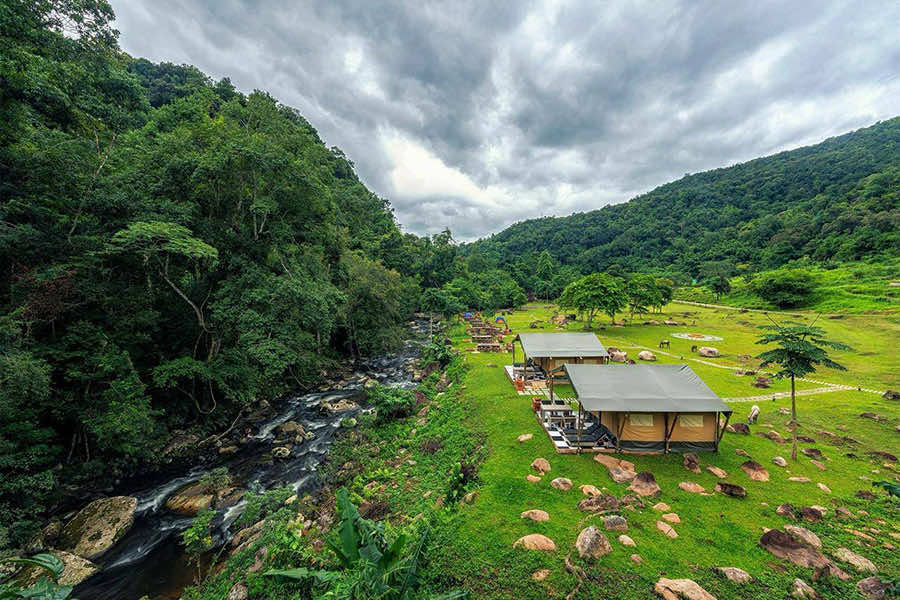
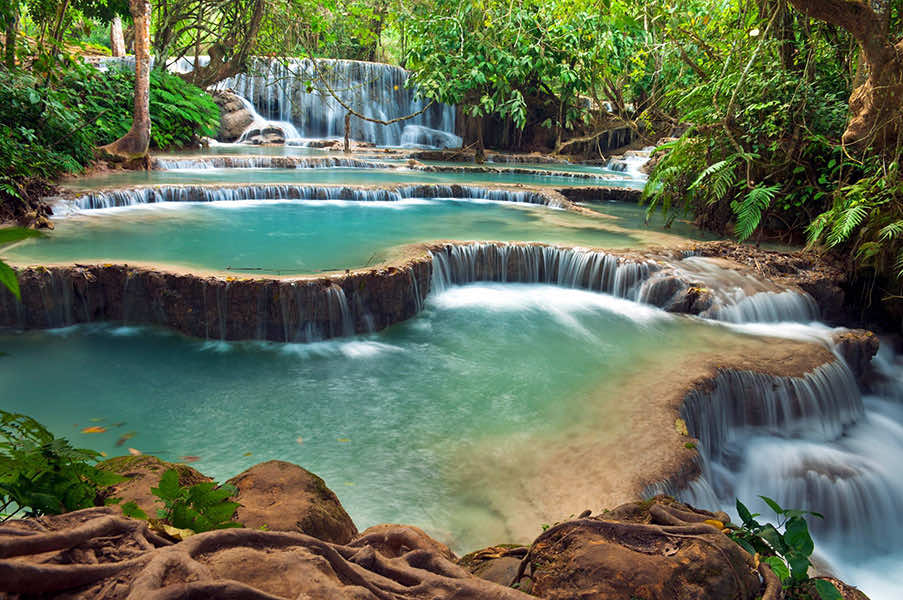
    Waterfalls are plentiful across Laos, and no trip to this amazing country is complete without visiting some of these cascading streams of water plunging over steep cliffs. Many of these waterfalls double as swimming pools and have been developed into tourist attractions with amenities, restaurants, and cabanas for picnicking. Here is a roundup of the most spectacular:

    • Kuangsi and Tad Sae in Luang Prabang
    • Tadfane and Tad Tayicsua in Bolaven Plateau
    • 100 Waterfalls along the Nam Ou River in Nong Khiaw
    • Khone Pha Pheng, Nam Tok Katamtok, and Li Phi in Champasak
    • Pha Suam in Bachieng District
    • Nam Kat in Xiangkhouang Province

    Hike Among the Hill Tribes in Nam Ha Reserve

    sapa lao cai vietnam 04

    The Nam Ha National Reserve or the Nam Ha National Protected Area in Luang Namtha Province was established in 1993 and covers 222,400 hectares. Ethnic villages have existed before then and the tribes continue to thrive in the area. The activities here range from day trips to multi-day hikes with the choice to do homestays with the Akha, Khmu, Lanten, Lao Huea, and Tai Dam people. It’s a once-in-a-lifetime experience as you get to learn about their unique culture, tradition, and lifestyle. Aside from hiking, you can also kayak down the Nam Ha River or arrange a combo tour that includes both.

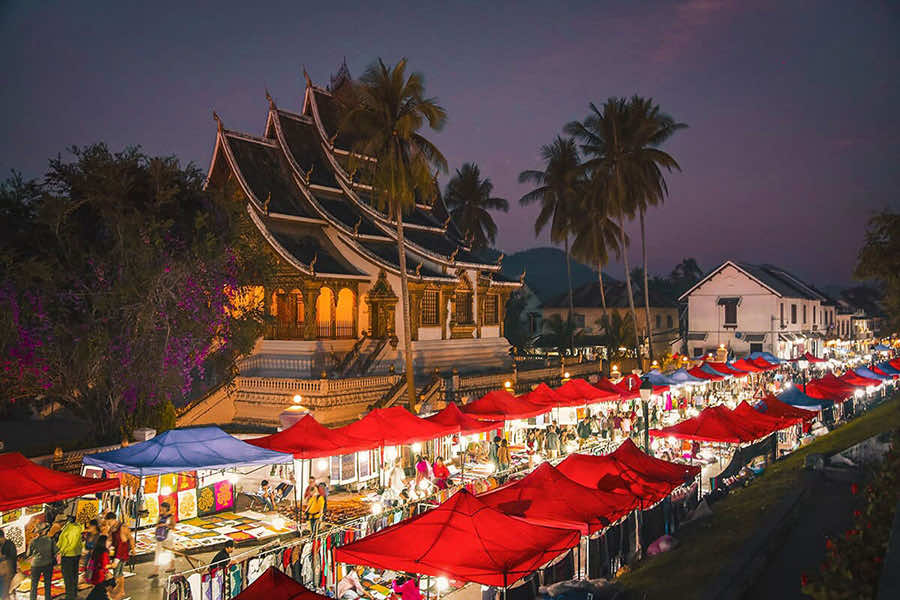
    Visit the Night Market in Luang Prabang

    night 1

    No visit to this picturesque town is complete without visiting the night market. It is located right at the heart of Luang Prabang at Sisavangvong Road, starting at the post office and ending just after the National Museum. From 4 pm to 11 pm, this stretch of road is blocked to traffic and transforms into a place where tourists and local vendors come together to chat, shop and dine all in one spot.

    Around 300 Hmong and Tai vendors bring hand-woven indigo-dyed fabrics while town folks counter by bringing silks and handicrafts. Some shops sell “lao-lao” rice liquor, served from bottles with scorpions and snakes pickling in the liquid. Other enterprising crafters salvage metal from bombs and another munition leftover from the Vietnam War. They recycle them into unique accessories, bottle openers, and assorted novelties and souvenirs.

    The wide range of local and imported goods on offer include paintings, silver jewelry, pottery, wood carvings, coffee beans, spices, toys, bags, shoes, T-shirts, skirts, local fabric, among others. All of them are surprisingly cheap, fetching price tags that are easily half that of comparable items in night markets elsewhere.

    Float Down the Mekong (from Thailand border to Luang Prabang)

    hc

    The mighty Mekong River is the lifeline of Laos. It flows from the Tibetan Plateau down to China’s Yunnan Province. It then slithers its way south, creating the boundary between Laos and other countries in Southeast Asia.

    One of the highlights of a trip to Laos is taking a slow boat down the Mekong. A slow boat is long, and narrow, and floats right on the surface of the water. The captain is in front and the engine is at the back. The trip usually starts at the Thai-Laos border, specifically in the Lao town Huay-Xai. From there it is a two-day cruise, ending in Luang Prabang.

    You will be sailing through pristine forests, and the landscape is simply captivating. It’s an incredibly scenic journey that should be added to any Laos itinerary. Skip it and you would be missing out on something extraordinary.

    Popular Attractions

    Laos, the Land of a Million Elephants, has long been isolated from the outside world. Only recently has it started to open up and unveil its beauty and splendor for the world to see. With an increasing number of roads, bridges and other vital infrastructure being built, the breathtaking tourist attractions in the country are becoming more and more accessible. Here are some of them…

    Plain of Jars

    Plain of Jars

    One of Laos’ most bizarre landmarks, the Plain of Jars features thousands of stone urns dating back to the Iron Age. The jars are scattered in random locations across hundreds of square kilometers in the mountains surrounding the town of Phonsavan in southeastern Laos. Calling them jars is actually a bit of a stretch since many reach huge dimensions – from 3 to 10 feet tall and weigh well more than a few metric tons. Human remains, stone lids and discs have also been discovered in the area. What purpose the stone jars served and who made them remains a 2,500-year-old mystery. It is definitely a unique place to visit!

    Wat Xieng Thong

    Wat Xieng Thong

    Wat Xieng Thong or the “Temple of the Golden City” is a Buddhist shrine located on the northern tip of Luang Phrabang. It is one of the most important of Lao monasteries and also one of the most beautiful and richly adorned temples in Laos. Construction of this royal structure was commissioned by King Setthathirath in 1559, along the banks of the Mekong river. It is of significant value because it is one of a handful of temples that were not decimated during the Black Flag Army invasion of 1887.

    The Wat’s most impressive structure is the sim or the congregation hall. Both the interior and exterior of the sim are extensively embellished with gold stenciling on black lacquer. This majestic temple is built in the distinctive Luang Prabang style highlighted by a sweeping roof that extends almost to the ground. The roof is composed of a massive, three-tiered central section fringed by several two-tiered segments. At the highest point of the central part is a gilded “Dok so faa” with miniature stupas covered by seven-tiered parasols.

    Khone Phapheng Falls

    Khone Phapheng Falls 1

    The Khone Falls and Pha Pheng Falls together form a waterfall on the Mekong River in southern Laos. It holds the record as the widest waterfall in the world, stretching 10783 meters wide and extending over a length of nearly 10 kilometers downstream.

    The Khone Falls are the largest by water volume in Southeast Asia. The cascading falls feature countless waterways and thousands of islands, giving the area its name Si Phan Don, which literally translates to ‘the 4,000 islands’.

    The highest falls rise to 21 meters while the average discharge is almost 11,000 m3/s. The falls are most spectacular during the dry season. When the rains come, much of the falls and rapids disappear due to the raised water level in the river.

    Wat Phu Champasak

    Wat Phu Champasak

    Rustic Wat Phu is a Khmer Hindu temple complex at the base of mount Phou Khao in southern Laos. The ruins rest in graceful infirmity, and while it lacks the enormity of Angkor in neighboring Cambodia, these small decrepit temples elicit a more soulful response, thanks largely to the more dramatic natural setting and less number of visitors.

    While some structures are over a thousand years old, most date back to the 11th to 13th centuries. The area is divided into six terraces on three tiers connected by a frangipani-fringed stairway that ascends the mountain to the main shrine at the summit. Try to visit in the early morning for cooler temperatures and to see the ruins in the best light.

    Mount Phou Si

    Mount Phou Si

    Mount Phou Si is a 100-meter high hill located at the heart of Luang Prabang. It is flanked on one side by the Nam Khan River and the Mekong River on the other side. The hill is a religious site and serves as home to a number of Buddhist shrines.

    Ascend halfway up the hill and you’ll find Wat Tham Phou Si, a Buddhist temple in a small cave overlooking the River Khan. At the top of the hill is Wat Chom Si, another Buddhist temple and a tourist highlight of Luang Prabang. From here you can take in a picturesque panorama of the historic town and the tranquil valley where it lies. In the distance, the jungle-clad mountains tower above the free-flowing rivers, and the entire landscape is absolutely breathtaking!

    Wat Si Saket

    Wat.Si .Saket .original

    Constructed between 1819 and 1824 by King Anouvong who ruled the last dynasty of Laos’ monarchy, Wat Si Saket is believed to be Vientiane’s oldest surviving wat. But it is definitely the oldest one that managed to retain its original structure and plays an integral role in local religious belief. This is where they bring offerings every morning and on special occasions.

    Although the temple is built in Laos, its main architecture adheres to the Siamese Style of Buddhist Architecture, making it even more special. The main structure is very impressive with an elaborate five-tiered roof and surrounded by a colonnaded terrace.

    However, the specialty of Wat Si Saket is not just its unique architecture but also its ornament. It is renowned for thousands of silver and ceramic Buddha trinkets. In the courtyard galleries, you’ll find another interesting feature – 6,840 Buddha statues representing various stages in Buddha’s life.

    Tat Kuang Si

    Tat Kuang Si

    Located about 30 km southwest of Luang Prabang, Tat Kuang Si is a multi-tiered waterfall gushing over limestone formations into several cool, turquoise blue pools. It is very popular for day trips with both locals and foreigners. Especially on weekends and holidays, it gets crowded with droves of tourists.

    The best thing about the falls is that aside from being mind-blowingly beautiful, you can also swim in the tiered pools. In the main area and at the very top, there are some pools where you can take a dip, but take note of the signs saying no swimming, as some pools are sacred to the local population.

    When you’re done swinging off ropes into the water, drop by the Tat Kuang Rescue Centre, where more than 20 Asiatic Black Bears are given a new lease on life after being rescued from poachers.

    Pak Ou Caves

    Pak Ou Caves

    The Pak Ou Caves are composed of two caves, the Tham Ting (lower cave) and the Tham Theung (upper cave), both overlooking the west side of the Mekong River around 25 kilometers north of Luang Prabang. They are roughly two hours upstream from the center of the town and can be reached by road or boat.

    The caves are known for their miniature Buddha sculptures. In the lower cave, hundreds of Buddhas are silhouetted against the remarkable riverine backdrop. The revered sculptures are mostly damaged wooden Buddhist effigies arranged over the wall shelves. Some have chipped faces or have missing hands, while others lean to the side or have been replaced by newer versions that are less worn out from ages of devotion. They take various presentations including meditation, peace, teaching, rain, and nirvana.

    Ock Pop Tok

    Ock Pop Tok

    Ock Pop Tok, meaning ‘East Meets West’ in the local language, is a partnership between Lao weaver Veomanee Douangdala and British entrepreneur Joanna Smith. Established in Luang Prabang in 2000, it symbolizes the fusion of conventional Lao craftsmanship with modern design and fair trade principles. This beautiful, traditionally-styled workshop is set serenely near the Mekong, where batik makers, spinners and weavers produce world-class fabrics. It offers free tours to boost the profile of Lao textiles globally while creating economic opportunities for the local artisans.

    Ock Pop Tok’s activities are concentrated on the Living Crafts Centre which includes weaving studios, a dye garden, an exhibit, and teaching spaces. There is also the riverside Silk Road Cafe serving sumptuous Lao food and the surprisingly palatable worm-poo tea, a unique blend made from silk-worm droppings. Visitors can participate in workshops in Hmong batik, loom weaving, and natural dyeing.

    Living Farm Land Experience

    Living Farm Land Experience

    When you visit Luang Prabang, you can not only see but experience first hand the quintessential life of a local rice farmer. Rice is the foundation of daily life in Asia and yet it’s still a brain-teaser for many visitors. In this unique activity, you’ll be able to learn how to plow the land, select the seeds, plant rice, harvest, thresh and cook up a traditional Lao meal! Everything is set in a farmland located 20 minutes from town. It is serene yet buzzing with life as different kinds of plants and animals coexist in a thriving ecosystem. Aside from farming, you’ll also get to see other traditional trade like blacksmithing and bamboo weaving, as well as crafts such as bird traps and ethnic musical instruments.

    The Elephant Village

    The Elephant Village

    Established by Markus Peschke in 2001, the Elephant Village is an elephant sanctuary and a popular tourist destination in Luang Prabang. Upon arrival, you will be greeted by the camp manager and participate in a briefing about the elephants. Then you’ll get to spend some one-on-one experience with the world’s largest land animal. During this time, you can observe your new pachyderm friend, feed it and learn to communicate with it for the most intimate elephant encounter! Afterward, you’ll begin basic mahout training which includes elephant care and husbandry, and ultimately you’ll learn how to control an elephant by yourself!

    The Elephant Village is one of the popular elephant sanctuaries in Luang Prabang, but there are other notable ones like the MandaLao Elephant Conservation and the Luang Prabang Elephant Camp.

    Pha That Luang

    du lich thap that luang diem tam linh bac nhat tai lao1

    Anyone who visits Vientiane should not miss the stunning golden building, the Pha That Luang. Since its construction, which is believed to be in the third century, the stupa has seen a number of renovations as recently as the 1930s because of foreign intrusions into the region. It is considered by many as a national symbol and the most important national monument in Laos.

    Rooted in Buddhism, the Pha That Luang consists of three levels to convey the different elements of Buddhist teachings. Its cloister is packed with paintings, sculptures, and effigies of Buddha. There are several altars, where people offer flowers and gifts. There are also lush gardens, magnificent monuments, and smaller stupas where monks still live, pray, and study today.

    Haw Phra Kaew

    haw pha kaew 2

    Also known as Ho Phra Keo, Haw Phra Kaew is one of the most revered temples in Laos. It was first constructed in 1565 by King Setthathirath when he transferred the capital of the Lan Xang Kingdom to Vientiane. The opulent structure was intended for the Laos Royals and to house the Emerald Buddha, which resided there for more than 200 years.

    The Haw Phra Kaew was destroyed in 1827 when the Siamese army invaded Vientiane. Since then it has been renovated multiple times and is currently the country’s leading museum of religious art. On display are Buddha images, a gilded throne for the Emerald Buddha, wood carvings, inscribed Khmer stone steles, and ancient Buddhist manuscripts. The temple is surrounded by well-manicured gardens, one of which features a 2,000-year-old stone relic from the Plain of Jars.

    Xieng Khuan (Buddha Park)

    Buddha Park Xieng Khuan in Vientiane

    Buddha Park, also known as Xieng Khuan, is a sculpture garden in a meadow located 25 kilometers southeast from the capital Vientiane. It was constructed in 1958 by Luang Pu Bounleua Sulilat and houses more than 200 Buddhist and Hindu sculptures. He later resided in Thailand and built a similar park called Sala Keoku in Nong Khai.

    The sculptures in the park are made of reinforced concrete and appear to be centuries old, though they’re not. There are sculptures of gods, humans, demons, animals, numerous Buddha effigies, characters of Buddhist beliefs, and characters of Hindu lore including Arjuna, Shiva, and Vishnu.

    The park has three stories representing Heaven, Earth, and Hell. Visitors enter through the mouth of a 3-meter-tall demon head and ascend staircases from hell to heaven. At the top, there is a section where the entire park can be viewed. The socialist government manages the park as a tourist attraction.

    How to Get Around Laos

    Domestic Flights

    PGQV Fleet

    This is your best option especially if you are pressed for time and want to cover more ground. Note, however, that domestic flights suffer from frequent cancellations because of fog and dense smoke during the slash-and-burn season. It is best to confirm that your flight is still on time a day or two before your scheduled departure. If you plan to travel during the holiday season, try to book well in advance as flights can fill fast.

    Laos has two airline companies: Lao Airlines which handles domestic flights including between Vientiane and Luang Prabang, Luang Nam Tha, Pakse, Phonsavan, Savannakhet, and Udomxai. The other is Lao Skyway, a newer domestic carrier with flights from Vientiane to Luang Prabang, Huay Xai, Luang Namtha, Phonsavan, Phongsali, Sam Neua, and Udomxai.

    City Transportation

    tuktuk

    Public transportation starts at $0.25 USD (2,000 LAK) and goes up depending on the distance. Taxis and tuk-tuks cost a tad more and may require some haggling skills. If you already have a specific destination, ask the staff at your hotel how much you are likely to pay.

    Long-distance public transport is either by bus or sŏrngtăaou, which are converted trucks or pick-ups with benches down both sides. On some busier routes, private operators have rolled out VIP buses that offer faster and more upscale air-con services that cost a tad more than normal buses. Sŏrngtăaou typically services shorter routes in the provinces, though they are gradually being phased out and replaced by minivans.

    Traveling by Boat

    The Mekong Sun Cruise

    One of the most popular ways to explore Laos is via boat between Luang Prabang and Huay Xai on the Mekong River. The trip takes two days and costs about $30 USD (250,000 LAK) per person. Laos has over 4,600 kilometers of navigable rivers, with the main thoroughfares being the Mekong, Nam Khan, Nam Ou, Nam Ngum, Nam Tha, and Se Kong. The Mekong is by far the most important route and it is passable all-year-round between Huay Xai and Savannakhet.

    Smaller rivers are traversed by a range of smaller boats, from dugout canoes made from hollowed tree trunks to ‘bomb boats’ made from military rubble. At any rate, whether you are traveling on a tourist boat or on a local boat, it is still worth experiencing at least one river excursion during your visit to Laos.
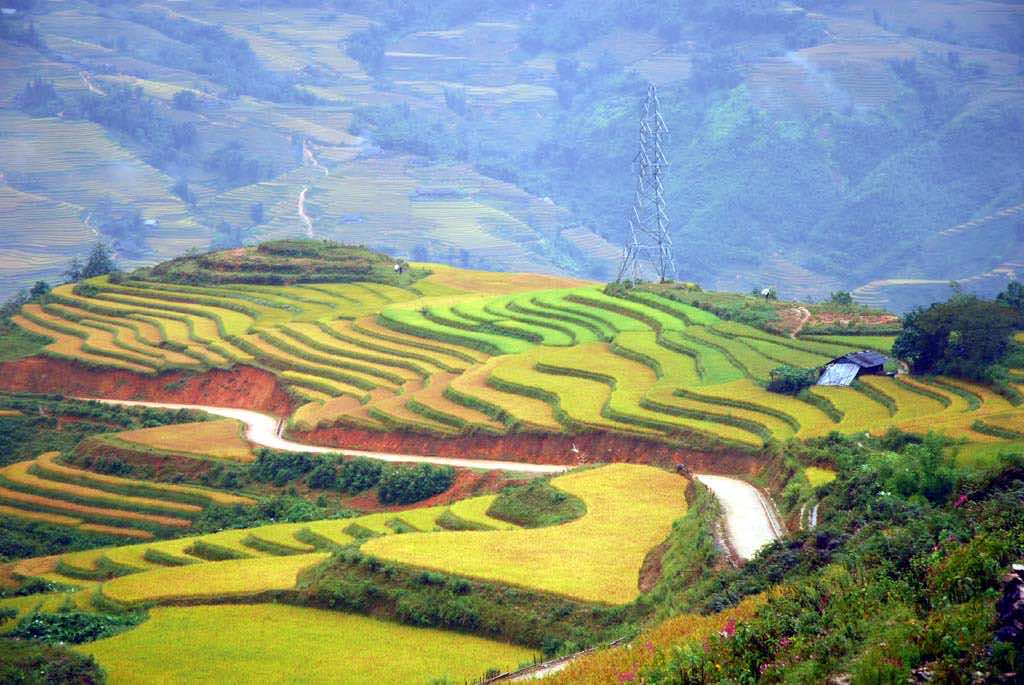
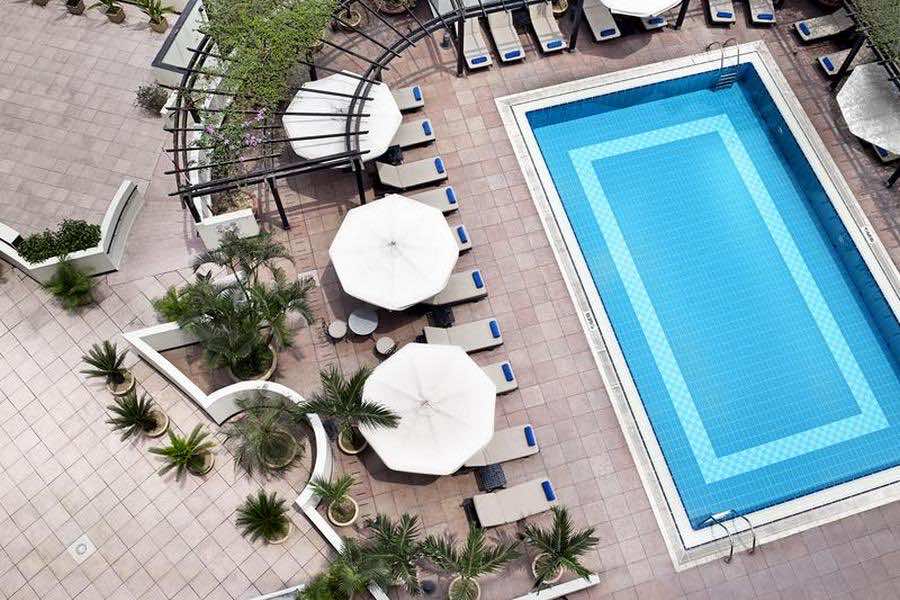
  • The Complete Guide to travel to Cambodia

    The Complete Guide to travel to Cambodia

    When people think of traveling to Cambodia, the first thing that comes to mind is Angkor Wat. While Angkor Wat is truly magnificent, there’s so much more that Cambodia has to offer. With spectacular temples, beautiful islands and beaches, and a rich cultural heritage, it’s a shame to miss out Cambodia. In this travel guide you’ll realize why it’s a gem tucked in the middle of Southeast Asia.

    Travel Guideline Cambodia 1
    <!– wp:ub/table-of-contents-block {"blockID":"8e6559c2-83fc-4fcb-8476-3e46abc5e52a","title":"Table Of Contents","links":"[{"content":"Quick Information","level":3,"anchor":"0-quick-information"},{"content":"When is the Best Time to Visit Cambodia?","level":3,"anchor":"1-when-is-the-best-time-to-visit-cambodia"},{"content":"What to Pack When Travelling to Cambodia","level":3,"anchor":"2-what-to-pack-when-travelling-to-cambodia"},{"content":"Key Towns and Cities","level":3,"anchor":"3-key-towns-and-cities"},{"content":"Top Cambodia Attractions“,”level”:3,”anchor”:”4–top-cambodia-attractions-“},{“content”:”Top 10 Things to Do in Cambodia”,”level”:3,”anchor”:”5-top-10-things-to-do-in-cambodia”},{“content”:”Finding the Best Hotel Accommodation in Cambodia”,”level”:3,”anchor”:”6-finding-the-best-hotel-accommodation-in-cambodia”},{“content”:”Getting Into and Around Cambodia”,”level”:3,”anchor”:”7-getting-into-and-around-cambodia”},{“content”:”What to Eat in Cambodia“,”level”:3,”anchor”:”8–what-to-eat-in-cambodia-“}]”} /–>

    Quick Information

    Visa: All travelers heading to Cambodia are required to have a 30-day tourist visa, which can be obtained on arrival for $30 in Phnom Penh, Sihanouk Ville, and Siem Reap. The website of the Cambodian government also offers e-visas, so visitors can apply beforehand to speed up entry into the country. With the e-Visa, travelers can enter Cambodia and stay for up to 30 days without any visa issuance at consulates abroad or in local airports.

    E-visas take three days to process and cost an additional $6. Check out this link on how to apply for Cambodian eVisa. Citizens from ASEAN nations can apply on arrival for a free visa which lasts for 30 days.
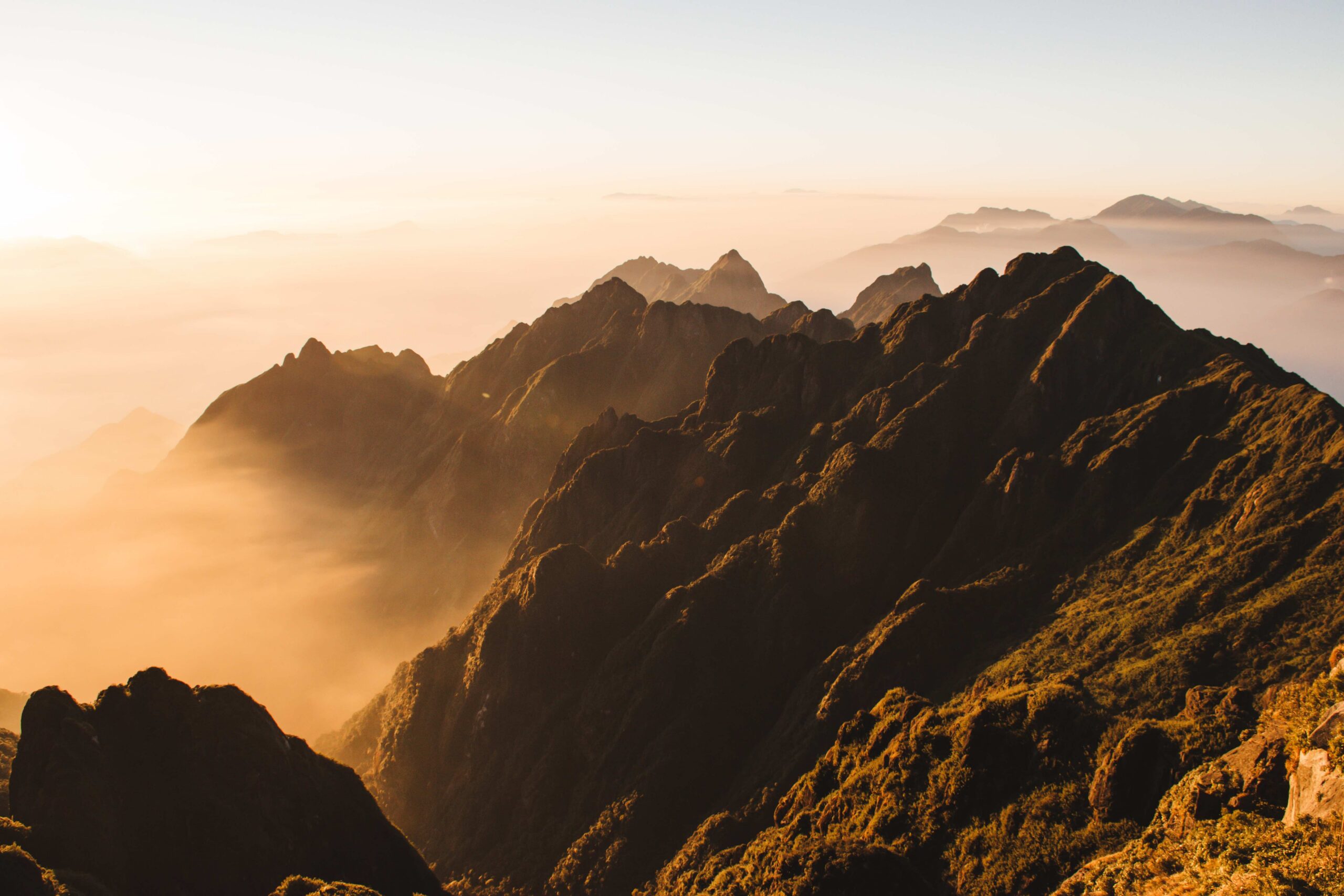
    Language: Khmer is Cambodia’s official language. It is spoken by more than 90% of the population. There are slight regional differences in the dialect, but majority of the locals speak central Khmer, which is by far the most common in the country.

    In recent years, Cambodia has witnessed a significant rise in tourism which has resulted to an increase in the use of English. The locals in small villages may not understand you, but you’ll surely be able to get by using English in the larger towns and cities.

    Currency. The main currency in Cambodia is the riel, followed by the US dollar, which is widely accepted. Businesses usually quote prices in riel or US dollars, but in towns and cities bordering Thailand, the Thai baht is sometimes used.

    ATM machines are available, including in all major tourist hubs. You will be given the option of withdrawing in either riel or US dollars and single withdrawals of up to $500 are possible as long as your account can handle the transaction. Most of the hotels and restaurants in big cities accept credit card payments.

    Electricity Socket: The standard voltage is 230V and the frequency is 50 Hz. Power outlets are two-prong round sockets and they accommodate plugs ****with two flat pins. In order to spare yourself the hassle of buying new adaptors everywhere you go, we suggest investing on a Universal Travel Adaptor before you travel.

    Your electric appliances can be used in Cambodia if the standard voltage in your country is 220 – 240 V, which is the case in Australia, Europe, the United Kingdom and most of Asia and Africa. On the other hand, if the standard voltage in your country is 100 – 127 V, as is in the United States, Canada and most countries in South American, you’ll need to use a voltage converter or a combined power plug adapter/voltage converter.

    When is the Best Time to Visit Cambodia?

    Best time visit Cambodia

    If you are planning to visit Cambodia, it is nice to know that there is no wrong time to travel. The weather is warm all year, but there is a monsoon season that creates two climate conditions, rainy and dry. The best time of the year to visit Cambodia will depend on what you want to do during your stay and if you want to avoid the rainy season.

    Between November and April, Cambodia sees very little rain so it is perfect if you wish to enjoy a relaxing trip to the southern coast. Outside this period, humidity rises and the rains come. However, you must not be discouraged from traveling because the temples are tranquil, the rivers are free-flowing, and the countryside is lush and green. This is the ideal time to visit the outer-lying temples because they are no longer crowded.

    When summer ends, The Tonle Sap comes to life. This is one of Cambodia’s true natural wonders and the biggest freshwater lake in Southeast Asia.

    November is popular with tourists because the average temperature is around 25°C. It’s the perfect time to visit if you intend to wander around the temples, monuments, and markets. December and January are also busy months because they are dry and ideal for visiting the southern islands. Temperatures start to rise in March and April and they can be very humid for sightseeing. However, the festivities for the Khmer New Year take place in April. It is one of the most important festivals in Cambodia that coincides with the end of the harvest season.

    What to Pack When Travelling to Cambodia

    Regardless of when you plan to travel to Cambodia, it’s going to be warm and humid. Pack several lightweight, light-colored clothing to reflect the sun. The country’s tropical climate means it’s pretty hot and humidity is high all year round. However, it can get cool at night, particularly during the winter months, so it’s advisable to bring along a sweater. While ponchos are available in most places, you’ll be better off a rain jacket, especially if you’ll be traveling during the wet season.

    Other things to bring include a sturdy travel water bottle, an RFID travel wallet, an unlocked mobile phone, a pair of comfortable travel sandals, and a sand proof beach blanket if you’ll be visiting any of the islands. You will also need a sun hat and a powerful sunscreen especially when strolling around Angkor Wat. Key cities like Phnom Penh and Siem Reap will have most of the amenities that you’ll need, so there’s no cause for concern if you forget to pack something. You will be able to find all the essential items there.

    Key Towns and Cities

    Phnom Penh. Formerly known as Krong Chaktomuk Serimongkul or the “The City of the Brahma’s Faces”, this is the bustling capital and the most densely populated city in Cambodia. Once dubbed as the “Pearl of Asia,” it was regarded as one of the most glamorous French-built cities in Indochina. It exudes provincial charm and serenity with French colonial chateaus and tree-lined boulevards set in the midst of enchanting Angkorian architecture. Phnom Penh offers a plethora of fascinating touristy sites. Aside from the Royal Palace, the National Museum, the Silver Pagoda, the Choeng Ek Killing Fields, the Toul Sleng Genocide Museum, and Wat Phnom, there’s a menagerie of market places selling antiques, carvings, paintings, silver, silk, and even precious gems. Phnom Penh also serves as the portal to an exotic land – the world’s biggest religious complex, the majestic temples of Angkor in the west, the ethnic minorities of the northeastern provinces, and the pristine beaches of the southern coast.

    Phnom Penh

    Siem Reap. This is a popular resort city and a portal to the Angkor region. It features colonial and Chinese-style architecture around the Old Market and in the Old French Quarter. There are museums, silk farms, souvenir and handicraft shops, traditional Apsara dance performances, fishing villages, rice paddies in the countryside, a bird sanctuary, and a cosmopolitan dining and drinking scene.

    As a world-renowned tourist destination, Siem Reap has plenty of hotels, resorts, cafes, restaurants, and businesses that are closely linked to tourism. This is largely due to the city’s close proximity to the Angkor temples, the most sought after tourist attraction in the region. It is said that more than a million travelers pass through Siem Reap each year, making it Cambodia’s second fastest growing city, next to the capital Phnom Penh. This is no surprise as Seam Reap has reinvented itself from merely a temple-dominated area to one that boasts hip hotels, great shopping, tours that suit adventurers, a rich cultural scene, and world-class dining across a range of cuisines.

    Cambodia Siem Reap Angkor Wat 4

    Battambang. Also known as or Krong ,Battambang, this is a city located along the banks of the Sangkae River in northwest Cambodia. It’s a popular tourist destination because of its ancient temples, colonial buildings, and the infamous bamboo railway. Tourists love it here because of its eclectic mix of modern city, small-town hospitality and well-preserved colonial architecture, which blends seamlessly together to give Battambang its unique charm.

    Banlung. Located in the northeastern section of Cambodia, this is the capital city of Ratanakiri Province. Its central Phsar Banlung market has baskets, carvings, and jewelry made by local tribes. On the nearby Phnom Svay hill is the Eisan Ratanaram Pagoda which overlooks the city and is famous for its huge reclining Buddha. To the east is Banlung’s most popular landmark, the Yeak Lom Volcanic Lake which is home to several species of parrots and other exotic birds. It is therefore perfect for bird watching and enjoying the picturesque views of the surrounding area.

    img 20150109 224236 2

    Kratie. This supremely mellow city sits on the banks of the mighty Mekong River. Red flowered trees thrive along the riverbank and there are massive islands with powdery white sand beaches within the Mekong itself. The section of the river north of Kratie is home to an endangered group of Irrawaddy dolphins – the city’s top tourist attraction. You’ll also find a rich heritage of French-era architecture, as the buildings were spared during the wartime bombing that flattened other provincial centers in the country.

    Kampot. This laid back city is located on the languid Preaek Tuek Chhu River in southern Cambodia. It’s not difficult to understand why tourists become entranced with this riverside city. Its streets are lined with dilapidated shophouse architecture which conveys a dreamy ambiance; as if the entire city was frozen back in time with little or almost nothing changed for decades. Many structures date back to the colonial era, including the Governor’s Mansion which has been converted into a museum. Kampot has lots to offer, whether you’re into art, outdoor adventure, or you love sampling the food as you tour Cambodia’s best destinations, this amazing city has something for you.

    Kampot river

    Sihanoukville. Also known as Kampong Som, this is a coastal city and the capital of a southwestern province with the same name. It is flanked by a string of beaches along its entire coastline bordering the Ream National Park in the east. The many white-sand beaches and nearby castaway islands make Sihanoukville the top seaside resort in Cambodia, with steadily rising numbers of domestic and foreign visitors since the late-20th century. The most notable beaches include Victory, Serendipity, Independence, Sokha and Otres. The good thing about these is that they are comparable to their counterparts in neighboring Thailand. Nowadays, Sihanoukville is dominated by Chinese tourists so travelers from other countries opt to use it only as a stopover for connecting to the equally beautiful beaches in Koh Rong Island.

    Koh Rong Island. This is the biggest and fastest-developing island in Cambodia. Situated close to the coast of Sihanoukville, this idyllic island is famous for its stunning natural sights and exciting man-made facilities. Travelers often describe it as an ‘island paradise’ because of its sugary white sandy beaches, warm crystal-clear waters, and a pleasantly warm tropical climate.

    Sihanoukville

    Many people visit Koh Rong for the awesome beach experience alone, but there are many spectacular locations on the island including the Royal Sand Koh Rong and the Sok San Beach Resort. The pristine beaches create a vibrant party ambiance, with lots of chic hotels, bars, and night clubs. This is definitely a vital stop on any Cambodia itinerary.

    Top Cambodia Attractions

    Travel Guideline Cambodia 2

    Angkor Wat. This Hindu temple complex is the biggest religious monument in the world, covering 162.6 hectares. It was built in the early 12th century by Khmer King Suryavarman II in Yaśodharapura, the second capital of the Khmer Empire. It is the best-preserved temple at the entire complex, with the bas reliefs, intricate carvings, baths, corridors, towers, libraries, and moats withstanding the test of time. In 1992, the Angkor Archaeological Park was bestowed the title of World Heritage site as it serves home to the ancient capitals of the Khmer Empire and houses some of the ancient world’s most remarkable architectural and artistic accomplishments. Angkor Wat has become a symbol of Cambodia and the country’s top attraction for visitors.

    Bayon (Angkor Thom). This was the last capital city of the Khmer Empire and was founded in the late 12th century by King Jayavarman VII. A common mistake made by visitors to Cambodia is that Angkor Thom is just ‘another temple’. It’s actually an entire city covering 10 square kilometers. At the center is Jayavarman’s state temple known as the Bayon which can be distinguished by the dozens of serene and smiling stone faces on towers that jut out from the upper terrace. To the northern section of the ancient city are the other major sites that surround the Victory Square.

    Ta Prohm (Temples of Angkor). Originally called Rajavihara, this temple in Siem Reap Province was constructed in the Bayon style during the late 12th and early 13th centuries. Khmer King Jayavarman VII ordered the construction of the entire complex as a Mahayana Buddhist monastery and university. It rose to fame when it was used as one of the locations for Angelina Jolie’s film Tomb Raider. One of the most popular spots in Ta Prohm is the so-called ‘Tomb Raider tree’, where Angelina picked a jasmine flower. One of the main reasons why it was chosen as a filming location is that unlike other Angkorian temples, Ta Prohm managed to retain much of its original features – the photogenic combination of trees sprouting out of the ruins and the vibrant jungle surroundings. In 1992, UNESCO inscribed Ta Prohm on the World Heritage List.

    Angkor Temple

    Banteay Srei. This 10th century Hindu temple goes by many nicknames including ‘the Lady Temple’, ‘the Pink Temple’, and ‘the Tiny Temple’. The name Banteay Srei is actually a modern one which means ‘citadel of beauty’ or ‘citadel of the women’. Regarded by many as the jewel in the crown of Angkorian art, Banteay Srei was constructed mostly from red sandstone, a medium featured in the intricate decorative wall carvings which are still visible today. The structures at the site are miniature in scale, which is quite unusual when measured by the standards of Angkorian construction. These factors made Bantay Srei extremely popular with travelers from across the globe.

    Beng Mealea. A stunning sight to behold, this is one of the most peculiar temples at Angkor, as nature has literally run riot. Located 68km northeast of Siem Reap and constructed to the same layout as Angkor Wat, Beng Mealea is the ultimate ‘Indiana Jones’ experience. It is enclosed by an enormous moat covering an area of 1.2km by 900m.

    Visitors entering from the south wend their way over heaps of sandstone blocks, through dark chambers and lots of hanging vines. The temple’s central tower has totally collapsed, but tucked among the foliage and rubble are impressive carvings and a well-preserved library. Beng Mealea is certainly a special place and it’s worth the time and effort to tour it thoroughly. Allow a half-day to visit, including the travel time from Siem Reap.

    Prasat Preah Vihear. This is an ancient Hindu Temple that sits atop Poy Tadi, a 525-meter cliff in the Dangrek Mountains. Built during the reign of the Khmer Empire, the temple is dedicated to the great god Shiva. It consists of sanctuaries connected by a network of pavements and stairwells over an 800 meter long axis. The complex dates back to the first half of the 11th century, but its history can be traced to the 9th century. The site is quite remote so it has been well preserved. It stands out because of the quality of its architecture and the remarkable quality of its carved stone ornamentation. In July 8, 2008 the World Heritage Committee listed Prasat Preah Vihear as a UNESCO World Heritage Site.

    Angkor Thom

    Top 10 Things to Do in Cambodia

    1. Angkor Wat – Stroll along the world’s largest temple
    2. Ta Prohm – Traverse the temple of ‘Tomb Raider’
    3. Apsara Dance – Witness the Khmer performance
    4. Biking – Wander across Siem Reap on a bike
    5. Cruising – Spot the Irrawaddy river dolphins and enjoy the sunset
    6. Cuisine – Indulge on fresh seafood and Amok
    7. Beaching – Chill out and relax at the laid-back beaches
    8. National Parks – Engage with the wild
    9. Kampot River Excursion – Go for a swim or hop on a kayak
    10. Shopping – Grab unique souvenirs from the local markets

    Finding the Best Hotel Accommodation in Cambodia

    There are a variety of options for accommodation in Cambodia, including everything from basic guesthouses to top notch international and boutique hotels. In major cities like Phnom Penh, Battambang, and Siem Reap you’ll be able to find the best of luxury international chains.

    Average Hotel Ranking

    Cambodia has lured more global hotel chains in the past few years and mid-range to luxury accommodation is thriving. In the major cities, luxury accommodation is frequently the best option for travelers who wish to experience the local culture along with the comfort and convenience that luxury hotels provide.

    Mid-range hotels usually go for $60-90 a night and are stylishly furnished. Most of them include breakfast and airport transfers for free. Luxury accommodation normally costs $120 or more a night. Options range from boutique hotels to international 5-star hotels and all-inclusive resorts. Because competition in the accommodation market is so high, travelers are likely to find prices that are lower than in many other Asian countries.

    Hotel Styles and Service Features

    Most of the mid-range and luxury hotels are embellished in enchanting Khmer style to enrich travelers’ experience. Particularly in Siem Reap, where the economy is anchored around tourism, the hotels are chic with lots of pomp and grandeur. In Phnom Penh, most of the hotels are business-based and therefore more subtle, while the beautiful boutique hotels are mostly located near the Royal Palace.

    In general, the hotels are known for delivering exceptional services. Check-in time is quite flexible, from noon to late in the evening, while check-out is often on or before 2 pm. The rooms are spacious with 3- and 4-star hotels offering floor areas of 25 to 35 square meters. 5-star hotels usually offer bigger and more open rooms.

    Bear in mind that when choosing accommodation, you must consider the location, amenities, length of stay, and possible deals. To help you out, kindly check this post about hotels in Cambodia.

    skyline boutique

    Getting Into and Around Cambodia

    Getting to and around Cambodia is all part of an awesome adventure. Note that there is no direct flight from Europe, Australasia, North America, and South Africa, so you’ll need a connecting flight from elsewhere in Southeast or East Asia. You’ll arrive either at Phnom Penh (PHN) or Siem Reap (REP) International Airports.

    You can also enter Cambodia from neighboring nations through its land borders with Thailand, Laos and Vietnam. For instance, you can cross into Cambodia via the Vinh Xuong/Kaam Samnor border crossing located northwest of Chau Doc in An Giang Province, Vietnam. There are several companies in Chau Doc selling boat trips and cruise packages from Chau Doc to Phnom Penh via the Vinh Xuong border. Alternatively, you may get into Cambodia via speedboat from Song Tien Port.

    The best ways to explore Cambodia are by plane and private car. Booking a flight between cities is a cost-effective and popular option among travelers, while hiring private cars offer the most convenient and comfortable means of transportation. Other options like buses, taxis, motorbikes, and bicycles are available, but they are often inconvenient and time-consuming.

    Domestic Flights

    One flight is all you need to be able to visit the major tourist destinations, including Battambang, Phnom Penh and Siem Reap. The flight typically takes 1 hour. Basaka Air offers at least one flight daily between Phnom Penh and Siem Reap, and Siem Reap and Sihanoukville. The three operational airports in the country are well connected and the flights are very cheap. Airlines come and go, with newer ones cashing in on the booming tourism market.

    Angkor Air

    Private Cars

    Renting is the most convenient and flexible way for travelers to visit Phnom Penh and Siem Reap. Both are warm almost all year round, with the annual average temperature of around 84ºF (29ºC) in Phnom Penh and about 86ºF (30ºC) in Siem Reap. The weather therefore makes it a near-necessity for visitors to travel in an air-conditioned car.

    Your guide speaks English and knows which attractions you need to see. You can spend as much time as you want at any given destination, and you’ll have the opportunity to explore the different attractions at your own pace. All these make traveling by private car the best option when in Phnom Penh, Siem Reap, and other major cities. All you need to do is sit back, relax, and let your driver/guide take care of everything for you!

    private car

    TIP: If you wish to experience Cambodia’s public transport system, take a bus from Giant Ibis, a popular company serving the Saigon-Phnom Penh-Siem Reap and Bangkok to Siem Reap routes. They offer complimentary pickup service for passengers staying at partner hotels and guesthouses. The company is considered the best bus operator in Cambodia and according to the Ministry of Public Works and Transportation, it has the safest record of any passenger transport company in the country.

    Cambodia by Train

    The colonial-era railway system of Cambodia was severely damaged during the Khmer Rouge period but is currently being gradually restored and reopened. In 2016, the line between the capital Phnom Penh and Sihanoukville reopened, with stops at Kampot and Takeo. Trains now run once a day from Phnom Penh to Sihanoukville every Friday, Saturday and Sunday, and twice in the opposite direction every Saturday and Sunday. The full route takes approximately seven hours and costs $7.

    The second section of the railway system, between Phnom Penh and Poipet, is undergoing renovation. The reopening of the entire line that passes through Battambang, Phnom Penh, and beyond, plus the dream of a railway connecting Bangkok, Ho Chi Minh City, and Phnom Penh, is most likely years from completion. In the meantime, if you wish to ride the trains in this part of Cambodia, you may take a trip on the bamboo railway in Battambang.

    railway

    Cambodia by Boat

    For years, the underdeveloped roads in Cambodia meant that traveling by boat was the primary means of getting between Phnom Penh and Siem Reap. Fortunately, it has now become faster and easier to travel by road. Even so, boats carrying 30 passengers still sail daily between Phnom Penh and Siem Reap. The trip end at Phnom Krom, a hill located near the dock at Chong Khneas 12 km south of Siem Reap. Travel is best during the wet season, which runs from June-November. Boats also operate daily along the Mekong between Phnom Penh and Chau Doc in Vietnam. From Sihanoukville, ferries and speedboats depart to Koh Rong several times a day.

    sailing boat

    What to Eat in Cambodia

    The food may not be as popular as those in neighboring Thailand or Vietnam, but it is a unique cuisine packed with vibrant flavors and is definitely a must-try when you’re in the country. Cambodia is a superb destination for food lovers who wish to enjoy a culinary adventure. Let’s take a quick look at the country’s must-try dishes that will surely get your taste buds tingling!

    Fish Amok. This is one of the most popular dishes in Cambodia. In fact it is considered as the country’s signature dish and can easily be found on menus in most tourist hubs. Diced fish fillets are smothered in coconut milk, eggs, and palm sugar. To achieve layers of flavor, a paste called Kroeung is added. It is prepared by pounding spices and other ingredients like kaffir lime, lemongrass, turmeric root, and shallots. The traditional way of cooking fish amok is by steaming it in a banana leaf that’s shaped into a bowl.

    fish amok

    Bai Sach Chrouk (rice and pork). This is a simple dish that will certainly satisfy even the most discriminating taste buds. Thinly sliced sweet pork is grilled and marinated in coconut and garlic, then served over warm rice with a side of radishes, pickled cucumbers and broth. This dish is commonly prepared for breakfast and can be found everywhere, from the streets to first-rate restaurants. The beef is tender and really flavorful because of the coconut milk.

    Nom Banh Chok. While noodle soup is a good lunch or dinner meal in other countries, it’s actually more popular for breakfast in Cambodia. The dish consists of rice noodles topped with a green fish curry sauce with lots of bean sprouts, shredded banana leaves/flowers, cucumbers, mint, basil and a wide variety of green vegetables. Although it looks strange, this dish is flavorful and is one of the must-try food while in Cambodia.

    banh nam chok
    lok lak

    Lap Khmer (Lime-marinated beef salad). Similar to ceviche, this dish features thin slices of beef marinated in lime juice and with plenty of basil, mint, garlic, bell pepper, shallots, and fish sauce. Sometimes the beef is lightly singed first then topped with lots of chilies. This is certainly not a dish for people with sensitive palates. Because of the spices, it almost always comes with a kick!

    Lok Lak. This Southeast Asian treat traces its roots in Vietnam, but when it reached Cambodia, it became so popular. This emblematic dish features juicy stir-fried beef served in colossal portions and topped with a salad of lettuce, tomato, cucumber, and onion. It is usually accompanied by rice, fried egg, and a traditional peppery lime dip on the side. Lok Lak is one of the staple dishes in Cambodia and is quite popular among Westerners.